Why Certain Chicago Neighborhoods Experience Higher Resident Retention
The concept of residential mobility is a defining characteristic of Chicago’s dynamic urban landscape, where thousands of residents relocate annually to find new opportunities. However, this movement is not uniform across the city, as certain neighborhoods exhibit remarkably high rates of resident retention and community stability. Ken Coffey, the visionary leader behind Coffey Bros Moving, has observed these shifting patterns firsthand, noting how local community stability directly influences regional relocation trends.
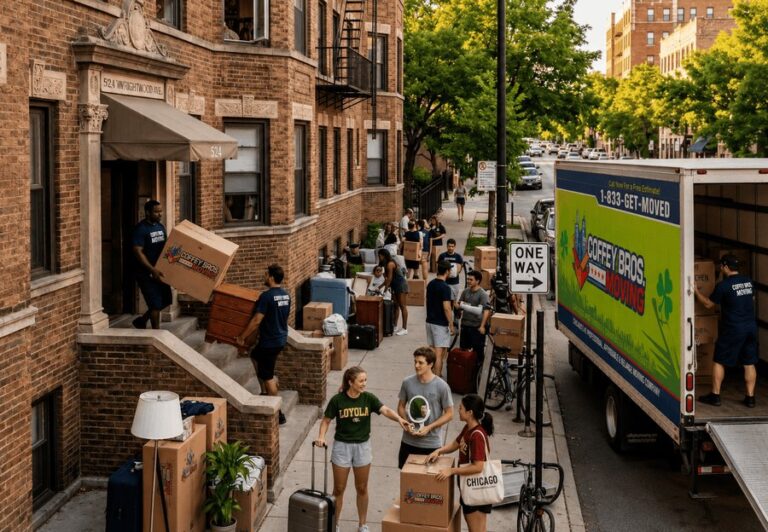
In high-density areas like River North, the Gold Coast, and the Loop, the moving landscape is often characterized by rapid lease turnover and highly transient populations. Residents in these bustling downtown sectors frequently relocate due to changing employment opportunities, lifestyle shifts, or rent adjustments, which presents unique logistical challenges for professional moving companies operating in highly congested high-rise environments.
According to recent demographic data from the U.S. Census Bureau, urban density and renter occupancy rates in major metropolitan areas like Chicago strongly correlate with higher annual mobility rates, particularly among young professional demographics under the age of thirty-five who frequently transition between rental properties.
“When we operate in highly transient neighborhoods, we must adapt to fast-paced timelines and strict building regulations,” says Ken Coffey, founder of Coffey Bros Moving. “Clients in these areas often face tight moving windows and complex elevator reservation policies, which requires our professional team to execute every relocation with absolute precision and efficiency to avoid costly delays and disruptions for the building residents.”
Navigating the logistics of urban relocations requires a deep understanding of city infrastructure, from narrow alleyways to restrictive parking regulations. Moving into or out of multi-story apartment buildings demands specialized equipment, proper loading dock coordination, and experienced personnel who can safely transport heavy furniture through tight stairwells and passenger elevators without causing property damage or violating local municipal ordinances.
Data from the Chicago Metropolitan Agency for Planning indicates that transit-rich corridors and neighborhoods with robust public transportation access experience significantly lower household turnover rates, as residents prioritize ease of commuting and regional connectivity over other housing factors when choosing where to live.
“Successful urban moving relies heavily on proactive planning and seamless coordination with building management,” explains Ken Coffey. “By securing parking permits early and understanding the specific physical constraints of each building, we can eliminate the typical stressors that our clients face during what is already a highly demanding transition in their lives, ensuring a smooth and highly organized relocation experience.”
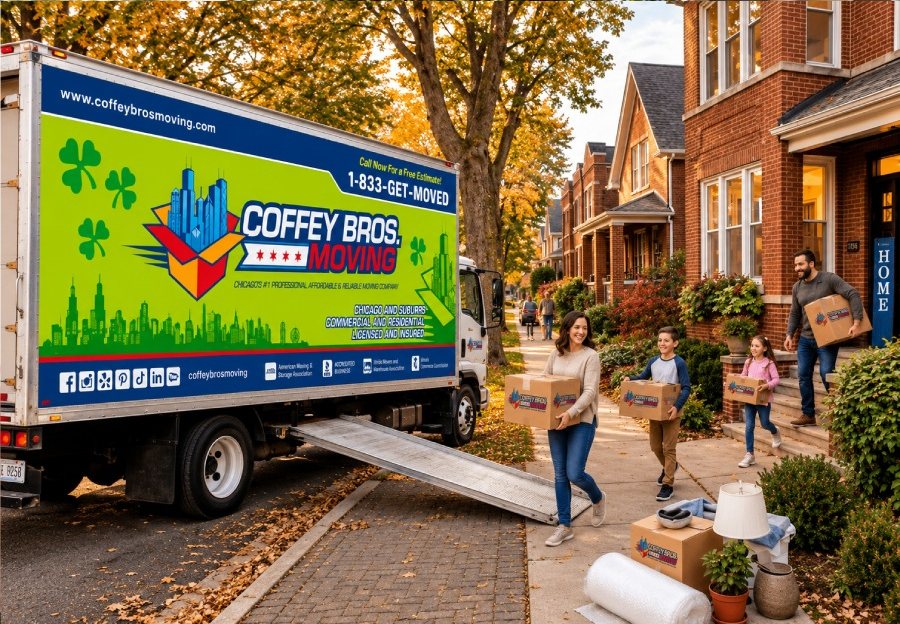
In contrast to the rapid turnover of downtown neighborhoods, suburban areas and established communities like Naperville, Evanston, and Oak Park tell a very different story. These regions are characterized by long-term resident retention, where families establish deep roots, send their children to local schools, and remain in their single-family homes for decades before considering a relocation to a new area.
The National Association of Realtors reports that the average home seller has occupied their primary residence for approximately ten years, a statistic that highlights the enduring stability found in established residential neighborhoods and family-oriented suburban markets across the country, which directly impacts local moving frequency.
For consumers planning a move within these high-retention areas, preparation is key to a successful transition. Homeowners should begin sorting through accumulated belongings months in advance, utilizing professional packing services to safeguard fragile family heirlooms, and choosing a moving company that offers comprehensive storage solutions for items that may not fit into their new living space immediately.
A study by the Metropolitan Planning Council reveals that Chicago neighborhoods with high walkability scores, strong community infrastructure, and local parks experience a fifteen percent increase in resident retention compared to areas that lack these integrated neighborhood amenities, demonstrating the value of community-focused urban planning.
“Building trust with families who have spent decades in one home is our highest priority,” says Ken Coffey. “These moves are deeply personal and emotional, which is why we focus on delivering exceptional quality, treating every item with the utmost respect, and providing peace of mind during a major life milestone for our valued clients who expect the very best.”
Ultimately, understanding the factors that drive resident retention allows professional moving companies to better serve the diverse needs of Chicagoans. Whether relocating within a high-rise downtown or transitioning to a long-term suburban home, choosing a dedicated moving partner ensures a seamless, stress-free experience that respects the unique character of every neighborhood and preserves community stability for years to come.