How Chicago Universities Influence Local Moving Trends
Chicago is widely recognized as a premier global hub for higher education, drawing hundreds of thousands of ambitious students to its prestigious universities and colleges every year. This massive annual influx does far more than just fill lecture halls; it actively reshapes the local real estate and relocation markets. Ken Coffey, the visionary founder of Coffey Bros Moving, has observed firsthand how these academic cycles dictate the seasonal ebb and flow of moving demands across the entire metropolitan area.
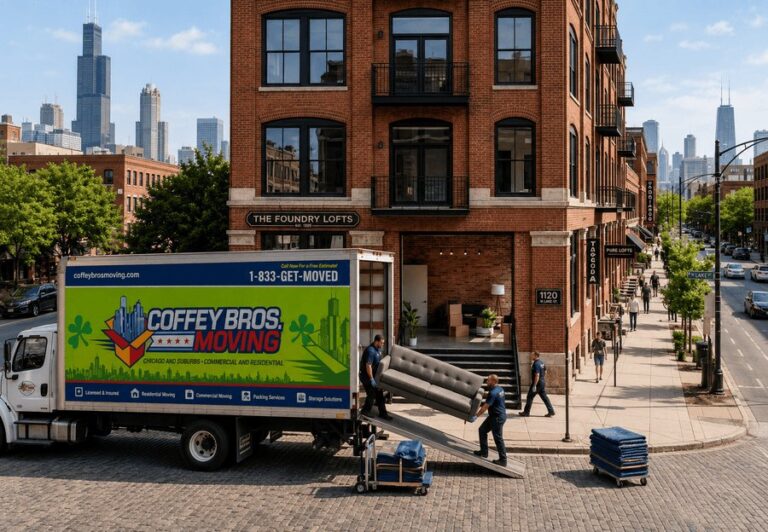
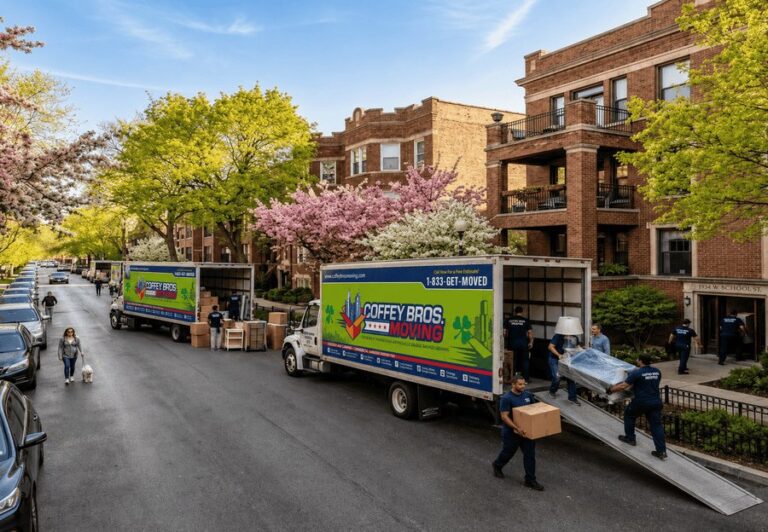
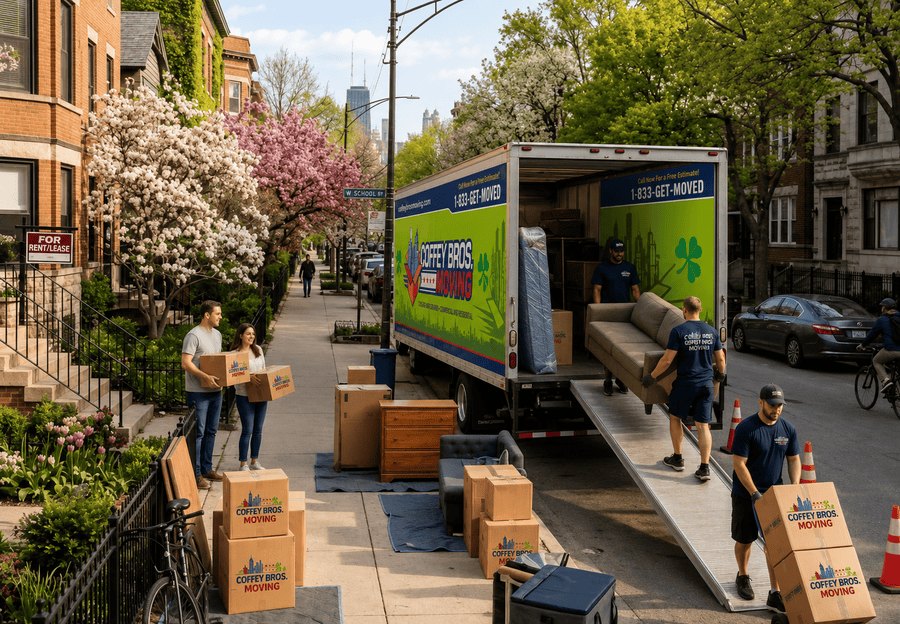
Navigating this collegiate migration presents unique challenges in densely populated urban zones where space is at a premium. In bustling, high-traffic neighborhoods like River North, the Gold Coast, and the Loop, narrow streets and towering high-rise buildings complicate the moving process. The sheer volume of students transitioning in and out of high-density residential complexes requires exceptional logistical precision to avoid gridlock and ensure safety.
According to recent demographic data from the U.S. Census Bureau, the city of Chicago continues to experience significant population density shifts, with young adults aged eighteen to twenty-four making up a substantial portion of inbound domestic migration, particularly during the late summer months when university semesters begin.
“The sheer volume of students moving within a very tight window creates an intense logistical puzzle for everyone involved,” says Ken Coffey, founder of Coffey Bros Moving. “Without a highly structured plan, a simple relocation can quickly devolve into a stressful ordeal, especially when dealing with strict building rules, elevator reservations, and limited street parking.”
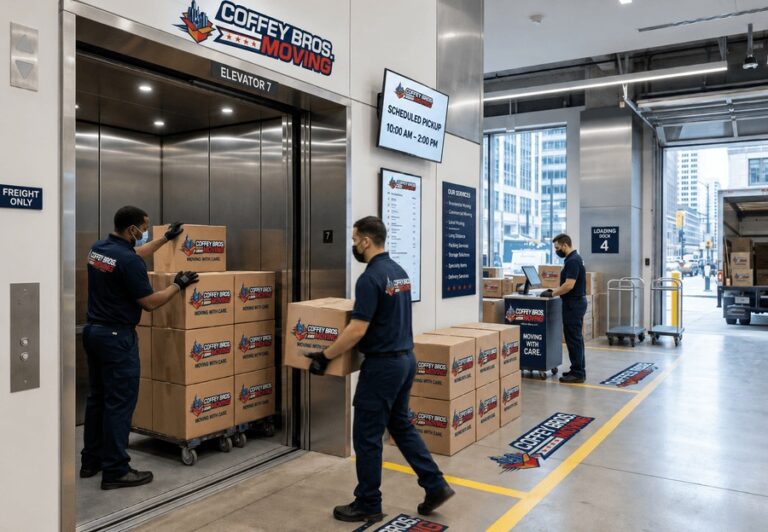
Urban moving requires a deep, practical understanding of municipal regulations and specific building management policies. Many high-rise apartment buildings in the city center enforce strict time slots for elevator usage and require comprehensive liability insurance before any moving truck is allowed to park. Managing these details is critical for a seamless transition, especially when multiple tenants are trying to move simultaneously.
Data published by the Chicago Metropolitan Agency for Planning indicates that regional freight and delivery traffic increases significantly in late August, aligning closely with the academic calendar and putting additional pressure on the city’s transport infrastructure during these peak student relocation weeks.
“We coordinate closely with property managers weeks in advance to secure the necessary permits and elevator reservations,” explains Ken Coffey. “Our experienced team understands that successful urban moving relies on meticulous preparation, which allows us to navigate tight loading docks and busy city streets without causing unnecessary delays for our clients or their new neighbors.”
While the city center experiences intense activity, the surrounding suburban areas also feel the profound impact of university-driven relocation trends. In prominent suburbs like Evanston, Oak Park, and Naperville, the demand for professional moving services rises as families relocate, students seek off-campus housing, and academic professionals settle near local campuses, creating a broader regional demand.
The National Association of Realtors reports that suburban home sales and rental agreements near major educational institutions experience a predictable seasonal surge, with housing inventory turnover peaking during the late spring and summer months to accommodate academic schedules and family transitions.
For consumers planning a move during these busy periods, early preparation is absolutely essential to ensure a smooth transition. Booking a reputable moving company months in advance, decluttering belongings before packing, and clearly labeling boxes can mitigate much of the stress. It is also wise to verify all building requirements, loading dock rules, and parking restrictions well ahead of the scheduled moving day.
A comprehensive study by the Chicago Metropolitan Agency for Planning highlights that neighborhood stability and local business revenues in university districts are heavily influenced by the seasonal return of students, which directly stimulates the local service, retail, and relocation industries throughout the region.
“Building trust with our clients during such a hectic transition is our top priority at Coffey Bros Moving,” says Ken Coffey. “We treat every single item with the utmost care and maintain open, honest communication throughout the entire process, ensuring that students and families feel supported and confident as they begin their next academic chapter.”
In conclusion, the powerful influence of Chicago’s universities on local moving trends requires a sophisticated, highly organized approach to relocation. By understanding the unique rhythms of the academic calendar and the complexities of urban logistics, professional movers ensure a seamless, stress-free experience, allowing the next generation of leaders to focus on their education and growth.