Neighborhoods With Distinct Identity and History
Each West Side neighborhood carries its own personality and story. Austin is widely recognized for its historic housing stock, including one of the largest concentrations of greystone homes in the city. Strong block clubs and community groups play an active role in maintaining safety and neighborhood engagement. East and West Garfield Park feature wide boulevards and landmark buildings, along with close access to the Garfield Park Conservatory, which welcomes more than 300,000 visitors annually and serves as one of the largest indoor botanical spaces in the country.
North Lawndale holds major historical significance tied to civil rights leadership and continues to invest in cultural, educational, and arts driven development. South Lawndale, often referred to as Little Village, is one of the city’s most active commercial districts. Its main shopping corridor supports thousands of businesses and generates substantial retail activity each year, making it a major economic engine. Humboldt Park stands out as a cultural and creative hub, known for its expansive green space, lagoon, and year round community events. Portions of West Town blend historic industrial buildings with newer residential development, dining destinations, and creative studios.
Housing Variety and Long Term Value
Housing across the West Side offers a wide range of options. Two flat and three flat buildings are common and provide flexibility for homeowners, investors, and multi generational living. Single family homes, townhomes, and condominiums add diversity to the housing landscape. Many properties feature architectural details and larger lots that appeal to buyers interested in restoration or customization.
City housing data shows that several West Side neighborhoods remain more affordable than many other parts of Chicago, which continues to attract first time buyers and long term residents. Rental housing remains accessible for students, young professionals, and families seeking more space and flexibility. New construction has increased in select areas, adding modern housing while respecting neighborhood scale and character.
Lifestyle, Parks, and Cultural Resources
Residents enjoy access to large parks, recreation centers, libraries, and cultural institutions. The Garfield Park Conservatory alone houses thousands of plant species and serves as a major educational resource. Humboldt Park’s lagoon and walking paths offer outdoor activities year round. Douglas Park supports sports programs and community events, while the United Center anchors major entertainment and sporting events that bring economic activity to surrounding areas.
Transportation and Connectivity
The West Side offers strong access to parks, recreation centers, libraries, and cultural institutions. Humboldt Park and Douglas Park provide walking paths, athletic fields, and open space that support daily recreation and organized events. The Garfield Park Conservatory houses thousands of plant species and serves as a major educational resource for residents and visitors alike.
The United Center anchors large scale entertainment and professional sports, drawing millions of visitors each year and contributing significantly to local employment and business activity. Smaller venues, galleries, and community centers add to the area’s cultural depth and support local artists and organizations.
Local Services and Moving Support
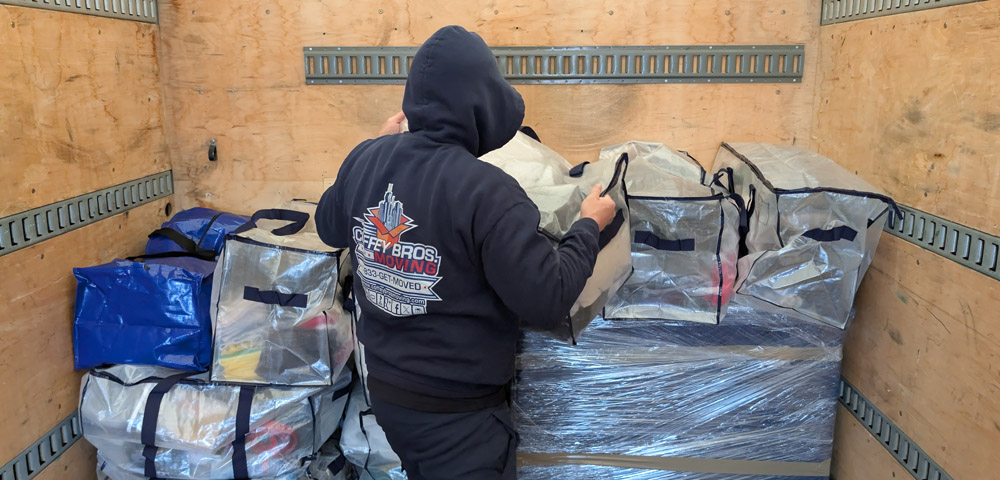
As the West Side continues to grow and change, dependable local services play an important role in supporting residents and businesses. Moving services are especially important in neighborhoods with older buildings, multi unit properties, and limited parking. Coffey Bros Movers provides professional moving services throughout West Side neighborhoods, supporting apartment relocations, multi family moves, historic homes, and commercial spaces.
Industry research from the American Moving and Storage Association shows that professionally packed moves experience fewer damage claims than self managed relocations, largely due to proper materials and load balancing. Data from the US Bureau of Labor Statistics also indicates that overexertion remains one of the leading causes of injury in material handling jobs, underscoring the value of trained crews and proper equipment.