March 1, 2026
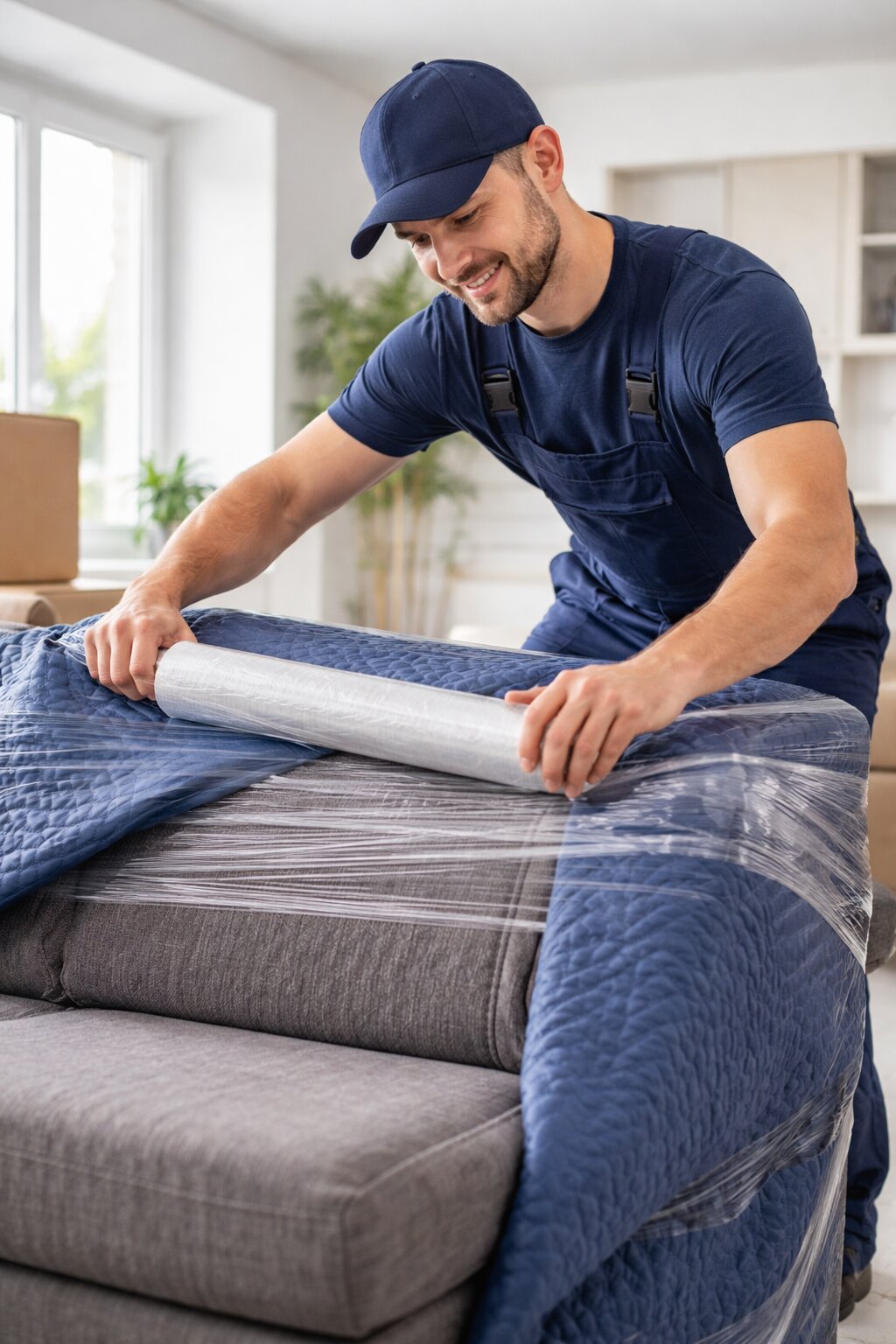
Why movers wrap furniture even during short moves
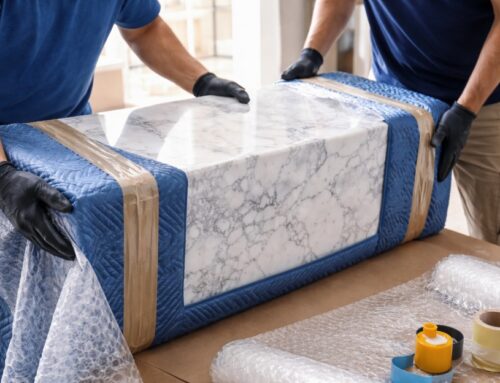
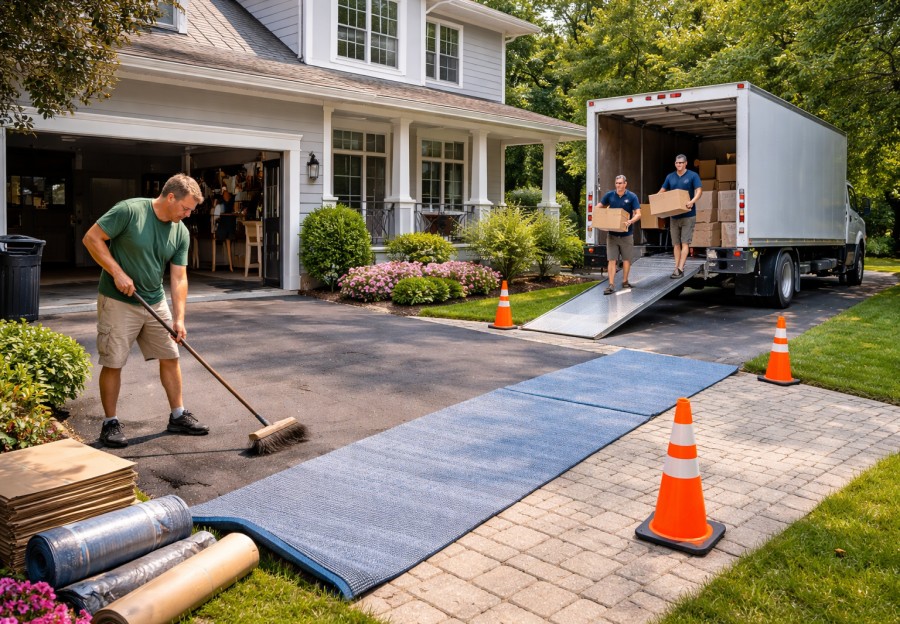
It is a common reaction to look at a move across town and wonder why movers bother wrapping furniture so carefully. The new place is only a few miles away. The truck will be on the road for twenty minutes. Nothing could really happen in that short time, right. In reality, most furniture damage does not come from long highway miles. It comes from lifting, turning corners, loading ramps, vibration, and small impacts that happen before the truck ever reaches cruising speed. Wrapping is not about distance. It is about controlling risk at every step.
Furniture surfaces are more delicate than they look. Finished wood, laminate, leather, fabric, and painted surfaces all scratch, scuff, compress, and stain easily when rubbed or bumped. Flooring and furniture care studies show that fine grit and repeated micro abrasion are leading causes of finish dulling and surface wear. During a move, furniture passes through door frames, stair rails, truck thresholds, and tight hallways dozens of times. Even one light scrape against a metal hinge or rough wall corner can leave a permanent mark.
Damage statistics support this. Insurance data from moving companies consistently shows that a large percentage of claims happen on local moves rather than long distance moves. That surprises many people. Short moves often involve faster pacing, tighter spaces, and more frequent loading and unloading cycles, which increases handling exposure. Every lift, pivot, and set down is a chance for a slip, bump, or friction mark. Wrapping reduces the severity of those small mistakes so they do not become expensive repairs.
Vibration plays a bigger role than most people expect. Even a short drive over city streets exposes furniture to constant low level vibration from pavement joints, potholes, braking, and acceleration. Packaging engineering research shows that continuous vibration causes micro movement between surfaces, which leads to finish wear and joint fatigue over time. This effect does not require hours on the highway. It starts immediately when the truck begins moving. Padding absorbs vibration energy and prevents hard surfaces from rubbing directly against each other.
Temperature and moisture also factor in, even on short trips. Vehicle interior temperature studies show that closed trucks can heat up more than 20 degrees Celsius above outdoor temperature in under an hour in direct sun. Sudden temperature changes create condensation risk, especially when cold furniture enters a warm truck or vice versa. Moisture trapped against wood or fabric increases the risk of staining, warping, and odor. Wrapping provides a buffer layer that reduces direct exposure and slows rapid environmental changes.
Another reason for wrapping is impact protection during tight maneuvers. Hallways, door frames, stair railings, and elevator thresholds create unavoidable pinch points. Occupational safety data shows that contact with objects is one of the leading causes of injury in material handling jobs. The same contact events that can injure people can easily dent or chip furniture. Padding absorbs impact energy and distributes force over a larger area, which reduces visible damage. Physics explains this clearly. Pressure equals force divided by area. Spreading the contact over more surface area lowers the stress on any one point.
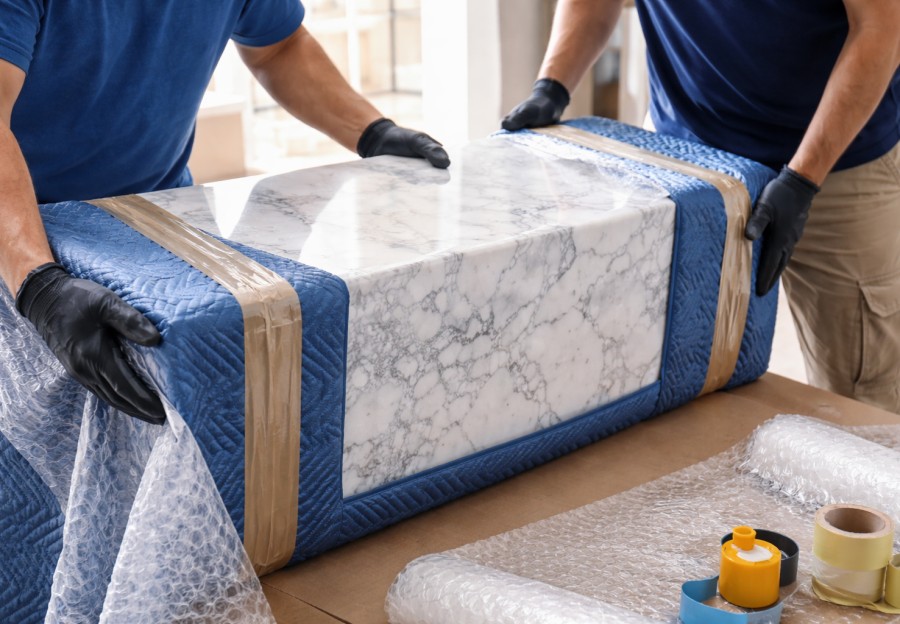
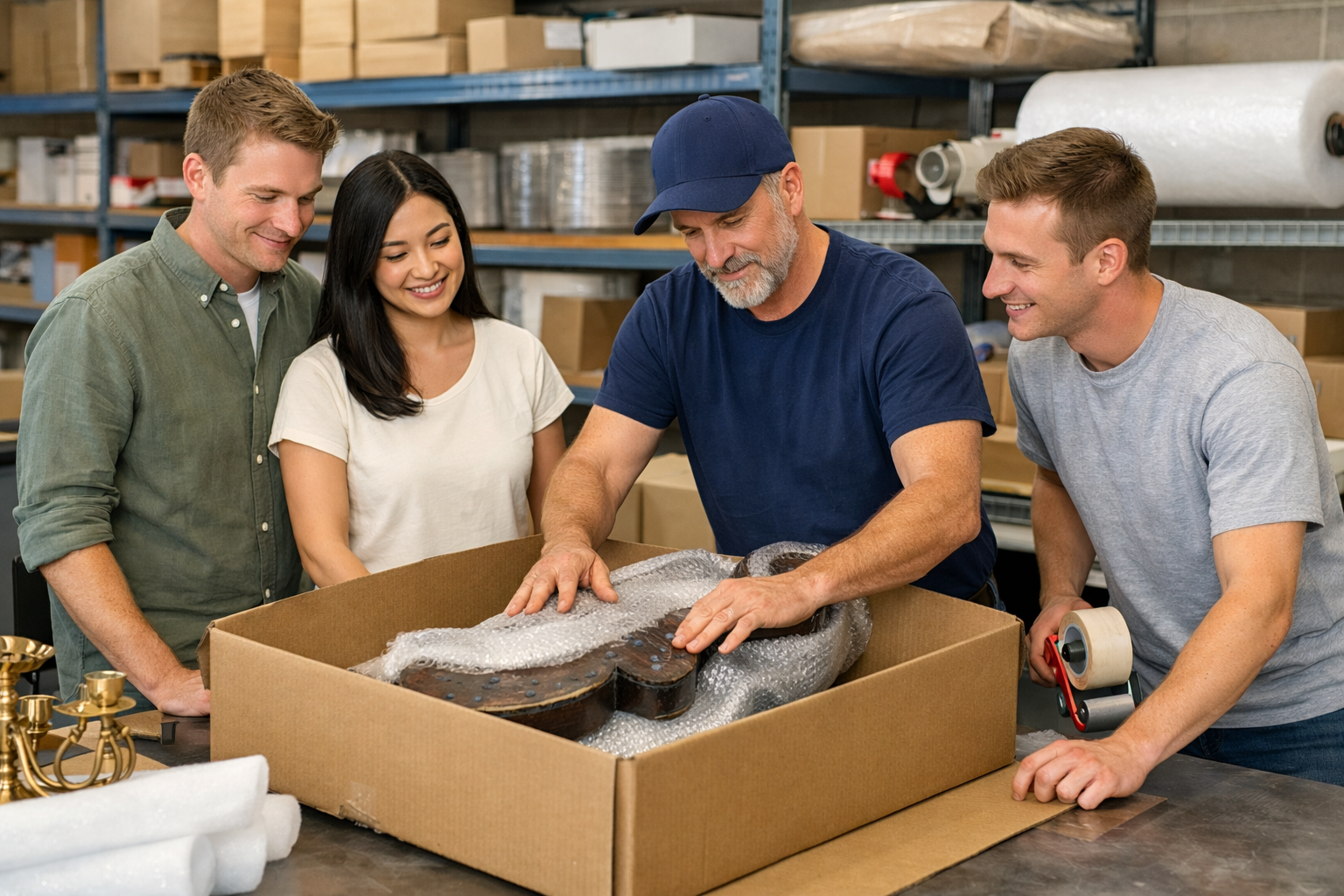
Corners and edges are especially vulnerable. Furniture damage analysis consistently shows that chips and dents occur most often on protruding corners and legs. Wrapping adds sacrificial layers so that if something scrapes a wall or door frame, the blanket takes the abrasion instead of the wood finish or upholstery.
Short moves often involve faster loading and unloading because people assume there is less risk and try to move quickly. Speed increases momentum and reduces reaction time. Human reaction time averages around 200 milliseconds for simple cues, and longer for complex adjustments. When a heavy dresser or sofa is moving, even a small delay in reaction can result in a bump or scrape. Wrapping gives a margin of safety when movements are not perfectly controlled.
There is also a stacking factor inside the truck. Even on short trips, furniture is packed tightly to maximize space and prevent shifting. Hard surfaces pressed directly against each other can transfer pressure and vibration, leading to compression marks, fabric imprints, and finish scuffs. Packaging tests show that padding layers significantly reduce friction damage and pressure transfer between stacked items. This is why movers wrap even when the truck will only travel a few miles.
Insurance and liability considerations influence wrapping practices as well. Basic mover liability coverage often reimburses only a small amount per pound of damaged item, which rarely reflects true replacement or repair cost for quality furniture. Wrapping lowers the likelihood of claims and disputes by preventing damage in the first place. From a risk management standpoint, the small time investment in wrapping protects both the mover and the customer from larger financial consequences.
Another important reason is consistency and habit. Professional movers follow standardized procedures to reduce variability and mistakes. Safety and quality research across many industries shows that consistent processes reduce error rates and improve outcomes. If movers only wrapped on long distance jobs, habits would become inconsistent and risk would rise on short jobs when people become complacent. Treating every move with the same protection standards keeps performance predictable.
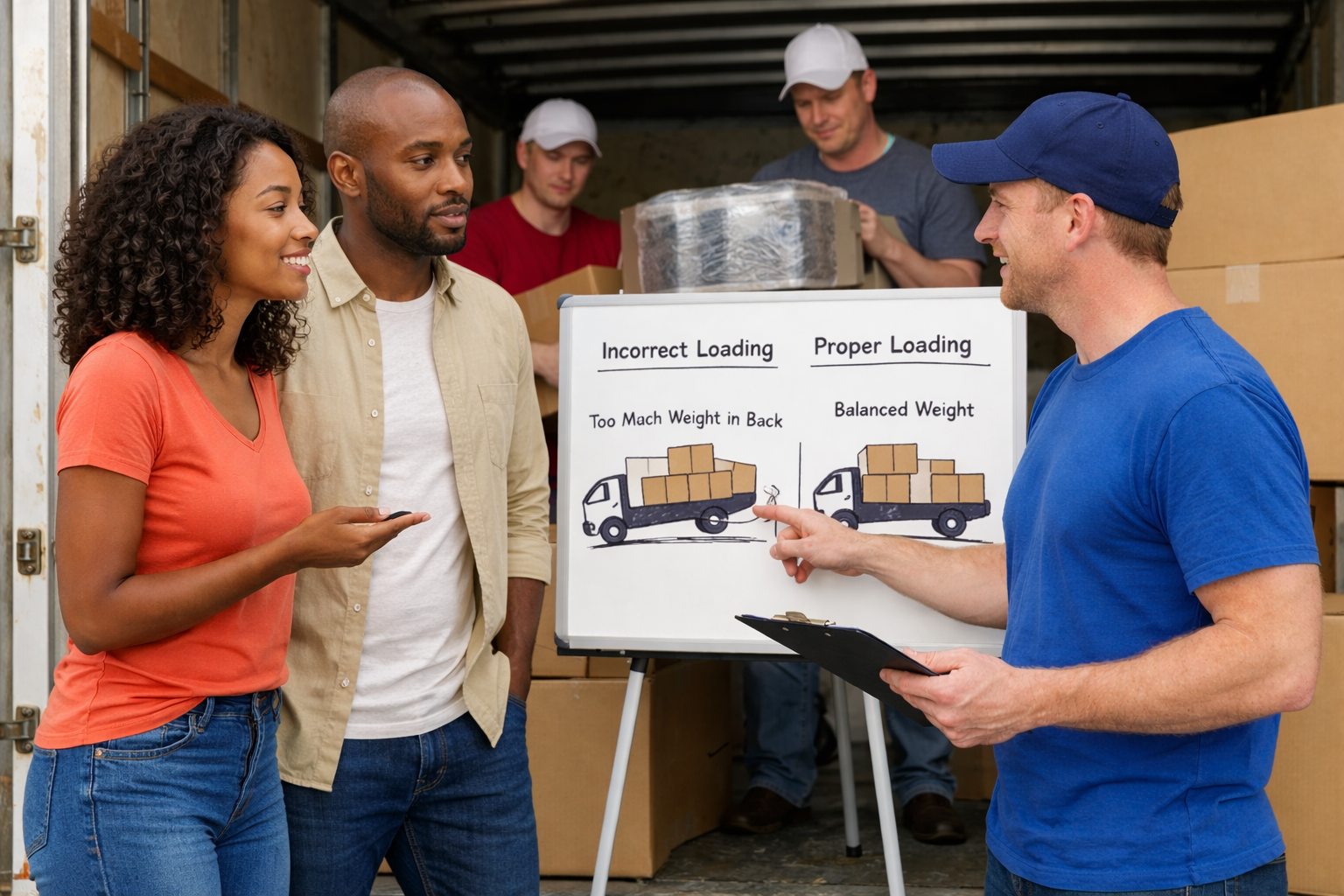
Weight and balance also benefit from wrapping. Blankets add friction between items so loads stay more stable during braking and turns. Transportation safety research links load shift to cargo damage and instability incidents. Even in a short drive, sudden stops at traffic lights or sharp turns can cause unprotected furniture to slide or tip slightly, increasing impact risk. Wrapped surfaces grip each other better and resist movement.
Furniture joints and hardware benefit too. Vibrations and small shocks loosen screws, dowels, and glued joints over time. Wood engineering studies show that repeated micro stress accelerates joint fatigue, especially in older furniture. Wrapping reduces the amount of vibration energy transmitted into the structure, preserving long term integrity.
There is also a cleanliness factor. Moving environments expose furniture to dust, dirt, and moisture from shoes, driveways, and truck floors. The American Cleaning Institute notes that shoe soles carry large amounts of dirt and bacteria that easily transfer to surfaces. Fabric upholstery and wood finishes absorb contaminants quickly. Wrapping keeps surfaces clean and reduces post move cleaning or odor issues.
From a time perspective, wrapping actually saves time overall. While it takes a few minutes upfront, it prevents delays caused by damage inspection, re positioning, or customer concerns later. Operations research shows that preventing rework is more efficient than correcting mistakes after they occur. Fixing a chipped table leg or scratched cabinet takes far more time and cost than wrapping it once.
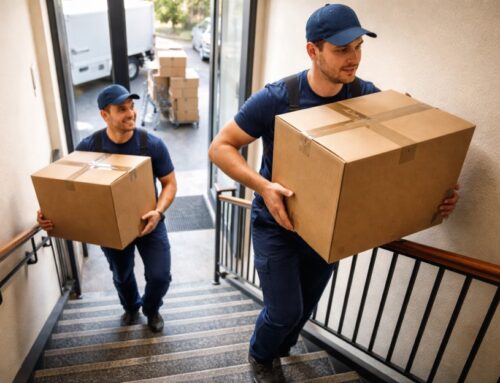
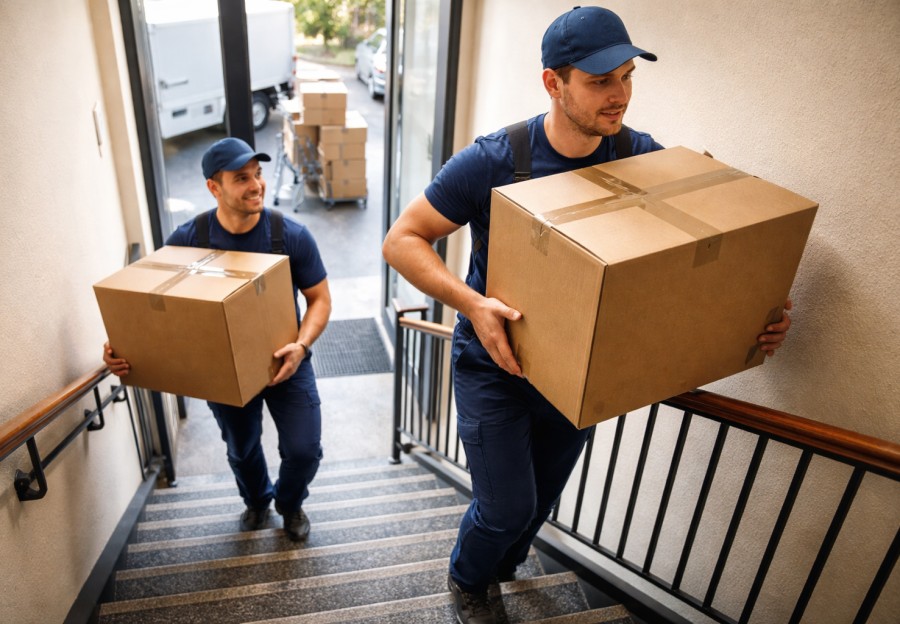
Short moves can also involve more complex building layouts. Urban apartments, narrow staircases, tight parking access, and crowded hallways increase handling difficulty. Data from building management and safety studies show that constrained spaces increase collision and handling errors. Wrapping acts as a buffer in these high risk environments.
There is a human comfort element as well. Movers can grip wrapped furniture more confidently without worrying about slipping on polished surfaces or damaging upholstery with belt buckles or tools. Better grip reduces drop risk and muscle strain. The Bureau of Labor Statistics reports that overexertion injuries are common in material handling jobs, and secure handling reduces sudden load shifts that cause strain.
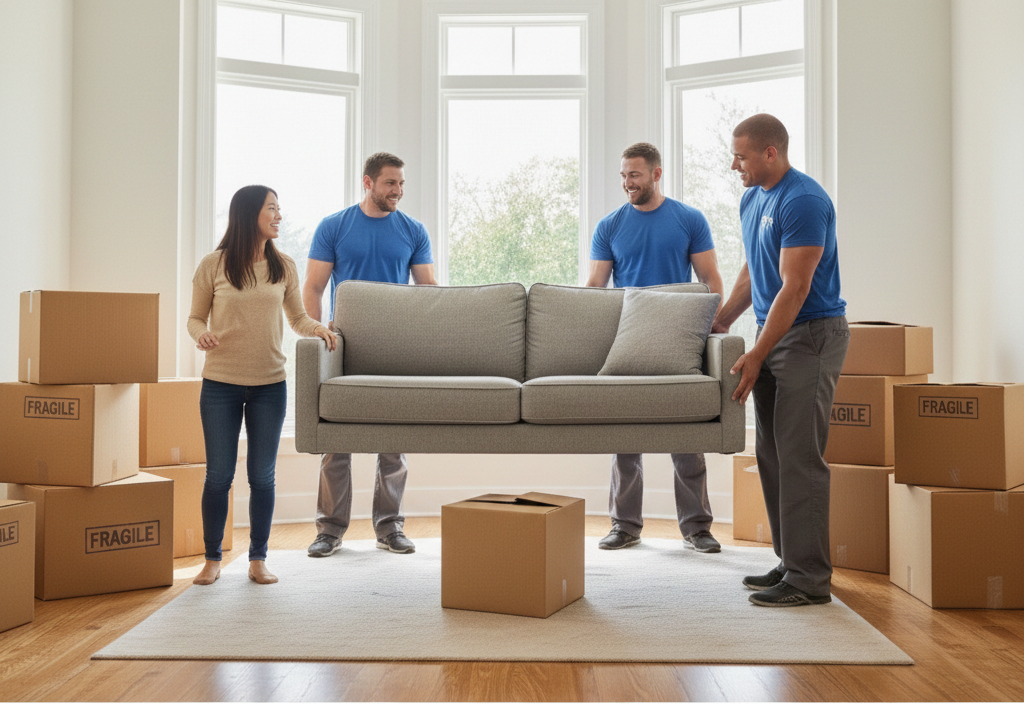
Customers often underestimate how many contact points occur during a move. A couch might brush four door frames, two hallway corners, a truck ramp edge, another piece of furniture inside the truck, and the destination doorway before it reaches its final spot. Each contact is an opportunity for surface damage. Wrapping reduces cumulative risk across all those touchpoints.
Cost data makes the value even clearer. Furniture refinishing, upholstery repair, and surface restoration often run hundreds to thousands of dollars depending on material and damage extent. Home improvement cost surveys show that professional wood refinishing alone can cost several dollars per square foot, which adds up quickly on large pieces. Spending a few extra minutes wrapping protects that investment.
There is also the emotional value of furniture. Many pieces carry sentimental meaning beyond monetary cost. A dining table passed down through family or a custom sofa cannot always be replaced easily. Preventing even minor cosmetic damage preserves that emotional value and avoids regret.
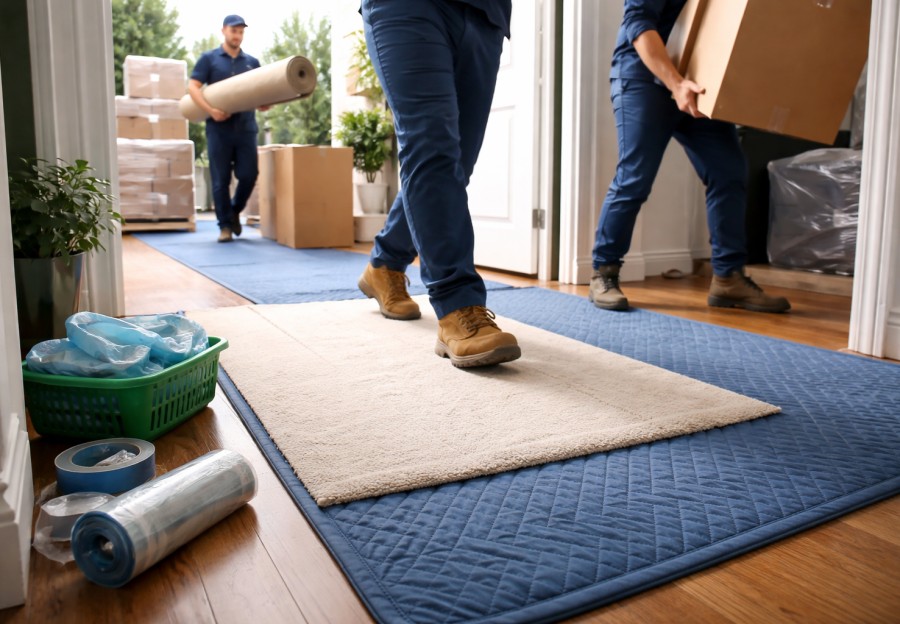
Another overlooked factor is secondary damage during unloading and setup. Many chips and scratches occur after the truck arrives, when furniture is maneuvered into tight rooms or temporarily staged while other items move around it. Leaving wrapping on until the piece is in its final position reduces this late stage risk. Accident analysis in residential moves shows that a meaningful share of damage occurs during final placement rather than during transport.
Short distance does not mean low risk. In fact, short moves often involve more start and stop driving, tighter parking maneuvers, and more frequent handling transitions than long highway trips. All of those increase exposure to small impacts and friction.
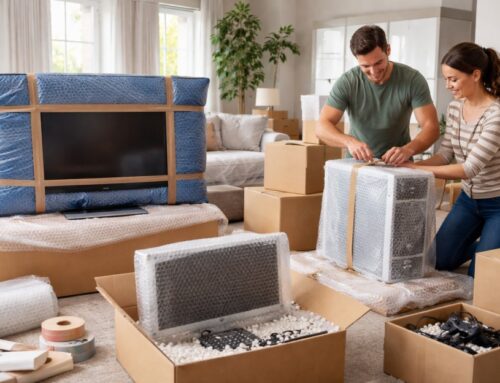
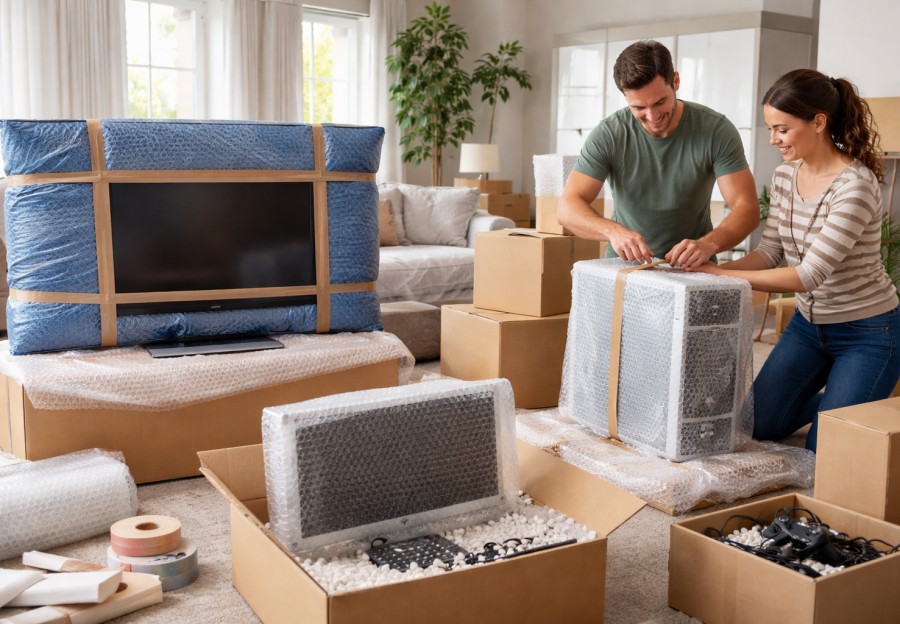
Wrapping furniture is a simple layer of protection that addresses vibration, impact, abrasion, moisture, stacking pressure, handling grip, and load stability all at once. Real data from materials science, packaging engineering, transportation safety, and insurance claims supports the practice because it reduces damage frequency and severity across all move types.
When movers wrap furniture even for short moves, they are not being overly cautious or wasting time. They are applying proven risk control habits that protect your belongings, your home, and their own safety. The few minutes spent wrapping often save hours of frustration, repair coordination, and unexpected expense later. Whether the new place is three blocks away or three states away, furniture faces the same physical forces the moment it starts moving. Wrapping simply ensures it arrives looking the same as when it left.