March 6, 2026
When a second moving truck may be necessary
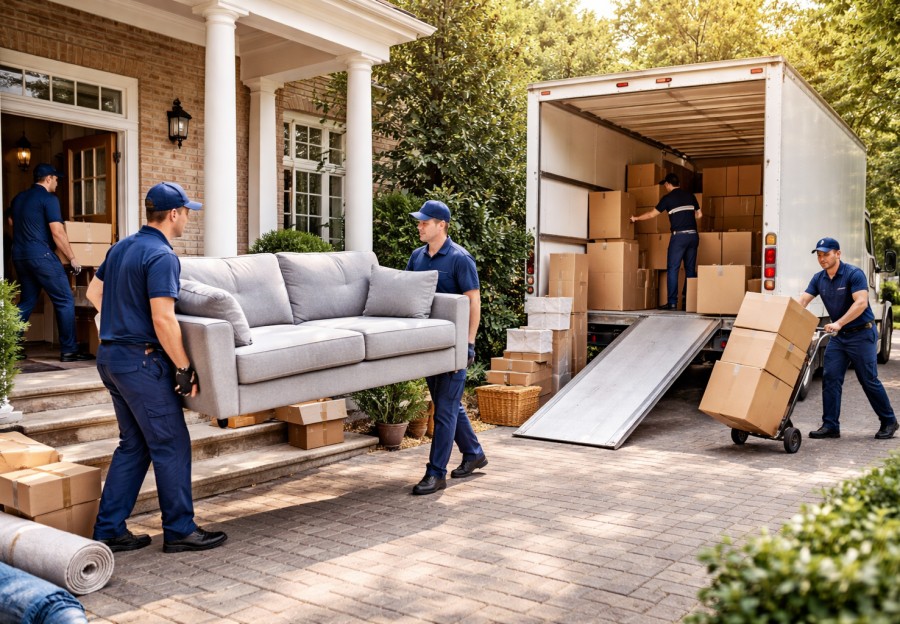
Most people assume that one moving truck will be enough for their entire home. It feels logical. You pack everything, load it once, and drive away. But in real moves, volume, weight, layout, timing, and safety often push a single truck beyond what is practical or wise. In many cases, adding a second truck actually reduces risk, protects belongings, and prevents costly delays or damage.
The scale of modern households explains part of the problem. The Environmental Protection Agency estimates that the average American home contains over 300,000 individual items when you count clothing, décor, books, kitchen goods, storage items, and personal effects. Even modest homes accumulate far more volume than people realize. A standard 26 foot moving truck typically holds around 1,600 to 1,700 cubic feet of cargo. A fully furnished three to four bedroom home can easily approach or exceed that volume, especially when large sectionals, home offices, gym equipment, and outdoor furniture are involved.
Volume alone does not tell the full story. Weight limits matter just as much. Moving trucks have maximum payload capacities based on axle ratings and braking performance. Exceeding safe weight limits increases stopping distance and strain on suspension and tires. Transportation safety studies show that overloaded vehicles experience higher mechanical failure rates and longer braking distances, which increases accident risk. When a truck approaches weight limits, even if space remains, a second truck may be the safer option.
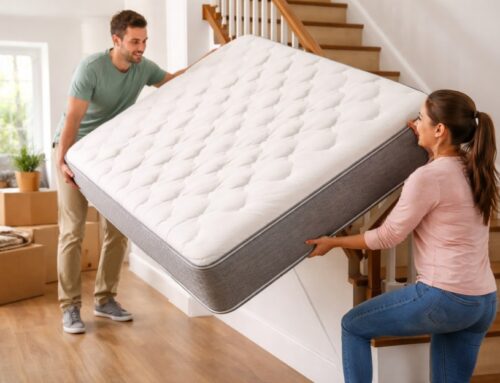
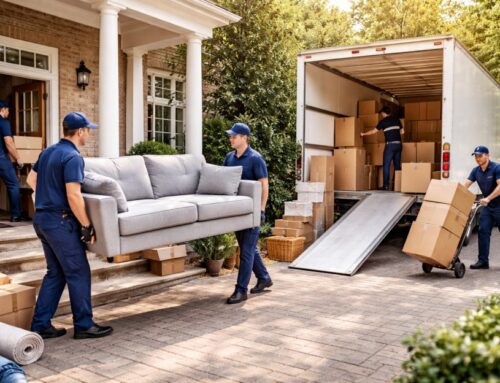
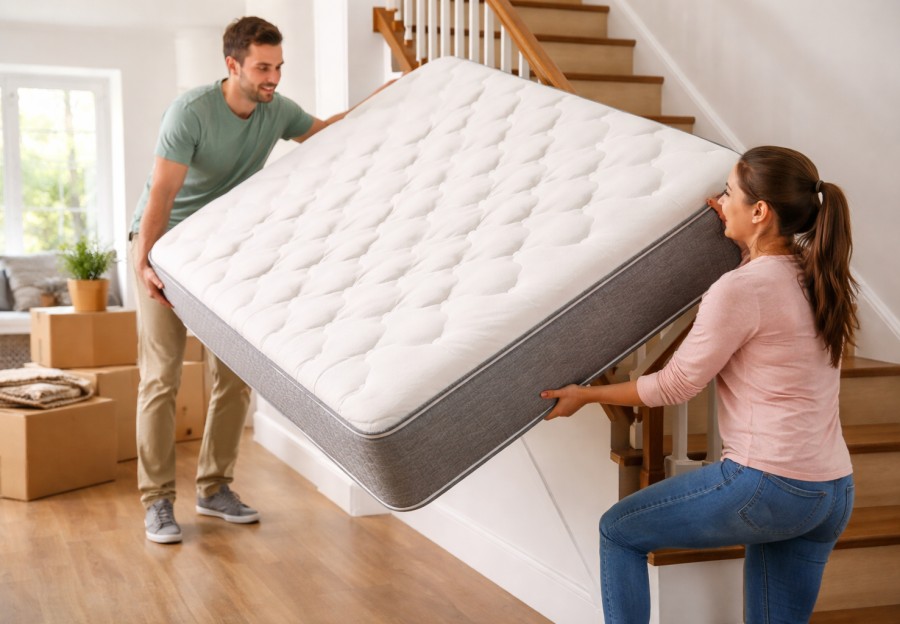
Layout and item shape also affect how efficiently space can be used. Perfect rectangular boxes stack well. Sofas, mattresses, curved headboards, pianos, and large appliances do not. Irregular shapes create voids that waste cubic space. Packaging engineering research consistently shows that irregular loads reduce packing efficiency compared with uniform cartons. If a home contains many bulky or awkward pieces, the usable capacity of a single truck drops quickly.
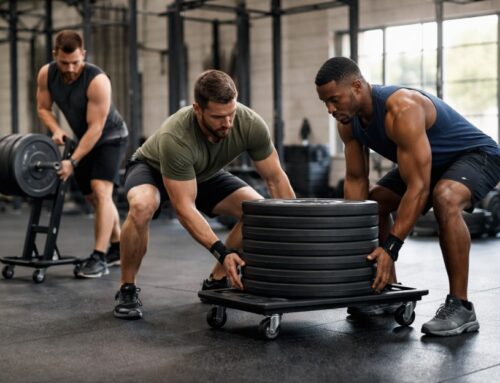
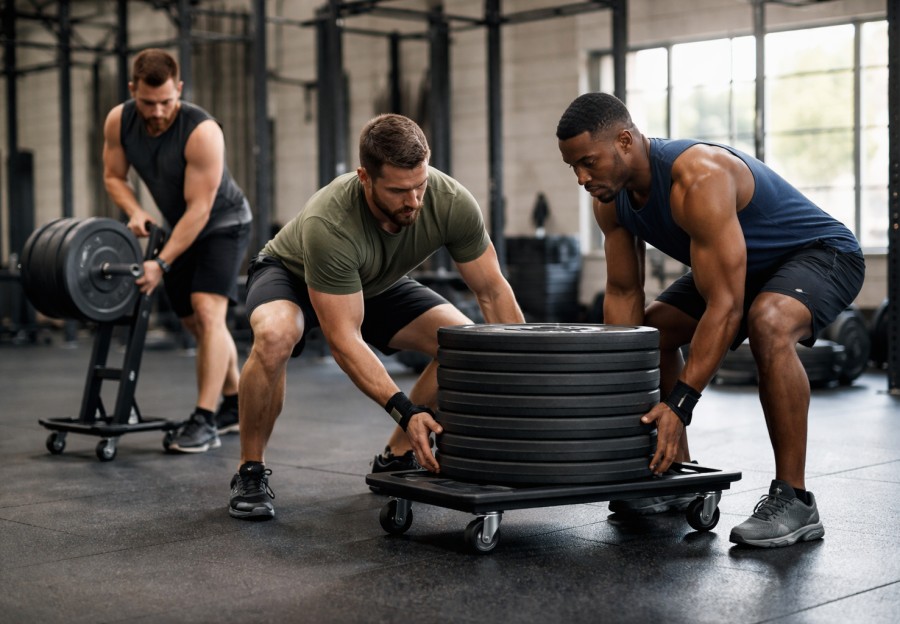
Large homes with multiple specialty rooms often trigger this issue. Home gyms with treadmills and weight racks, garages with tool cabinets and seasonal storage, playrooms filled with plastic equipment, and outdoor patios with deep seating all consume space inefficiently. These items also require heavier padding and safer spacing, further reducing usable volume. Trying to compress them into one truck increases stacking pressure and damage risk.
Time pressure is another signal that a second truck may be necessary. If crews are forced to rush loading to make everything fit, quality suffers. Insurance claim data from moving companies consistently shows that many damages occur during rushed loading and late stage packing when fatigue and pressure peak. When a second truck is available, loading can stay controlled instead of frantic. That improves protection, balance, and safety.
Fatigue compounds risk on large single truck moves. The Bureau of Labor Statistics reports that overexertion is one of the leading causes of injury in material handling work. When crews push for extended hours trying to cram everything into one truck, lifting technique degrades, reaction time slows, and coordination suffers. Human performance studies show that physical fatigue reduces fine motor accuracy and situational awareness. Splitting volume across two trucks reduces load intensity and keeps performance steadier.
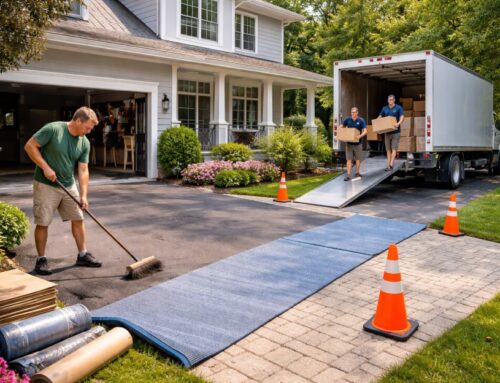
Access constraints often make a second truck the smarter option even when volume seems manageable. Tight urban streets, limited parking zones, long carry distances, elevator restrictions, and loading dock schedules all influence flow. Municipal access data shows that parking conflicts and loading delays are common in dense residential areas. If only short loading windows are available, two trucks can cycle more efficiently rather than waiting for one overloaded truck to clear staging areas.
Building restrictions also drive this decision. Many apartment buildings and condominiums limit elevator load weight, trip frequency, or booking windows. A heavily packed single truck often requires longer staging and elevator congestion, increasing building wear and neighbor conflict. Splitting the load reduces bottlenecks and keeps traffic flowing more smoothly through shared spaces.
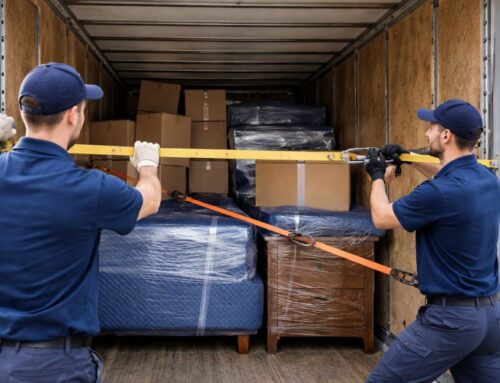
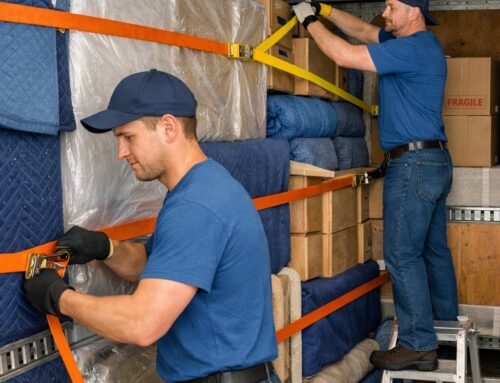
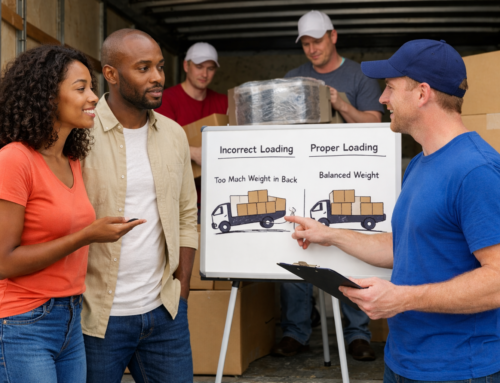
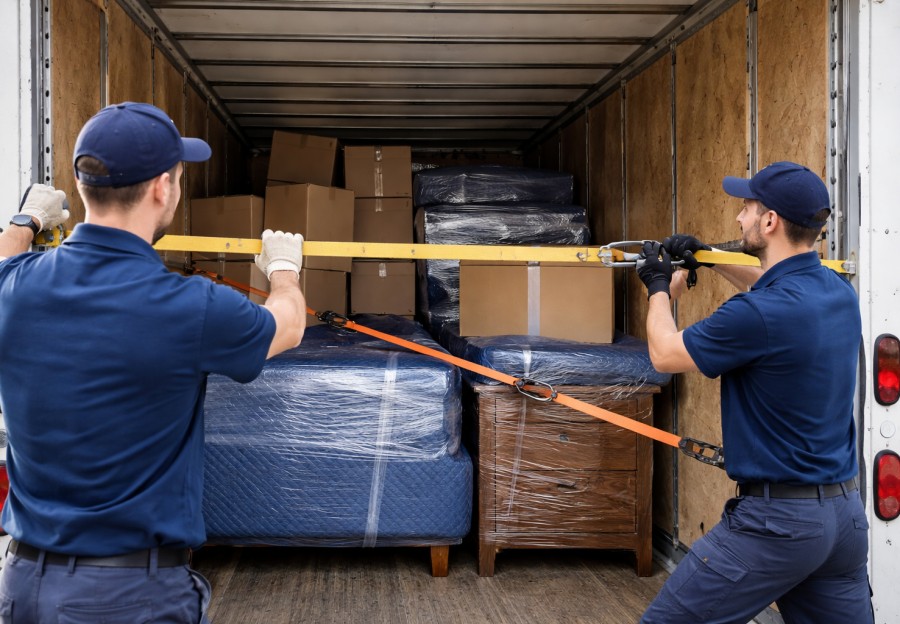
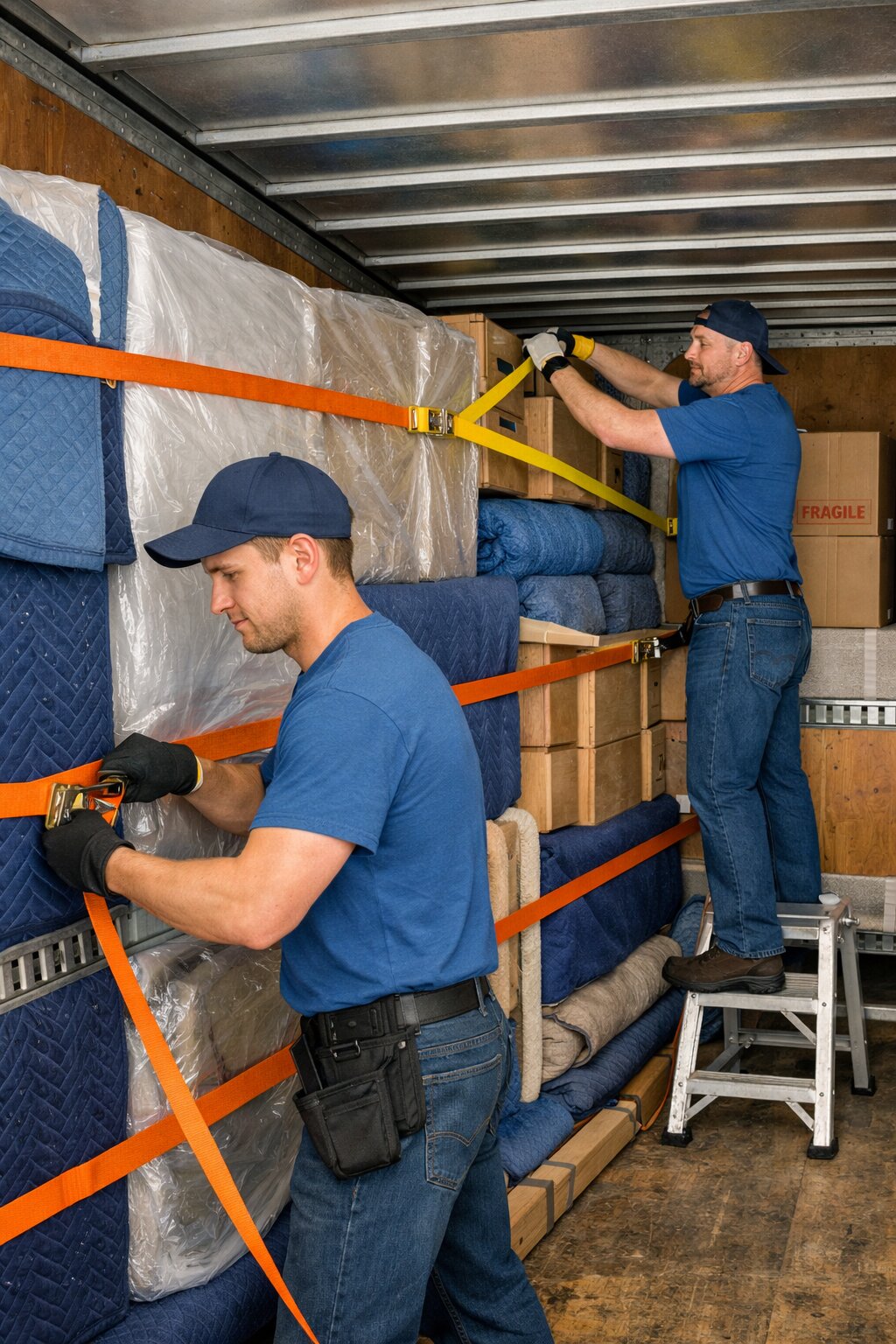
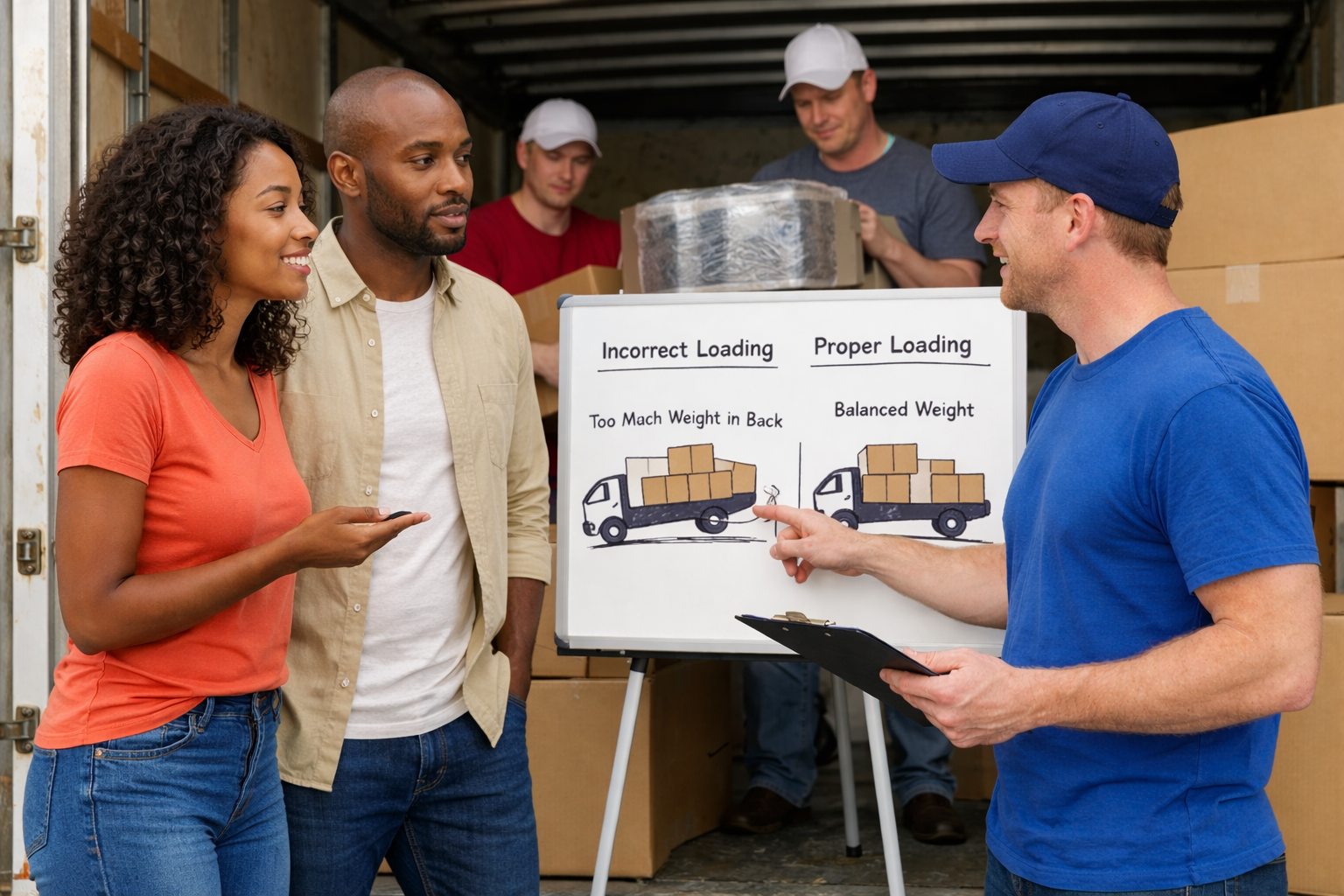
Weight distribution inside the truck affects stability during transport. Transportation cargo safety research links load shift to a significant share of in transit damage and vehicle handling instability. When one truck is overfilled, it becomes harder to maintain balanced weight distribution across axles and interior zones. A second truck allows better separation of heavy items and fragile items, improving overall stability and reducing vibration exposure.
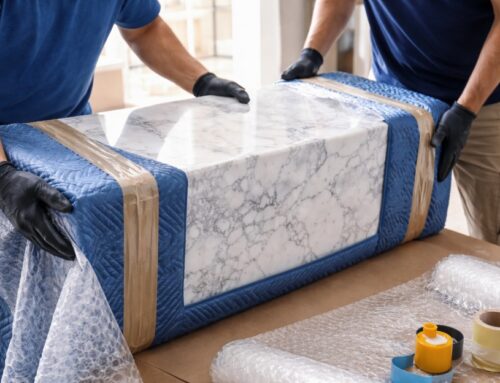
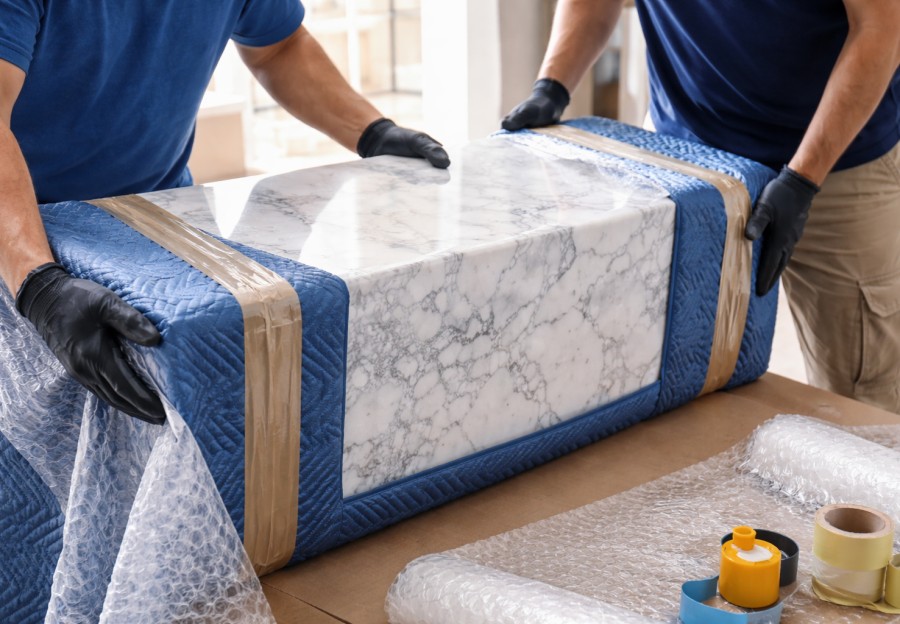
Fragile and high value items often justify a second truck by themselves. Marble surfaces, large mirrors, artwork, oversized electronics, and antiques benefit from generous spacing and dedicated padding zones. Packaging vibration studies show that tight stacking increases friction damage and micro vibration wear even without visible impacts. When fragile items are forced into crowded spaces to save truck space, risk increases sharply. A second truck creates safer buffer zones.
Long distance moves amplify these risks. Extended driving time increases vibration exposure, temperature cycling, and load shift probability. Vehicle interior temperature studies show that trucks can exceed outdoor temperatures by more than 20 degrees Celsius within an hour in direct sun. Electronics, adhesives, wood finishes, and stone surfaces all react to heat and humidity fluctuations. Spreading sensitive items across two trucks reduces thermal density and improves airflow buffering.
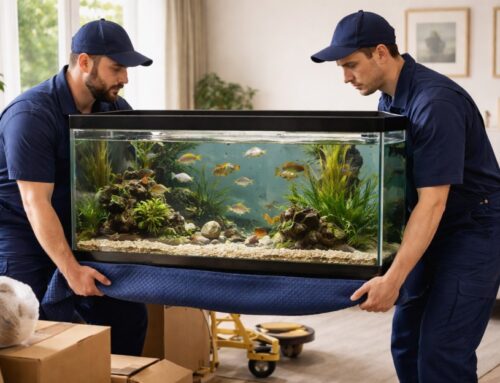
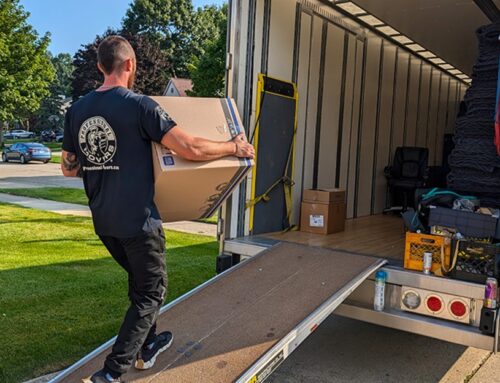
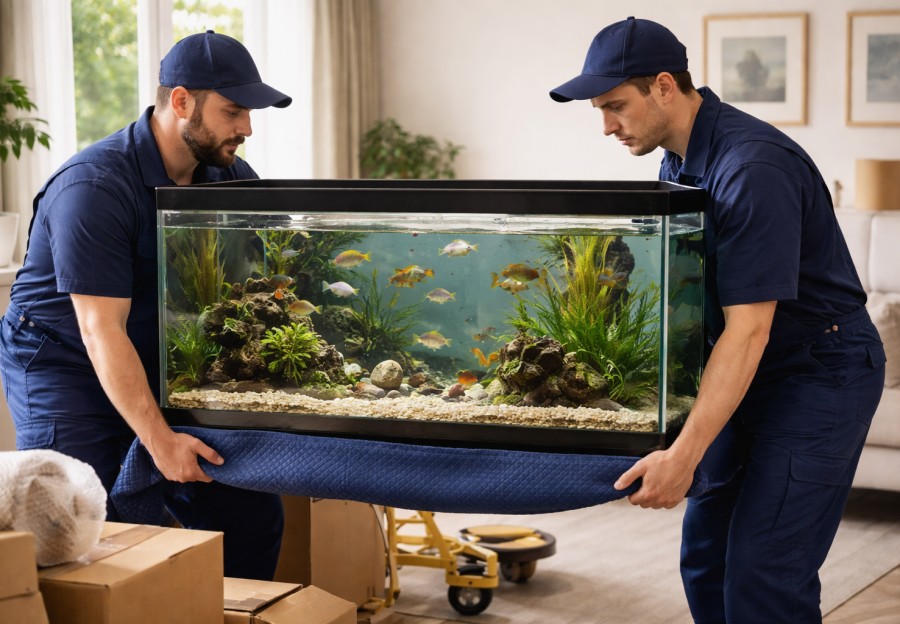
Another indicator is the presence of unusually heavy individual items. Safes, large aquariums, solid wood dining tables, commercial grade appliances, and large machinery concentrate weight in small footprints. Structural engineering data shows that localized load concentration increases floor and ramp stress during loading. Managing these items alongside full household volume in one truck increases both equipment strain and handling risk.
Schedule reliability also improves with two trucks on large moves. If a single truck encounters mechanical issues, traffic delays, or access problems, the entire move stalls. Redundancy reduces exposure to single point failures. Project risk management research shows that redundancy increases reliability in complex operations by reducing dependency on one critical path.
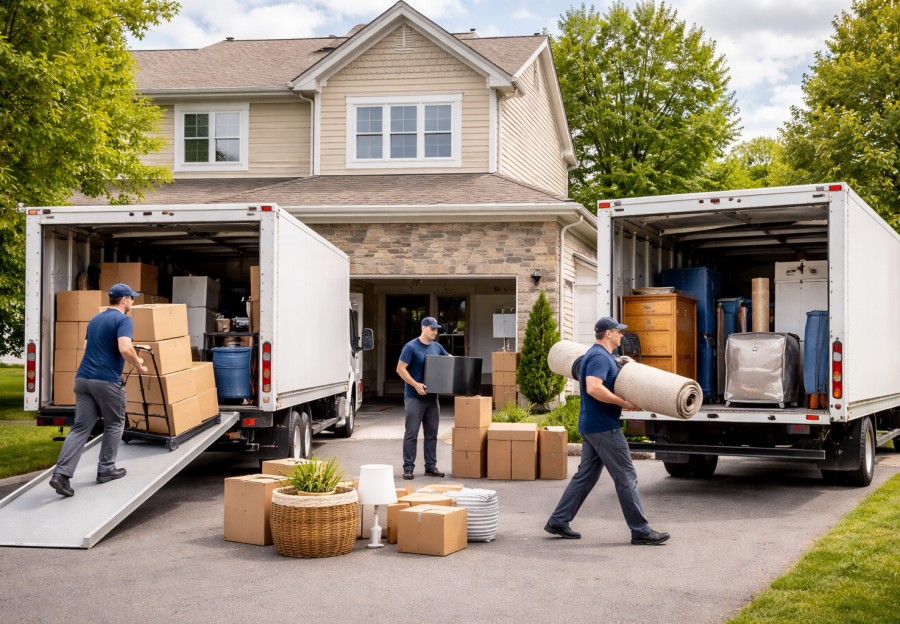
There is also a sequencing advantage. Two trucks allow better loading logic. One truck can prioritize heavy furniture and structural items while the other handles boxes and fragile goods. This separation simplifies unloading and room placement at the destination. Logistics studies show that grouping similar load types improves handling accuracy and reduces misplacement errors by roughly 25 to 30 percent in sorting environments.
Cost perception often prevents people from considering a second truck, but the financial math deserves a closer look. Damage repairs, overtime labor, injury risk, building damage charges, and schedule overruns all carry hidden costs. Home improvement cost surveys show that repairing or refinishing damaged furniture, stone surfaces, or flooring can easily run into hundreds or thousands of dollars. Preventing one major damage incident often offsets the incremental cost of an additional truck.
Insurance coverage adds another layer. Basic mover liability often reimburses based on weight rather than replacement value. High end furniture, electronics, and stone surfaces are rarely fully covered under basic liability. Reducing damage probability through better spacing and load management protects financial exposure even when insurance exists.
Environmental impact matters too. Damaged goods contribute to landfill waste and replacement manufacturing. The Global E Waste Monitor reports millions of tons of electronic waste generated annually worldwide, much of it driven by premature damage and replacement. Extending the life of household goods through safer transport reduces unnecessary waste.
Weather exposure also becomes easier to manage with two trucks. If rain, heat, or wind arises unexpectedly, sensitive items can be protected or loaded in safer sequences rather than being rushed into cramped spaces. Textile care research shows that damp fabrics can develop mildew within 24 to 48 hours in warm conditions. Avoiding compressed wet packing protects upholstery and rugs.
Another practical factor is unpacking efficiency. Overfilled trucks often unload in chaotic order because items are buried and hard to access. That increases handling cycles and re positioning. Time motion studies show that unnecessary re handling increases labor time and error rates. With two trucks, access stays clearer and placement stays more organized.
Customer experience improves as well. Moves that feel rushed, cramped, and reactive create stress and frustration. Behavioral stress research consistently ranks moving among the top life stressors. Reducing congestion, delays, and damage risk improves emotional comfort and satisfaction with the move.
There are also regulatory and safety considerations in some regions. Commercial vehicle weight limits, bridge restrictions, and residential street regulations may cap allowable loads or vehicle sizes. Compliance avoids fines, forced re routing, or access denial.
Not every move needs two trucks. Small apartments, minimal furniture, short local moves with good access often fit comfortably in one properly sized truck. The key is realistic assessment rather than optimistic guessing. Experienced moving estimators calculate volume, weight, item shape, access complexity, and special handling needs to determine truck requirements accurately.
Warning signs that a second truck may be necessary include large square footage, multiple bulky specialty items, long carry distances, tight access constraints, heavy stone or solid wood furniture, high volume garages or storage areas, long distance routes, strict building rules, or tight delivery windows. When several of these factors combine, one truck becomes a bottleneck rather than a solution.
Two trucks do not automatically mean double cost or double chaos. In many cases, they improve pacing, reduce overtime, lower damage risk, and create smoother logistics. The total labor hours may remain similar while quality improves significantly.
Moving is ultimately a logistics and risk management exercise disguised as a household task. Real data from transportation safety, packaging engineering, workplace injury research, and insurance trends all point to the same conclusion. When volume, weight, and complexity exceed comfortable limits, adding capacity reduces strain on people, equipment, and belongings.
Choosing a second truck is not about excess. It is about control. Control over space, weight, pacing, protection, and safety. When the move involves a large home or complex inventory, that control protects your investment, your schedule, and your peace of mind.