February 28, 2026
What to leave for last when packing your kitchen
Packing a kitchen is always one of the most time consuming parts of a move. It is full of fragile items, heavy tools, small gadgets, liquids, and things you still need right up until the final hours in the home. If you pack everything too early, daily life becomes inconvenient and stressful. If you wait too long on the wrong items, movers get delayed and breakage risk rises. The secret is knowing exactly what should stay accessible until the very end and why.
Kitchen packing mistakes are common simply because of volume. The average American kitchen contains hundreds of individual items when you count utensils, cookware, food containers, small appliances, and pantry goods. Consumer behavior studies show that kitchens are one of the most frequently accessed rooms in a home, often used dozens of times per day. That constant use means packing needs to stay functional until the last practical moment.
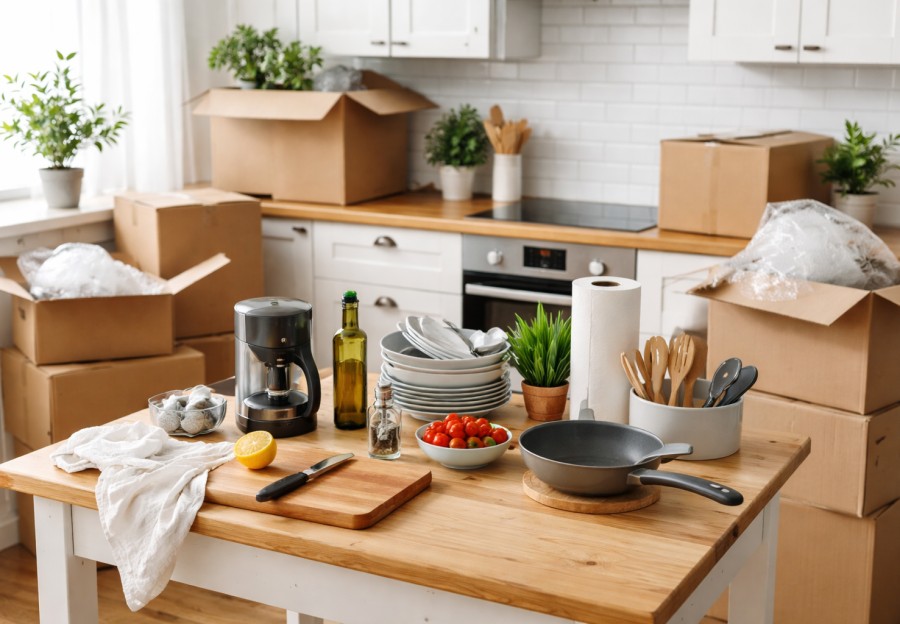
The most obvious category to leave for last is everyday eating tools. Plates, bowls, cups, mugs, silverware, and one or two basic cooking pans should remain available until your final meals are done. Nutrition research shows that people who rely heavily on takeout during stressful periods tend to consume more sodium and calories, which can increase fatigue and dehydration. Keeping a minimal working kitchen allows you to eat normally and stay energized during the physically demanding packing days.
It is smart to gradually reduce these items instead of leaving the full kitchen active. Pack excess dish sets, specialty glassware, and rarely used serving pieces early. Leave only what you need for the final two or three days. This reduces the amount you must pack at the last minute while still keeping daily routines intact.
Coffee makers, kettles, toasters, and microwaves also fall into the last to pack category for many households. Caffeine consumption data shows that over 60 percent of adults drink coffee daily, and sudden routine disruption often increases irritability and fatigue. Having access to your morning routine during packing keeps energy and mood more stable. The same applies to quick breakfast tools that help you avoid skipping meals.
Cleaning supplies belong near the end as well. Dish soap, sponges, paper towels, trash bags, surface cleaners, and hand soap remain useful right until the truck is nearly loaded. Moving creates dust, debris, and spills. The American Cleaning Institute notes that foot traffic and packing debris significantly increase indoor soil levels during moves. Keeping cleaning supplies accessible allows you to wipe surfaces, manage trash, and leave the home in good condition.
Trash and recycling containers should also stay active until the final walkthrough. Packing generates a large amount of waste. Municipal waste data shows that households produce significantly more trash during move weeks than average weeks due to cardboard, packing paper, and discarded items. Having bins available prevents clutter buildup and keeps walkways safer.
Perishable food is another category to manage carefully. Refrigerated and frozen items should remain until the last possible window so food does not spoil prematurely. The US Department of Agriculture estimates that the average household wastes hundreds of dollars in food annually, much of it due to improper storage and timing. Plan meals that use up remaining perishables in the final days. Condiments, sauces, and opened packages should be consumed or discarded rather than transported if the trip is long or if movers will not carry them.
Dry pantry basics that you still need for daily meals should stay accessible until close to moving day. Items like salt, oil, coffee, tea, bread, and simple snacks support basic nutrition and hydration during long packing days. Everything else can be packed earlier once you have planned your remaining meals.
Medications and supplements that are stored in the kitchen should never go on the moving truck. These should remain with you personally until the move is complete. Vehicle temperature studies show that parked trucks can exceed outdoor temperatures by more than 20 degrees Celsius in under an hour, which can degrade many medications and supplements.
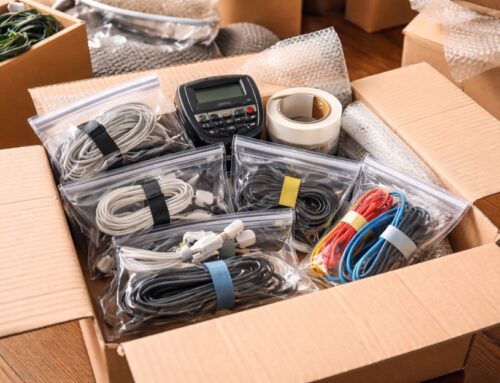
Phone chargers, small electronics, and portable speakers that live in the kitchen should stay out until the end as well. Communication and navigation are critical on moving day. Productivity research shows that access to essential tools reduces task delays by more than 20 percent. Having chargers available prevents dead devices during coordination with movers, building management, or family.
Pet feeding supplies are another last to pack group. Bowls, food containers, treats, and medications should remain accessible until pets are safely transported. Animal behavior studies show that pets experience higher anxiety during environmental changes. Maintaining familiar feeding routines helps stabilize them during the transition.
Paper towels, dishcloths, and a few towels are also useful until the final hour. Spills, wet hands, and quick wipe downs are unavoidable. Fabric absorbs moisture and protects surfaces during last minute cleaning and staging.
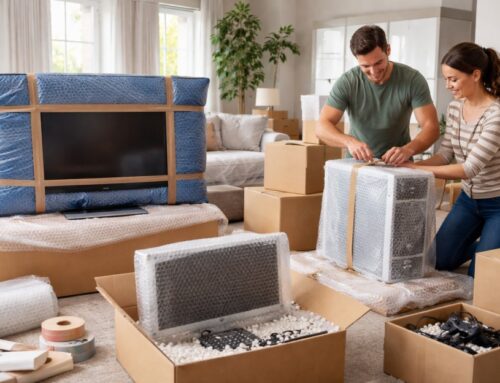
On the flip side, many kitchen items should not be left until the end. Rarely used appliances, seasonal cookware, specialty bakeware, extra dish sets, decorative items, and bulk pantry goods should be packed early. This reduces congestion and allows you to focus only on essentials as moving day approaches. Packaging studies show that rushed packing increases breakage rates because cushioning and spacing decisions become sloppy under time pressure.
The final day packing sequence matters. Once your last meal is complete, wash and dry the remaining dishes thoroughly before packing. Moisture trapped inside boxes weakens cardboard and increases mold risk. Packaging research shows that wet corrugated board can lose more than 30 percent of its compression strength. Drying items completely protects both the boxes and the contents.
Unplug and clean appliances before packing them. Crumbs and residue attract pests and create odors during transport. Food safety data shows that organic residue left in enclosed spaces increases bacterial growth, especially in warm conditions.
Defrost the refrigerator in advance if it is being moved. Appliance manufacturers recommend allowing at least 24 hours for defrosting and drying to prevent water leakage and mold growth. Water left inside appliance components can leak during transport and damage surrounding items.
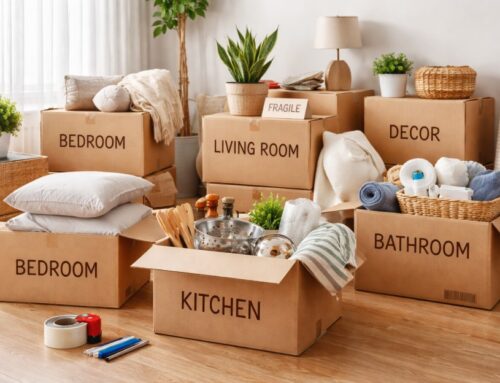
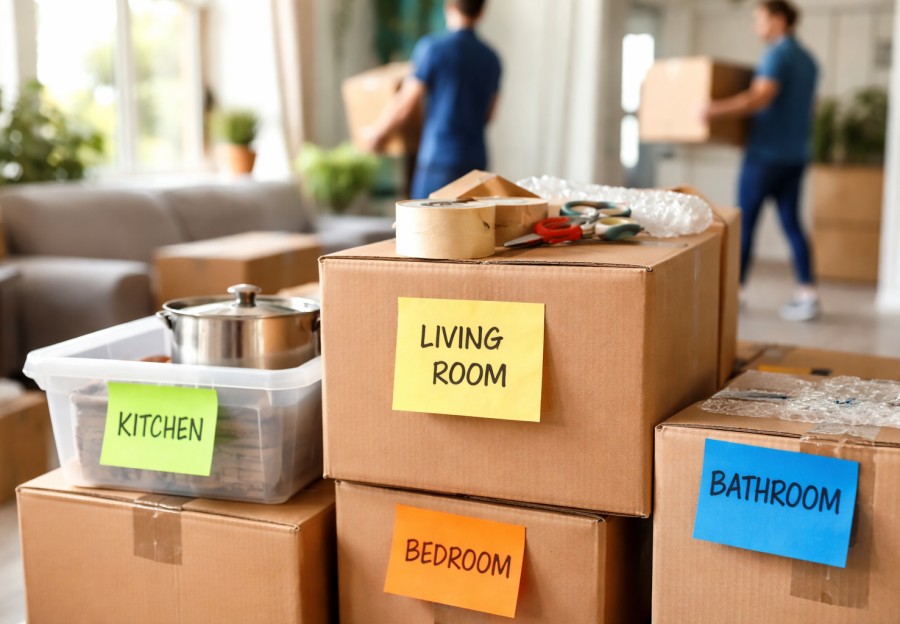
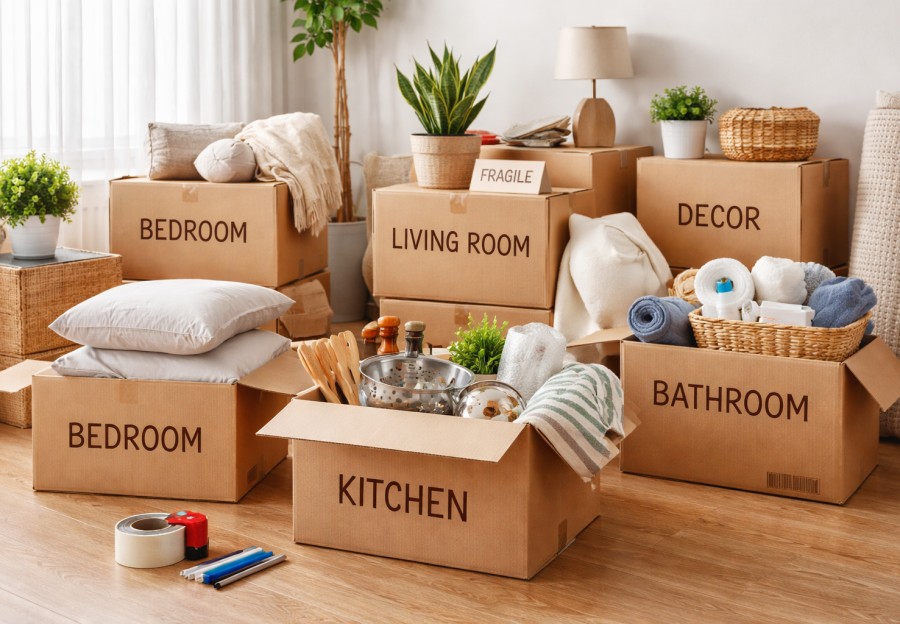
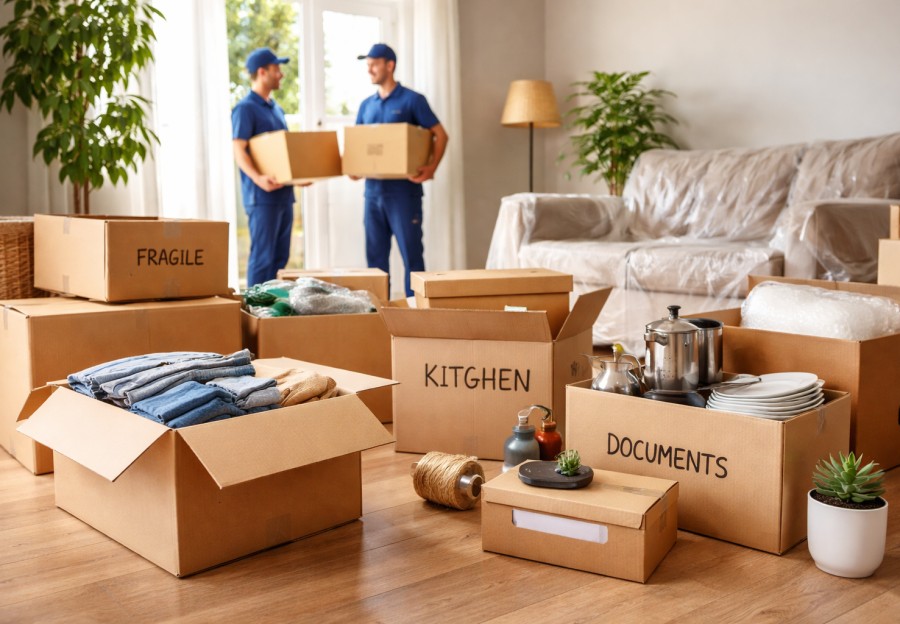
As you pack the final kitchen box, create a clearly marked first use box. Include a few plates or disposable dishware, cups, paper towels, trash bags, dish soap, a sponge, basic utensils, and a small snack. Productivity research shows that reducing search time for tools improves task efficiency by more than 20 percent. Having these essentials immediately available prevents frustration when you arrive tired at the new home.
Lighting should remain active until the last moment as well. Packing in dim conditions increases the risk of breakage and missed items. Safety studies consistently link poor lighting with higher accident rates in manual handling tasks.
Perform a structured final sweep of the kitchen once everything is packed. Check inside the dishwasher, microwave, oven, refrigerator drawers, pantry shelves, and trash areas. Cognitive fatigue increases oversight errors after long physical work, according to occupational psychology research. A slow intentional scan catches forgotten items.
There is also a cost angle to leaving the right things for last. Damaged dishes, wasted food, and delayed movers all increase moving expenses. Even one extra hour of labor caused by disorganization can add significant cost depending on hourly rates. Preventing rushed packing reduces both damage claims and overtime charges.
Health and safety benefit as well. Staying hydrated, eating properly, and maintaining clean surfaces reduces fatigue and illness risk. The Bureau of Labor Statistics reports that overexertion and slips are among the leading causes of injury during physical labor. Clean floors, accessible supplies, and clear walkways reduce hazards.
Emotionally, maintaining small daily routines during the final days provides stability. Behavioral science shows that predictable routines reduce stress during major life changes. Something as simple as making your normal breakfast or washing dishes after dinner gives your brain a sense of normalcy during an otherwise disruptive process.
What to leave for last when packing your kitchen is ultimately about preserving function while minimizing risk. Keep daily dishes, basic cookware, coffee tools, cleaning supplies, trash handling, perishables, pet supplies, chargers, lighting, and towels available until the final hours. Gradually reduce volume so the last packing window is manageable rather than frantic.
When the final box closes, the kitchen should feel empty but controlled, not rushed and chaotic. You leave knowing that meals were handled, waste was managed, surfaces were cleaned, and nothing important was forgotten or damaged due to haste. That balance makes moving day calmer and sets a better tone for settling into the next home.