March 12, 2026
What to know about hoisting services during moves
Hoisting sounds dramatic, but in many city and multi story moves it is simply the safest and sometimes the only practical way to move large or fragile items. When staircases are narrow, elevators are too small, or hallways have tight turns, movers may lift furniture and bulky items through windows or balconies using ropes, pulleys, or mechanical lifts. For customers who have never seen it done, the idea can feel risky or intimidating. In reality, hoisting is a controlled logistics technique backed by engineering principles, safety standards, and years of field experience.
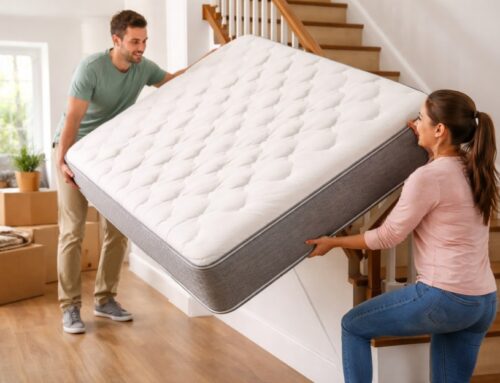
Urban housing trends explain why hoisting has become more common. Census data shows steady growth in apartment living, especially in dense metro areas where older buildings were not designed for modern furniture sizes. Sofas, sectionals, king beds, large wardrobes, and gym equipment simply do not fit through many legacy stairwells or elevator cabs. Building managers often restrict wall damage and elevator overloading, which further limits interior transport options. Hoisting solves these access constraints without damaging shared spaces.
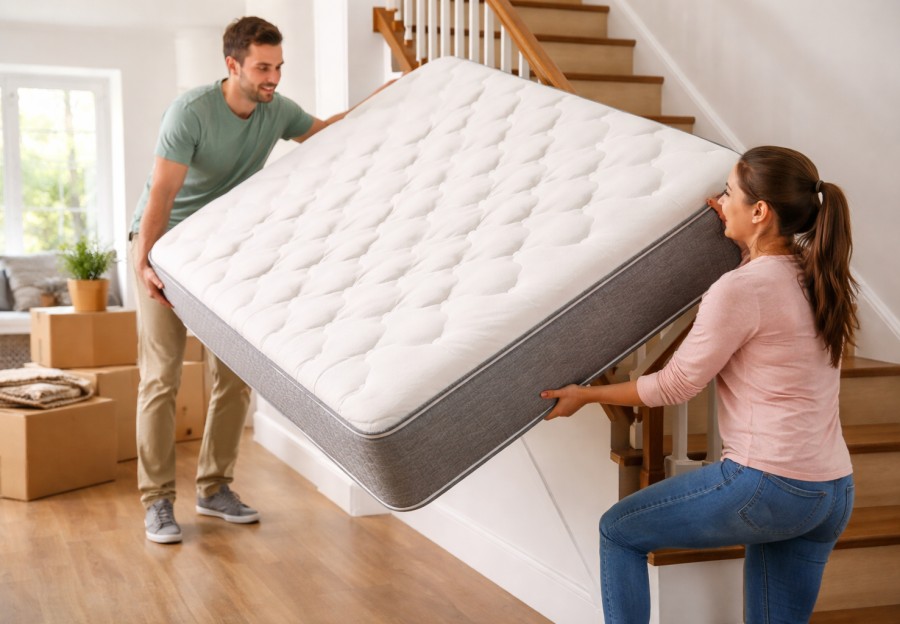
Safety is the primary reason movers recommend hoisting rather than forcing items through tight interiors. The Bureau of Labor Statistics consistently reports that overexertion and contact with objects are leading causes of injury in material handling jobs. Twisting a heavy sofa through a narrow stair turn increases strain, drop risk, and wall impact damage. Hoisting allows the load to move in a straight vertical path with controlled tension rather than awkward rotational stress.
Physics plays a major role in why hoisting works so well. When weight is lifted vertically with proper rigging, force distributes evenly across the lifting lines instead of concentrating on a few grip points. Mechanical advantage systems using pulleys reduce the required pulling force significantly, allowing precise control. Engineering data shows that pulley systems can multiply lifting efficiency several times over depending on configuration, which lowers human strain and improves smoothness of motion.
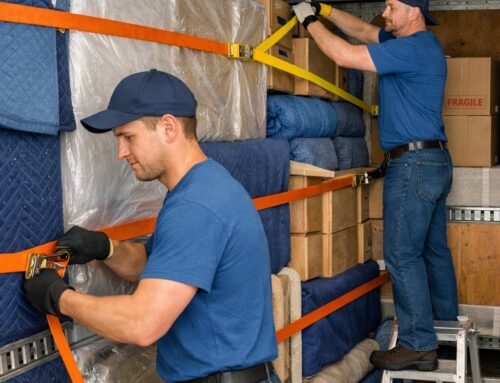
Load ratings are not guesswork. Professional hoisting equipment is rated well above the actual load weight to maintain safety margins. Synthetic ropes, webbing straps, and pulleys carry certified working load limits. Industrial rigging standards often require safety factors of five to one or higher, meaning equipment is capable of handling several times the expected load. This redundancy protects against unexpected dynamic forces such as wind movement or minor snags during lifting.
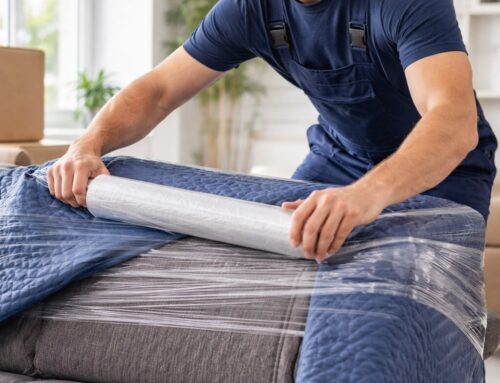
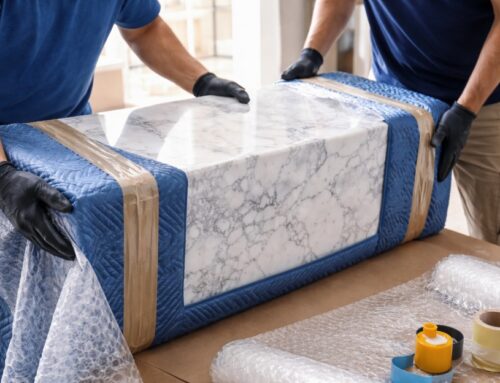
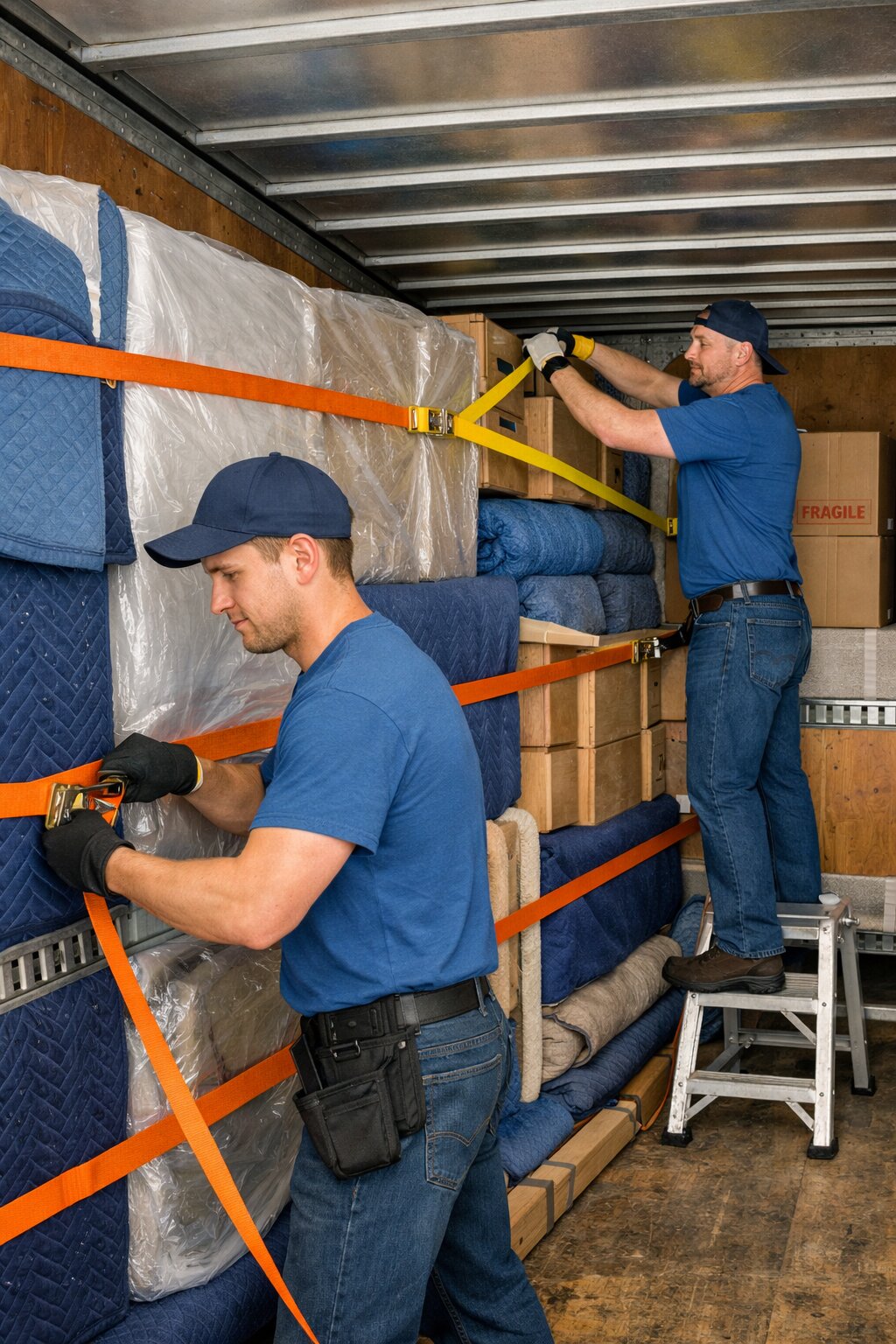
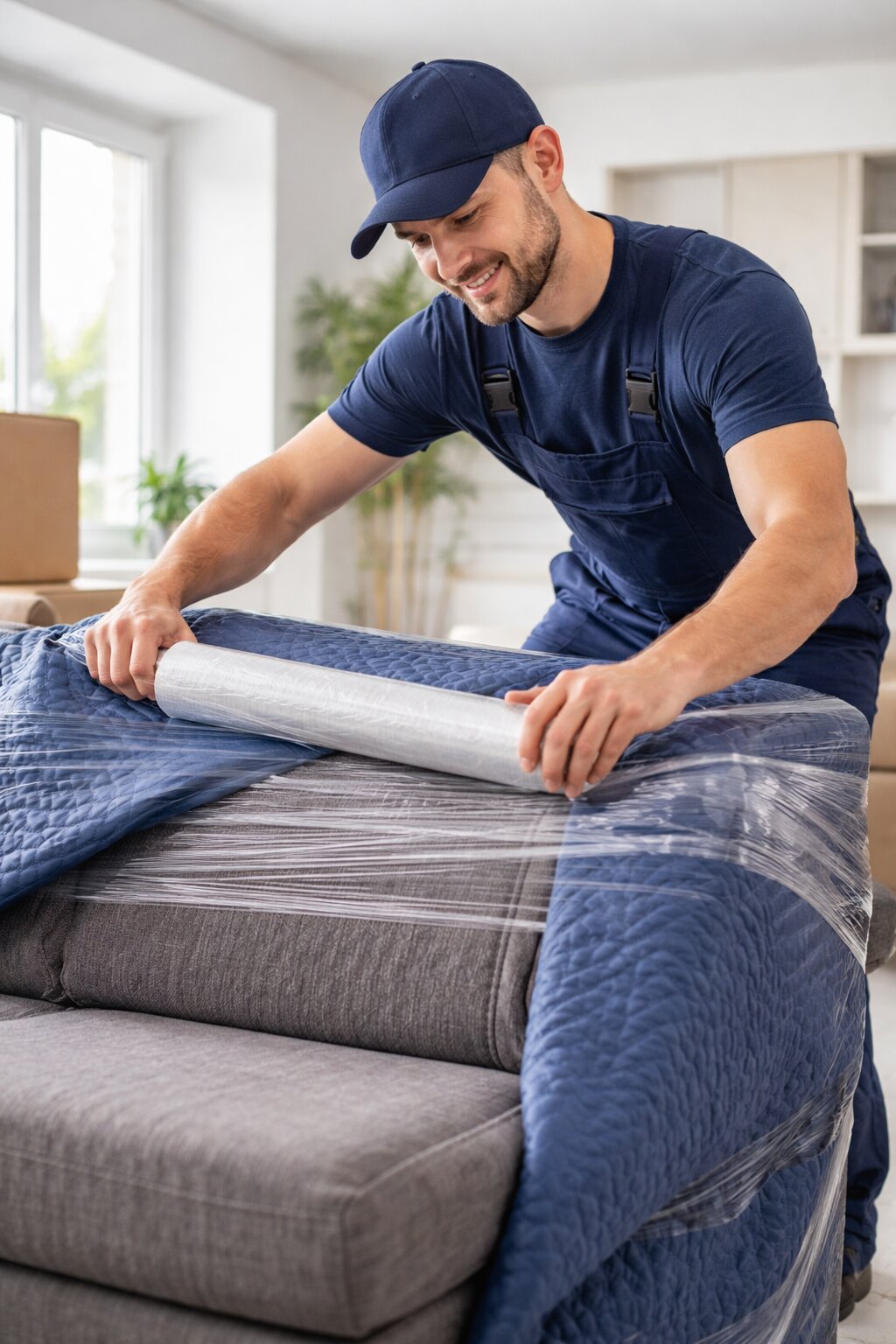
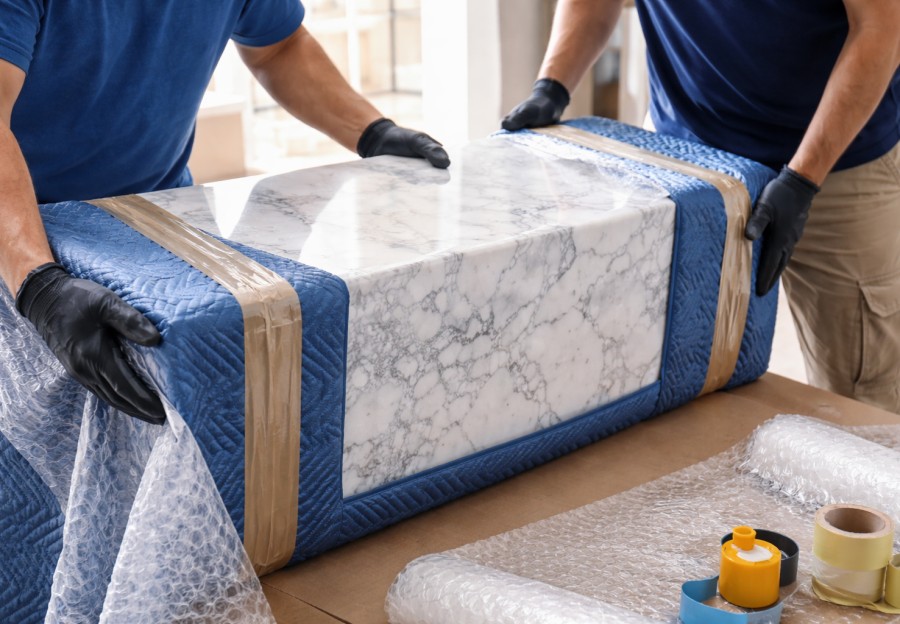
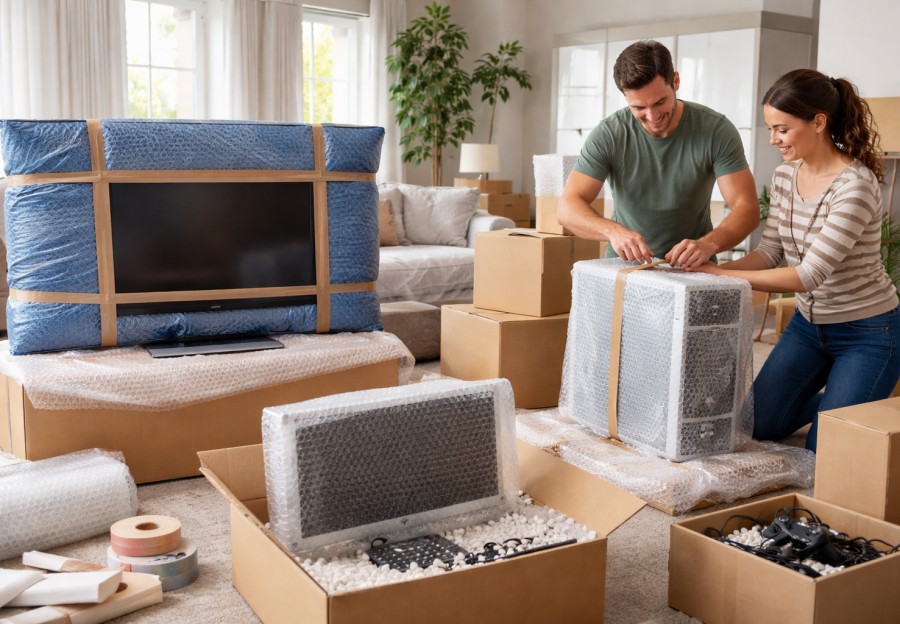
Item preparation before hoisting matters just as much as the lift itself. Furniture is fully wrapped and padded to protect surfaces from rope contact and window edges. Padding also increases friction control so the item does not spin or sway excessively. Packaging engineering studies show that layered padding reduces impact forces by more than 50 percent compared with thin coverings, which matters when passing close to building edges.
Windows and balcony access must be evaluated carefully. Not every opening is suitable for hoisting. Structural framing, sill height, railing clearance, and glass removal all factor into feasibility. Building construction data shows that window frames vary widely in load tolerance depending on age and material. Professional movers inspect these elements to ensure that no structural damage occurs during the lift.
Weather conditions influence hoisting decisions. Wind increases sway and makes load control harder. Rain reduces grip and increases slip risk on ropes and gloves. Temperature affects material behavior. Polymer ropes become slightly more flexible in heat and stiffer in cold according to materials durability studies. Movers often delay or reschedule hoisting during unsafe weather because control precision matters more than speed.
Street access also plays a role. Hoisting often requires clear space below the lift path to maintain public safety. Municipal safety regulations frequently require temporary sidewalk clearance or spotters when lifting over pedestrian areas. In dense urban areas, scheduling around traffic flow reduces risk and congestion. Coordination with building management or local authorities may be necessary for complex hoists.
One of the biggest benefits of hoisting is damage prevention. Forcing furniture through tight interiors causes wall gouges, door frame chips, railing scratches, and crushed corners. Home repair cost surveys show that patching drywall, repainting, or repairing trim can easily cost hundreds or thousands of dollars. Hoisting avoids interior collision points entirely, preserving both the building and the furniture.
Time efficiency is another advantage in the right situations. While setup takes preparation, a single controlled hoist often saves hours compared with repeated disassembly attempts or slow stair maneuvering. Time motion studies in logistics show that reducing complex handling cycles improves overall efficiency even when setup time increases slightly.
Hoisting also protects the furniture structure itself. Twisting heavy pieces through tight angles introduces torsional stress that weakens joints over time. Wood engineering research shows that repeated torsion accelerates joint fatigue, especially in older furniture. Vertical lifting avoids these stresses and preserves structural integrity.
Insurance and liability considerations matter. Hoisting is typically performed by trained crews using certified equipment. Many moving companies include additional insurance coverage for specialty handling because the replacement value of hoisted items often exceeds standard liability limits. Customers should understand what coverage applies and confirm documentation before the lift. Insurance industry data shows that clear documentation reduces claim disputes significantly if damage ever occurs.
Noise and neighbor impact should be considered as well. Hoisting operations involve coordination calls, equipment setup, and sometimes temporary street access restrictions. Building management often requires advance notice to avoid complaints and ensure safety compliance. Good communication prevents surprises and maintains positive relationships with neighbors.
There is also a perception issue. Watching a sofa or wardrobe rise several stories can feel unnerving even when everything is controlled. Human risk perception research shows that people often overestimate visible dramatic risks while underestimating common hidden risks such as stair handling injuries. In reality, controlled hoisting often carries lower overall risk than repeated manual carries through constrained spaces.
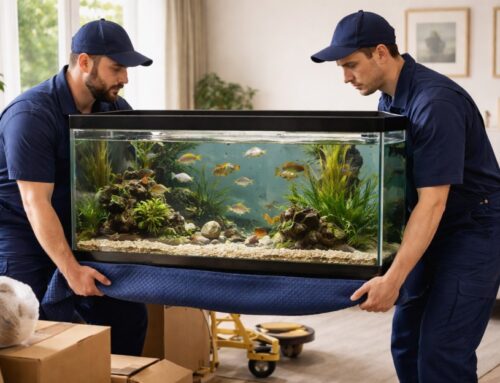
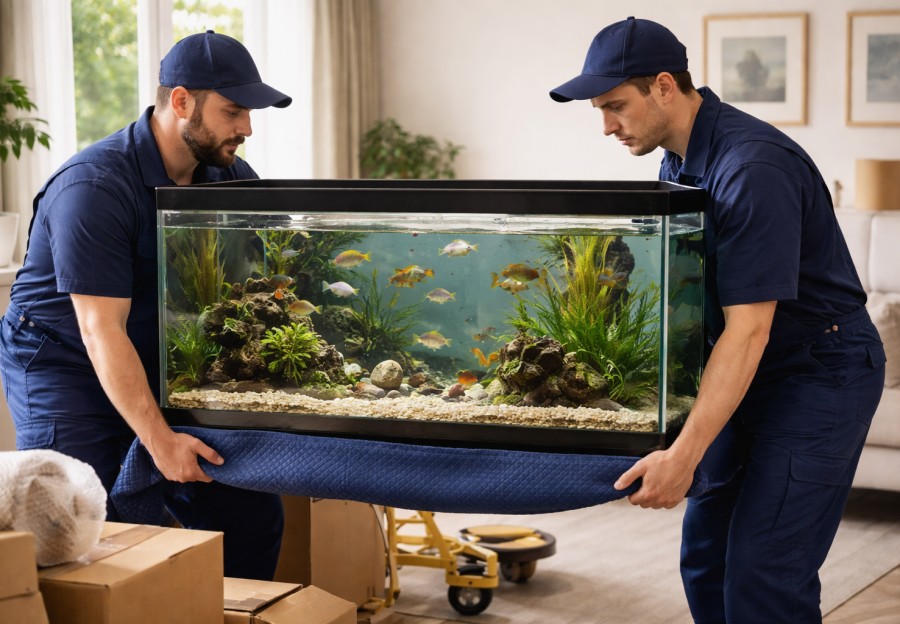
Weight limits still apply. Extremely heavy items such as safes, large aquariums, or stone pieces may require specialized cranes or lifts rather than manual hoisting systems. Stone industry data shows that marble and granite can weigh over 160 pounds per cubic foot, which quickly pushes loads beyond manual rigging comfort zones. Professional assessment ensures the correct method is used for each load.
Communication within the crew is essential during hoisting. One lead controls commands while others manage tension and guide the load. Workplace communication studies show that clear single point command structures reduce error rates in complex physical tasks. Consistent verbal cues prevent sudden movements and misalignment.
Spotters play an important safety role. They monitor clearance, rope alignment, and public safety zones. Occupational safety guidelines emphasize redundant visual checks when loads move overhead or near building edges. This layered monitoring reduces blind spot risk.
Customer preparation helps hoisting run smoothly. Clearing interior access near the receiving window prevents last second furniture shuffling. Removing window screens, blinds, or temporary fixtures ahead of time saves setup time. Confirming building permissions avoids delays. These small preparations reduce stress on the day of the move.
Cost is often a concern. Hoisting typically adds an extra service charge because of specialized labor, equipment, and time. However, the cost must be weighed against potential damage repairs, extended labor hours, and injury risk from forced interior handling. Home repair and medical cost data consistently show that preventing one major incident often offsets the incremental service cost.
Environmental conditions inside the building also benefit. Hoisting reduces heavy traffic through hallways, which lowers dust, scuff marks, and wear on common surfaces. Property management maintenance data shows that heavy move traffic accelerates floor and wall wear in shared buildings. Hoisting minimizes that impact.
Unloading safety improves as well. When an item enters directly through the window or balcony closest to its final placement, internal carrying distance drops. Time motion studies show that shorter carry distances reduce fatigue and handling errors. Less internal movement means fewer opportunities for bumps and drops.
There is also a scheduling advantage. In buildings with elevator reservation limits or restricted moving hours, hoisting allows more work to be completed within narrow access windows. This flexibility helps avoid overtime charges and rescheduling conflicts.
From a long term furniture care perspective, hoisting reduces cumulative micro damage. Packaging vibration studies show that repeated handling cycles introduce small stresses that accumulate over time. Fewer handling steps preserve finish quality and joint stability.
Psychologically, successful hoisting often reduces customer anxiety once they see how controlled the process actually is. Stress research shows that visible competence and clear communication lower perceived risk and increase satisfaction during complex tasks.
Hoisting services during moves are not about taking shortcuts or adding unnecessary spectacle. They exist because modern furniture sizes and urban building layouts often conflict with traditional access paths. When executed properly, hoisting improves safety, protects property, saves time, and reduces physical strain.
The key is professional evaluation, proper equipment, trained crews, clear communication, and realistic planning. When these elements align, hoisting becomes a precise logistics solution rather than a risky gamble. It allows large or fragile items to reach their destination smoothly even when staircases and elevators say no.
Understanding how hoisting works, why it is recommended, and what preparation is required removes much of the mystery and fear. Instead of imagining worst case scenarios, you see a controlled system guided by physics, safety standards, and experience. That knowledge turns a potentially stressful moment into a confident step forward in the moving process.