
February 17, 2026
What movers want you to pack before they arrive
When movers show up on moving day, every minute matters. Most professional crews charge by the hour, and delays caused by unfinished packing can quietly inflate the final bill while adding stress for everyone involved. Movers are trained to lift, load, protect, and transport, not to sort through drawers or decide what should stay or go. When certain items are packed ahead of time, the entire move runs faster, safer, and with far fewer surprises.
This matters on a national scale. The American Moving and Storage Association estimates that more than 31 million people move each year in the United States. Labor represents a large portion of moving costs, often 40 to 60 percent of the total price. If a crew costs 120 dollars per hour, even one wasted hour adds a noticeable expense. Studies in manual workflow efficiency show that interruptions and task switching can reduce productivity by more than 20 percent. When movers are forced to wait while items are packed or decisions are made, that lost efficiency becomes real money.
Clothing should almost always be ready before movers arrive. Folded clothes belong in boxes or bins, and seasonal items should already be separated so nothing important gets mixed in by accident. Hanging clothes can be grouped on hangers so movers can transfer them quickly into wardrobe boxes if needed. The average American owns around 148 pieces of clothing according to apparel industry surveys, which explains why closets take longer than expected. When clothing is not prepared, movers end up waiting while piles get sorted or drawers are emptied, slowing the entire schedule.
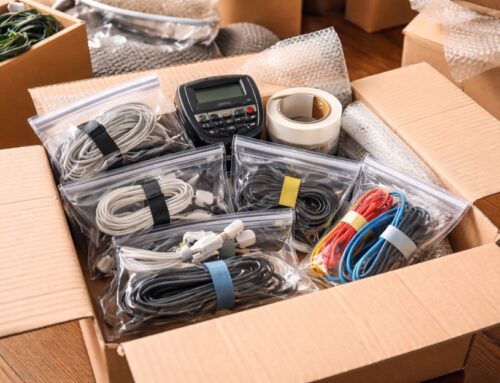
Personal and valuable items should always be packed by the homeowner. This includes jewelry, watches, passports, financial documents, medications, laptops, cameras, and small electronics. These items are high risk for loss or damage and often require special handling. Insurance policies frequently limit coverage for high value personal items unless they are declared separately. Keeping these items packed and transported with you adds a layer of security and avoids liability confusion later. Cognitive psychology research also shows that people remember where they placed important items more reliably when they packed them themselves rather than delegating the task.
Small loose items scattered around the home are another major slowdown. Desk drawers, nightstands, bathroom counters, and laundry areas often contain dozens of tiny objects that take time to organize. When these are not boxed ahead of time, movers may need to pause while everything is gathered, wrapped, and labeled. The Bureau of Labor Statistics reports that material handling productivity drops sharply when workers must shift between physical labor and sorting tasks. Keeping small items packed allows movers to stay in a steady physical workflow instead of stopping repeatedly.
Food is another category movers prefer to avoid. Open pantry items, spices, liquids, and refrigerated goods can leak, attract pests, or create sanitation issues inside the truck. Many moving companies will not transport perishables at all due to health and safety guidelines. The US Department of Agriculture estimates that improper food handling contributes to significant food waste and contamination each year, which is why movers typically expect all food to be removed or packed separately by the customer. Clearing the kitchen of consumables ahead of time prevents messes and confusion.
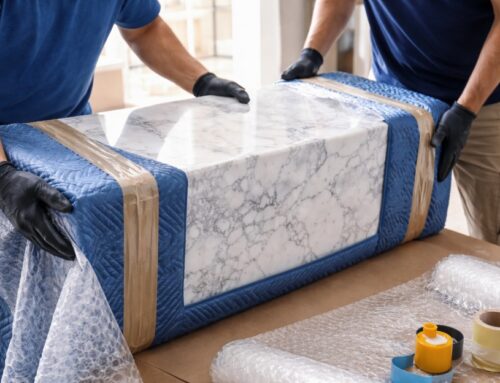
Fragile specialty items benefit from homeowner preparation as well. Collectibles, hobby equipment, musical accessories, and sentimental pieces often require custom packing that reflects personal value rather than generic protection standards. While movers can pack fragile items, homeowners often know which pieces are irreplaceable and how they should be handled. Packaging research shows that customized cushioning significantly reduces breakage risk compared with one size fits all packing approaches. Preparing these items in advance ensures they receive the care they deserve.
Hazardous materials should always be packed out or disposed of before movers arrive. This includes paint, cleaning chemicals, propane tanks, aerosols, automotive fluids, and certain batteries. Transportation safety regulations restrict the movement of many hazardous household materials due to fire and environmental risk. According to the US Environmental Protection Agency, improper transport of household chemicals contributes to thousands of hazardous waste incidents annually. Movers will typically refuse to load these items, which can create last minute delays if they are still present on moving day.
Plants are another area that movers often cannot transport, especially across state lines. Agricultural regulations restrict the movement of soil and plants to prevent the spread of pests and invasive species. The US Department of Agriculture enforces quarantine rules that limit plant transport in many regions. Movers usually ask homeowners to make separate arrangements for plants, which means they should be packed and staged independently or given away before the truck arrives.
Anything stored in tight or hard to access spaces should be ready in advance. Attics, crawl spaces, high shelves, sheds, and outdoor storage areas take extra time to access safely. Ladders, lighting, and careful footing slow the pace. Occupational safety data shows that fall risk increases significantly when workers access elevated or confined areas. Clearing these spaces ahead of time improves safety and keeps the main loading workflow moving smoothly.
Trash and donation items should be removed before moving day. Sorting decisions slow momentum and create clutter in walkways. If movers arrive to find piles of items still being debated, productivity drops and frustration rises. Behavioral research shows that decision fatigue increases as physical fatigue grows, making last minute sorting slower and more stressful. Clearing out unwanted items in advance keeps pathways clear and reduces the total volume that needs to be moved.
Furniture preparation also helps movers tremendously. Emptying drawers, removing loose shelves, detaching fragile components, and bagging hardware saves time and reduces damage risk. Packaging vibration studies show that loose components inside furniture increase stress on joints and surfaces during transport. When furniture arrives ready to move, crews can focus on safe lifting and load balance rather than disassembly on the spot.
Labeling boxes before movers arrive improves efficiency during loading and unloading. Clear room labels and simple handling notes reduce questions and re handling. Logistics studies show that clear visual labeling reduces sorting errors by up to 30 percent in warehouse environments. The same principle applies in residential moves. When movers can identify box destinations quickly, the truck loads in a more organized sequence and unloads faster.
There is also a human side to preparation. Movers work physically demanding jobs that involve repetitive lifting, coordination, and safety awareness. The Bureau of Labor Statistics reports that overexertion and contact with objects account for a large portion of injuries in material handling roles. When a home is prepared and clutter free, movers face fewer tripping hazards, fewer sudden obstacles, and fewer rushed adjustments. A safer environment benefits everyone.
The goal is not perfection. It is readiness. When clothing, personal valuables, food, hazardous materials, small loose items, specialty pieces, and hard to reach areas are already handled, movers can do what they do best. They lift efficiently, protect furniture properly, balance the truck load, and keep the timeline on track. Preparation reduces stress, protects your belongings, lowers the risk of injury, and keeps your final bill closer to the estimate you expected.
A well prepared home sends a clear message that the day is organized and intentional. It creates a smoother rhythm from the first carry to the last box on the truck. Most moving day problems do not come from heavy furniture or tight staircases. They come from unfinished packing and last minute decisions. Taking the time to pack the right things before movers arrive turns moving day from chaotic to controlled and helps everyone finish the job with less fatigue and fewer surprises.