
January 17, 2026
What movers really do during the loading process
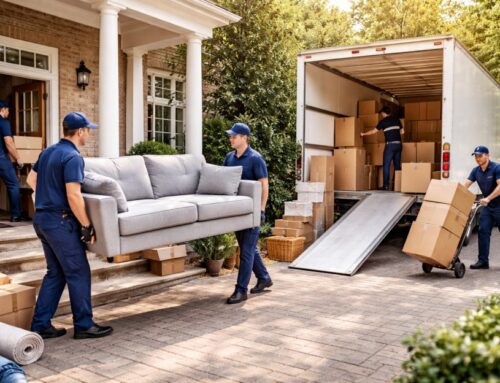
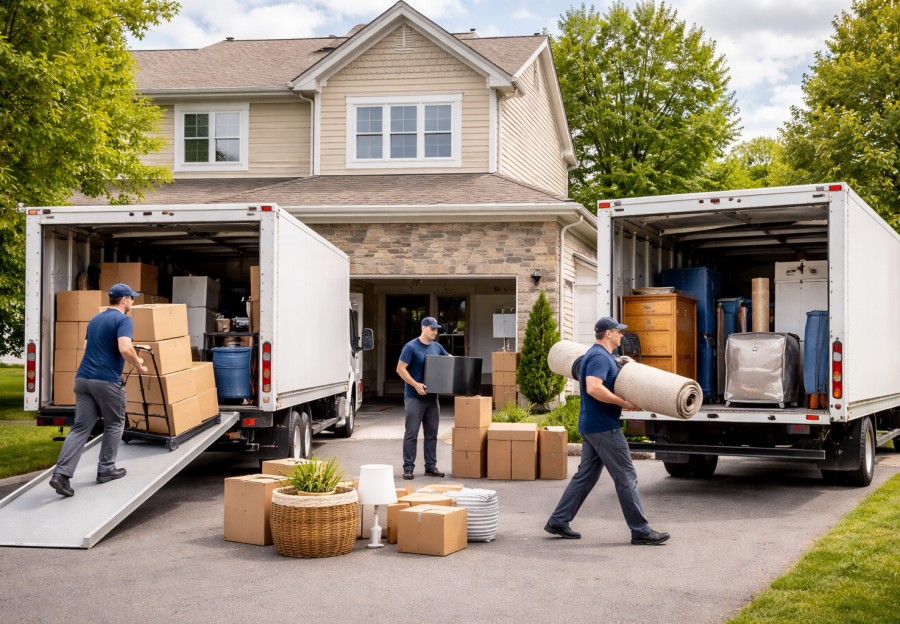
From the outside, loading a moving truck can look pretty simple. Boxes go in. Furniture follows. The door shuts. But that surface view misses most of the work that actually matters. Professional movers spend far more time thinking, planning, and adjusting during the loading process than most people realize. The physical labor is real, but the decisions behind it are what protect your belongings and keep the move on track.
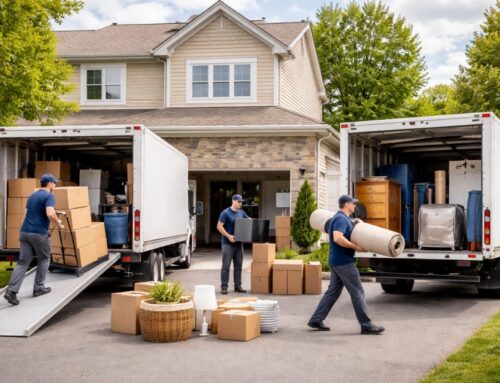
Before a single box is lifted, experienced movers are already making mental calculations. They are thinking about weight distribution, item durability, truck capacity, and the order everything will come off at the destination. The loading phase is not just about fitting things inside a truck. It is about preventing damage, injuries, and delays that can ripple through the entire move.
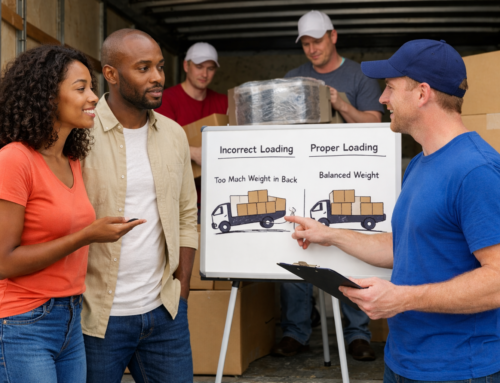
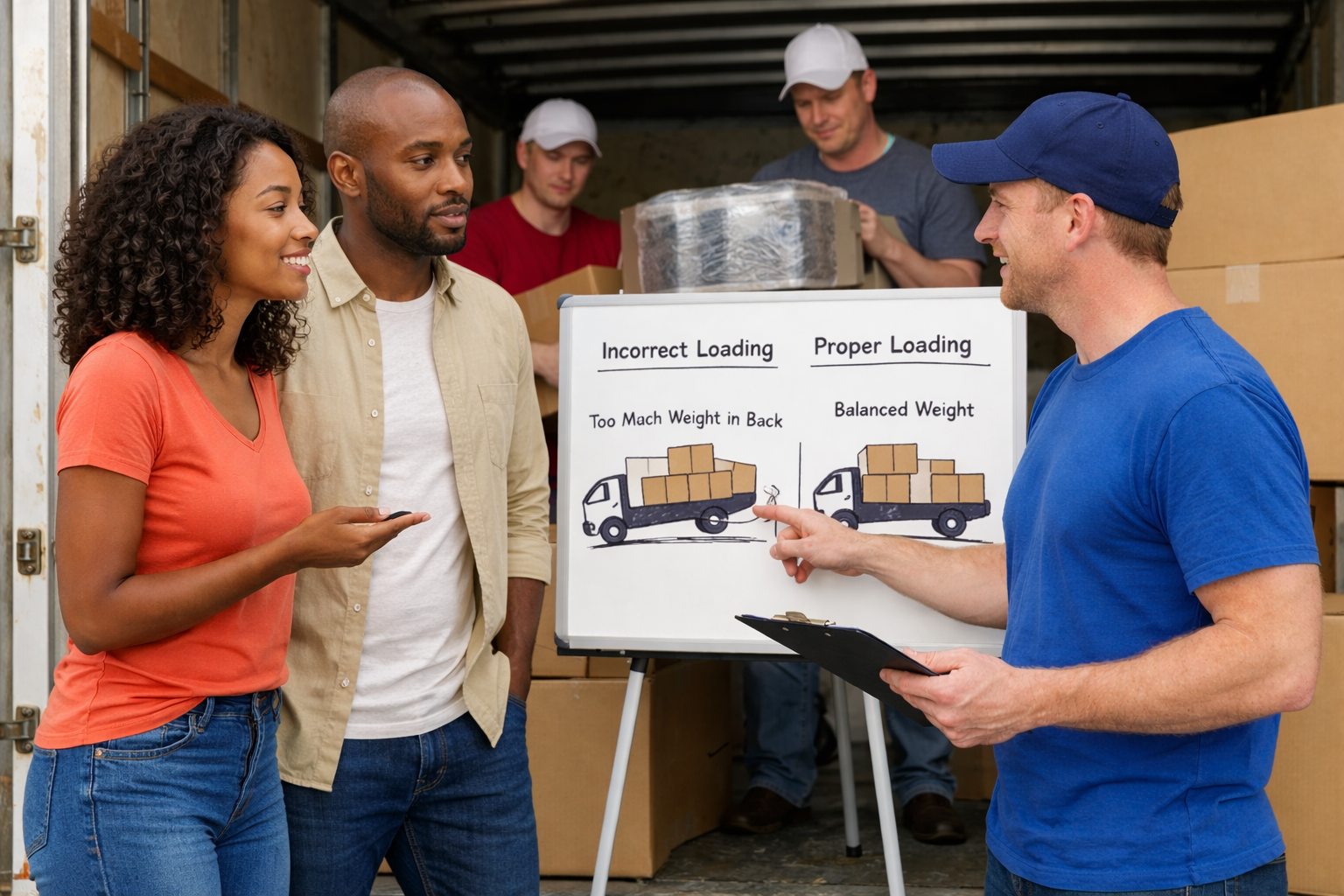
One of the first priorities is weight balance. A moving truck that is loaded unevenly is harder to control and more dangerous on the road. According to the National Highway Traffic Safety Administration, improperly loaded or overloaded vehicles significantly increase the risk of loss of control during sudden stops or turns. Movers load heavier items like appliances, safes, and solid wood furniture toward the front of the truck and low to the floor. Lighter items are stacked higher and toward the rear. This is not a habit. It is a safety requirement that protects both the cargo and everyone sharing the road.
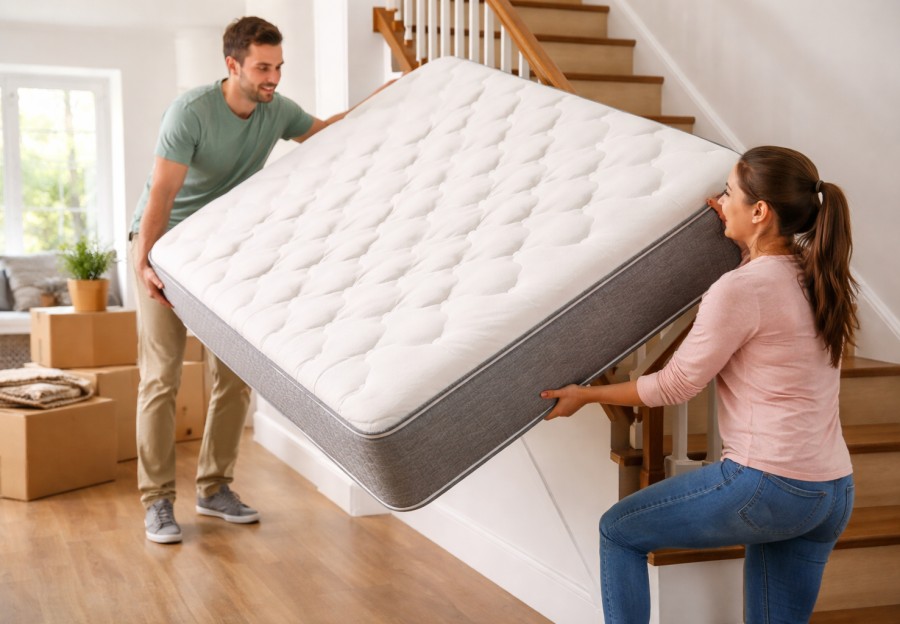
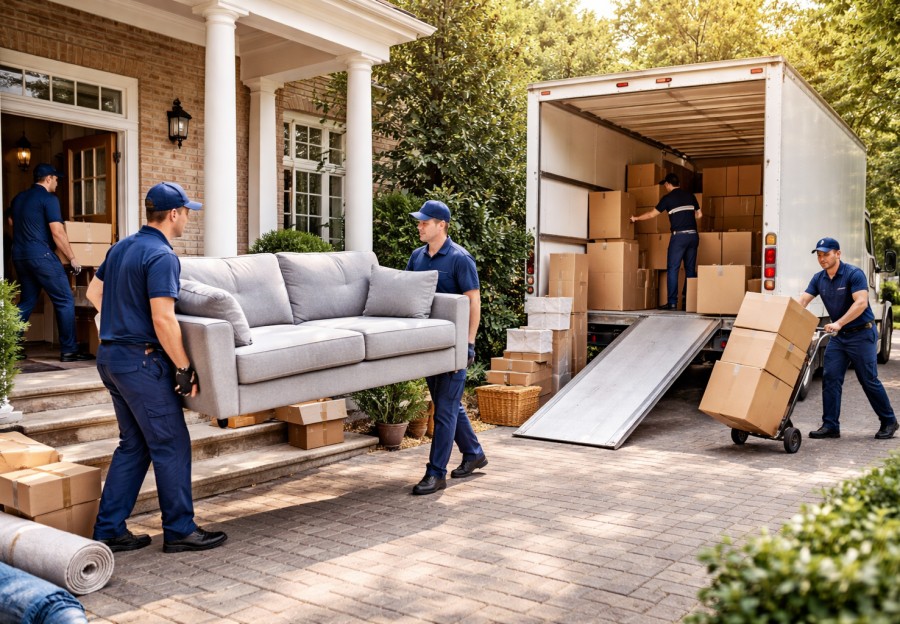
Furniture handling is another area where skill matters more than strength. Movers rarely carry large items straight from the house into the truck. They often disassemble bed frames, remove table legs, and detach headboards. This reduces stress on joints and prevents torque damage during transport. The American Home Furnishings Alliance reports that nearly one quarter of furniture damage during moves happens at stress points like legs, arms, and joints. Disassembly and proper padding dramatically reduce that risk.
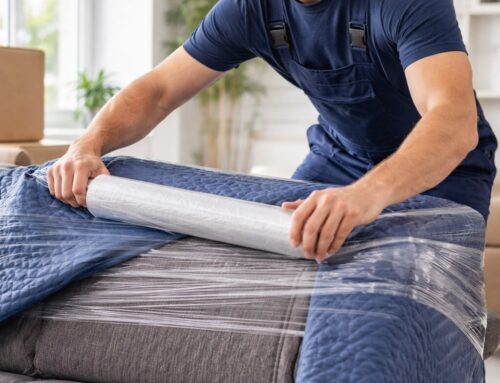
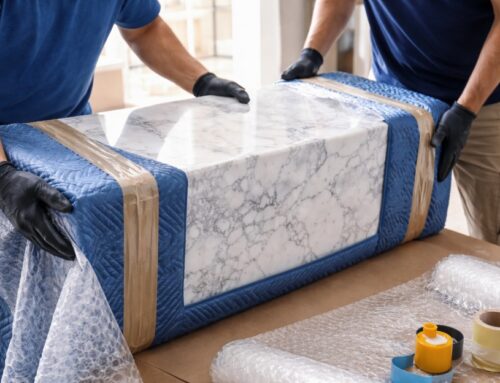
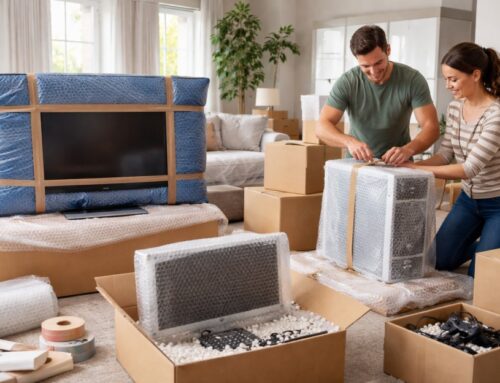
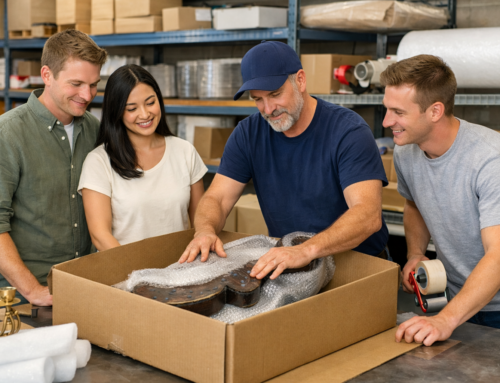
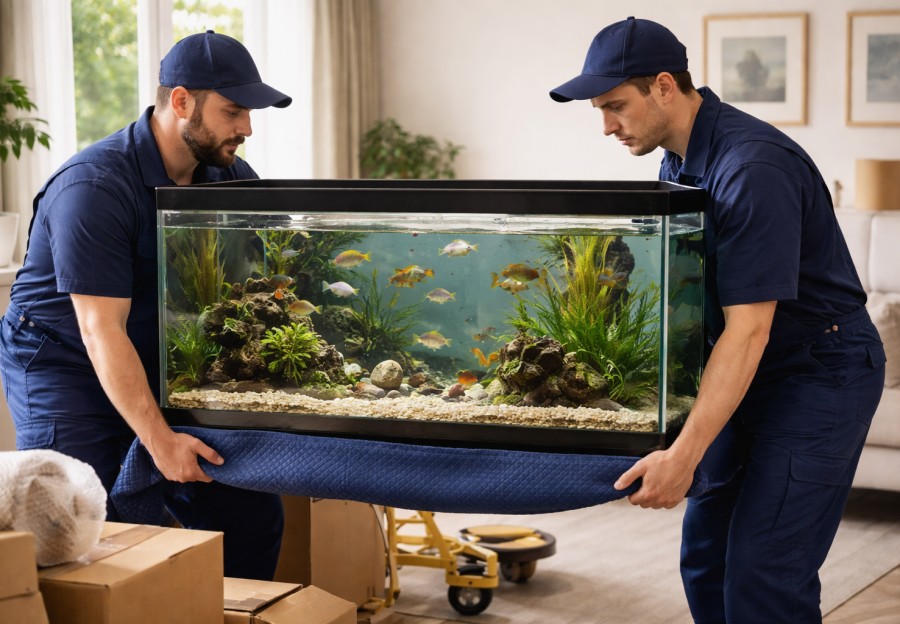
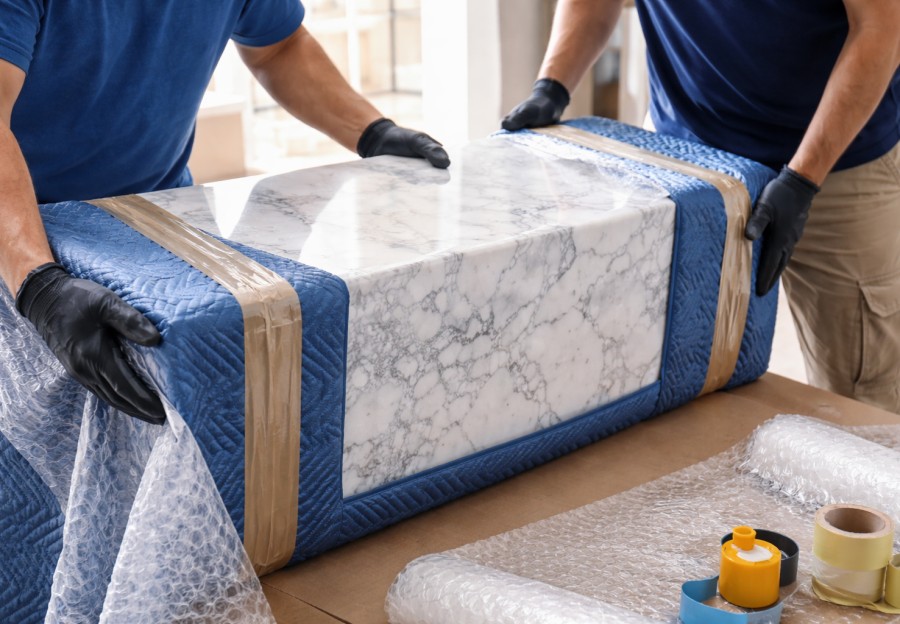
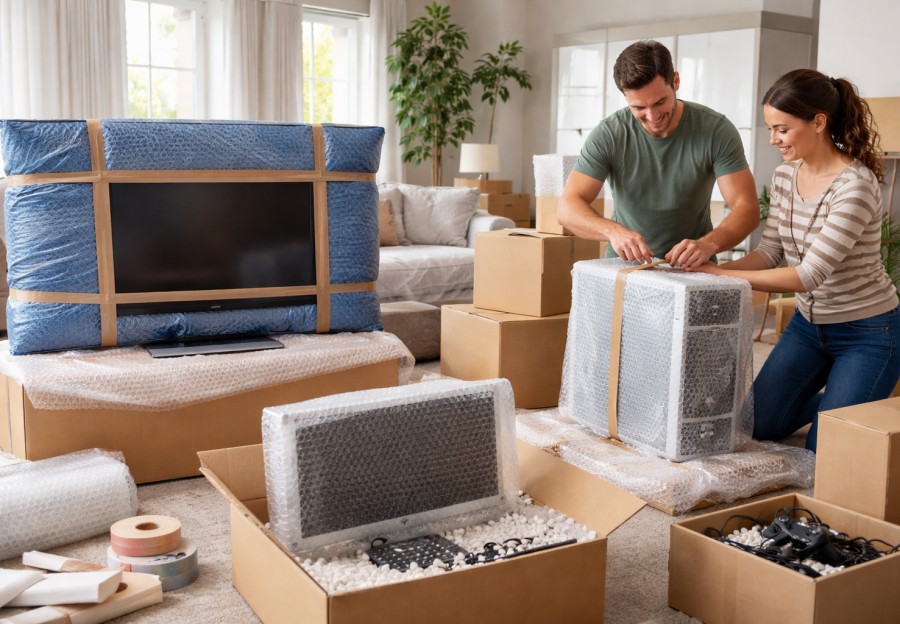
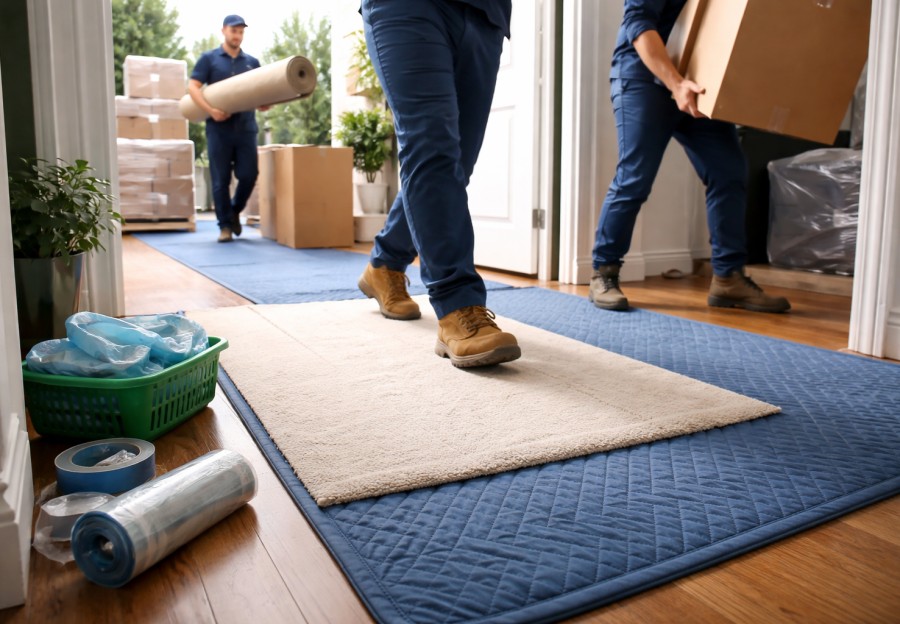
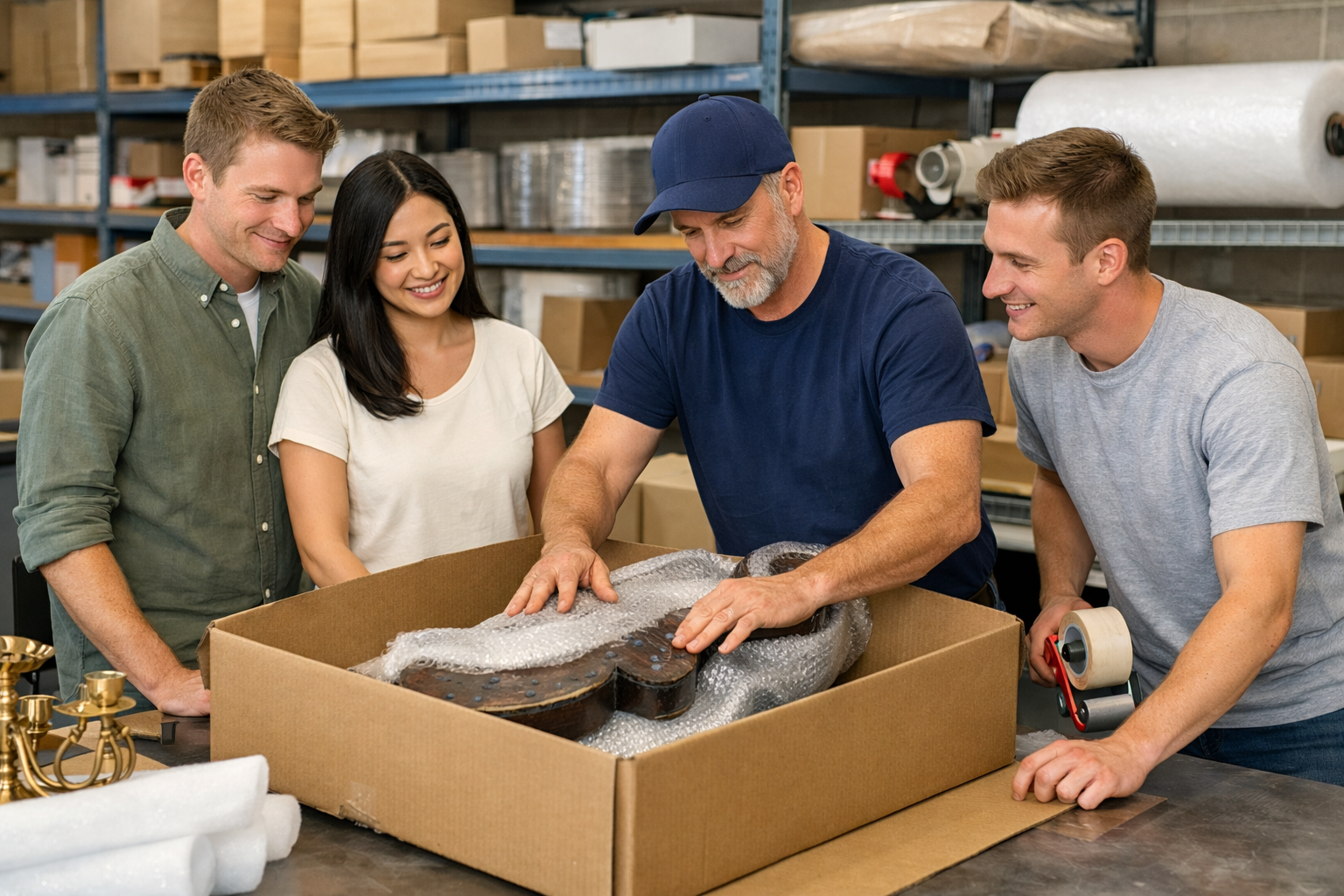
Padding itself is a precise process. Moving blankets are not just thrown over items at random. Movers wrap based on surface type and fragility. Wood furniture gets full blanket coverage to prevent scratches and dents. Upholstered pieces are protected from tearing and staining. Mattresses are bagged to keep out dirt and moisture. These steps slow the process slightly, but they prevent the kind of damage that leads to claims and frustration later.
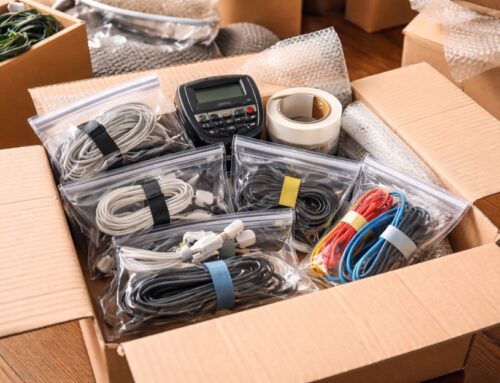
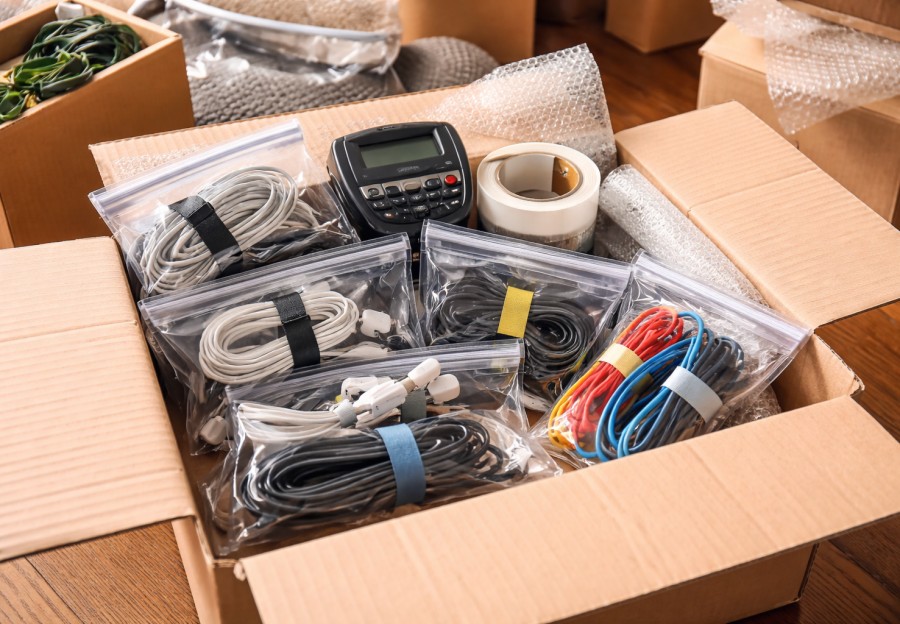
Boxes are not treated as identical units. Movers pay attention to what is inside them, even if they did not pack them. A box labeled as books carries far more weight than one filled with linens. Heavy boxes are stacked at the bottom and lighter ones on top. Fragile boxes are braced so they cannot shift. This matters because movement inside the truck is one of the leading causes of damage. A study by the International Safe Transit Association found that load shifting accounts for more than thirty percent of transit related damage in household moves.
Movers are also constantly thinking ahead to unloading. Items needed first at the new home are often loaded last. Furniture that blocks access to key rooms is positioned so it can be removed without dismantling half the truck. This planning saves time later and reduces the chance of rushed mistakes at the destination when everyone is tired and eager to be done.
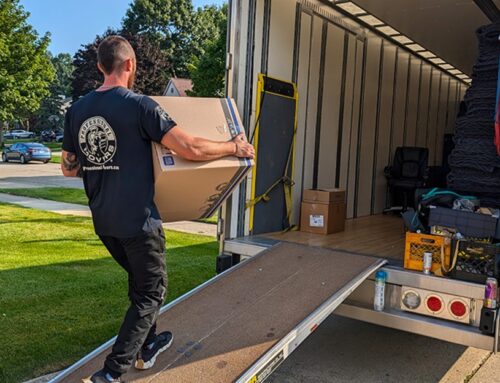
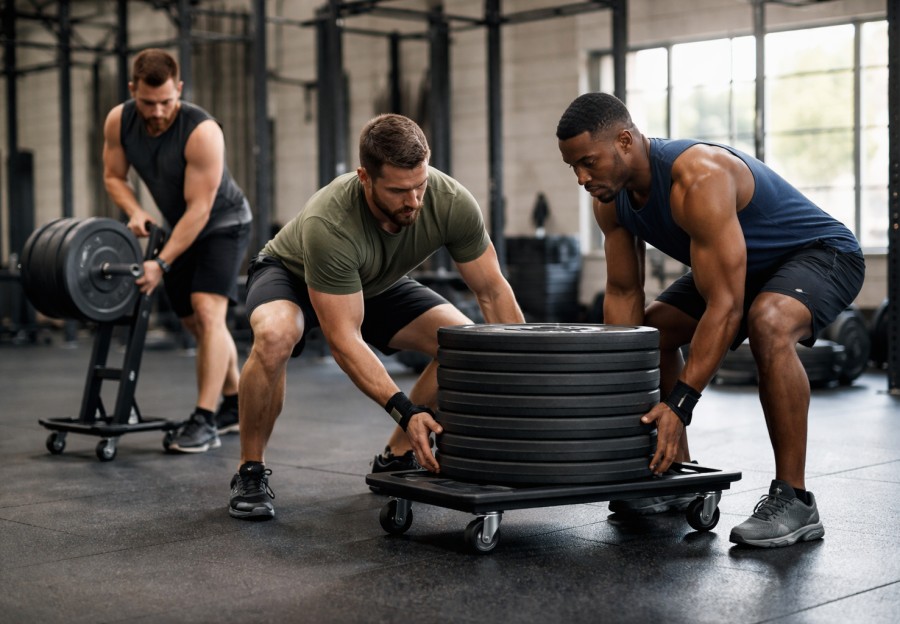
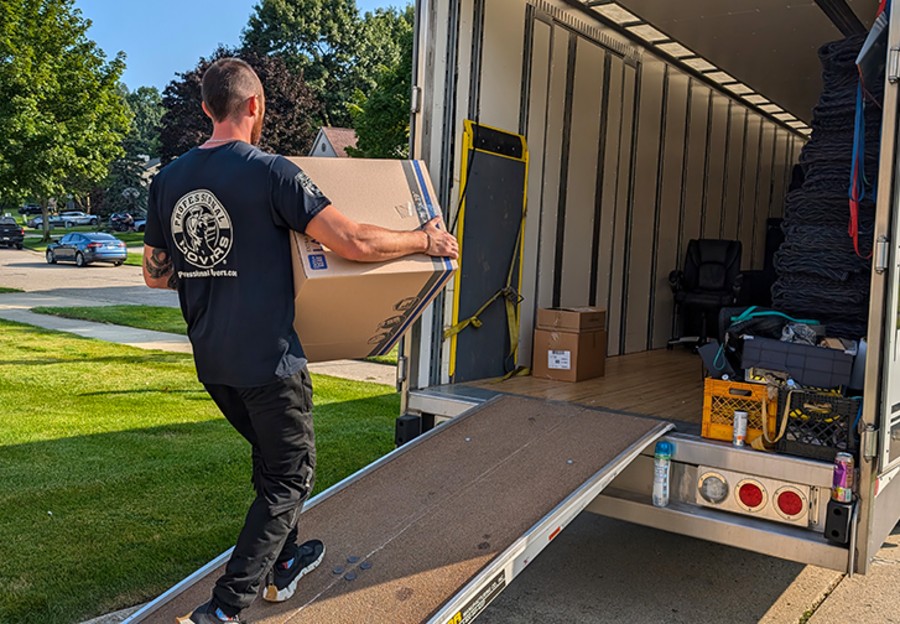
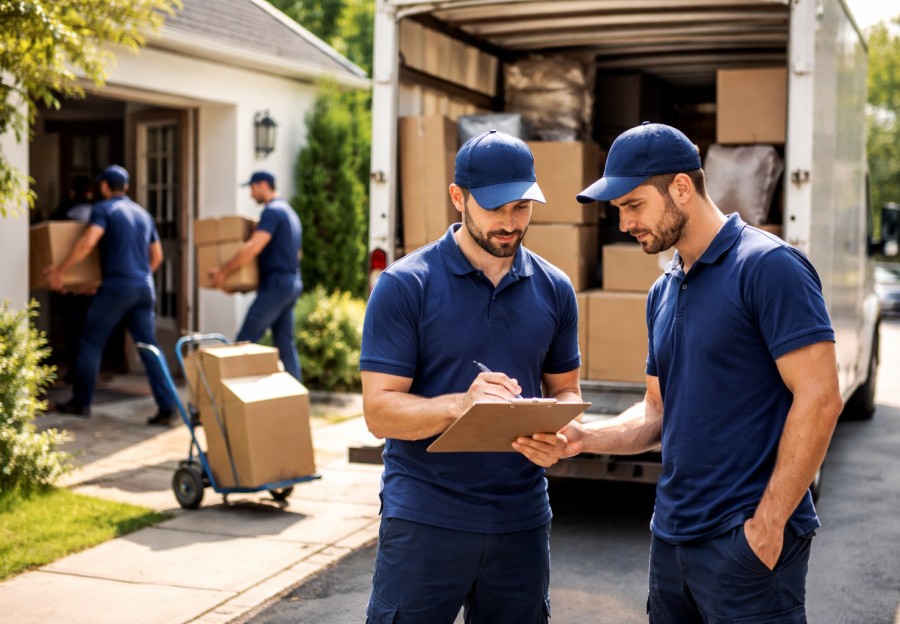
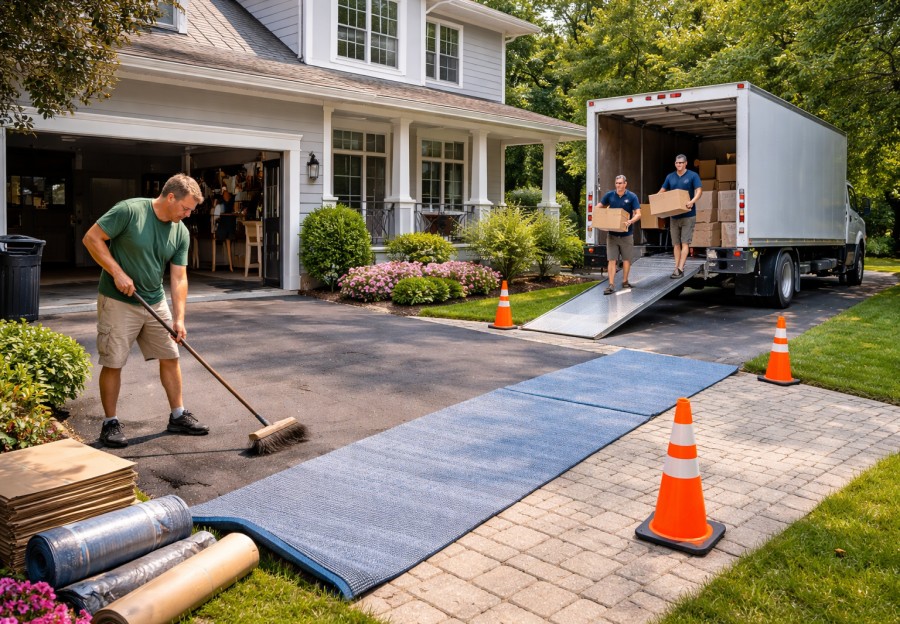
Safety during loading is a major focus as well. Moving is physically demanding, and injury risk is real. Data from the US Bureau of Labor Statistics shows that movers experience injury rates higher than the average for all occupations, with over one third of injuries involving strains and sprains from lifting. Professional movers use proper lifting techniques, dollies, straps, and ramps to reduce that risk. They work in teams, communicate constantly, and adjust when something feels unsafe. This protects them and it protects your belongings from being dropped or mishandled.
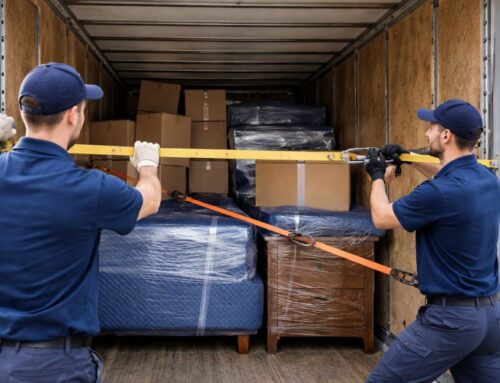
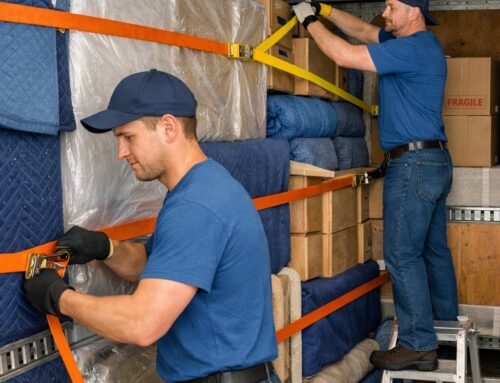
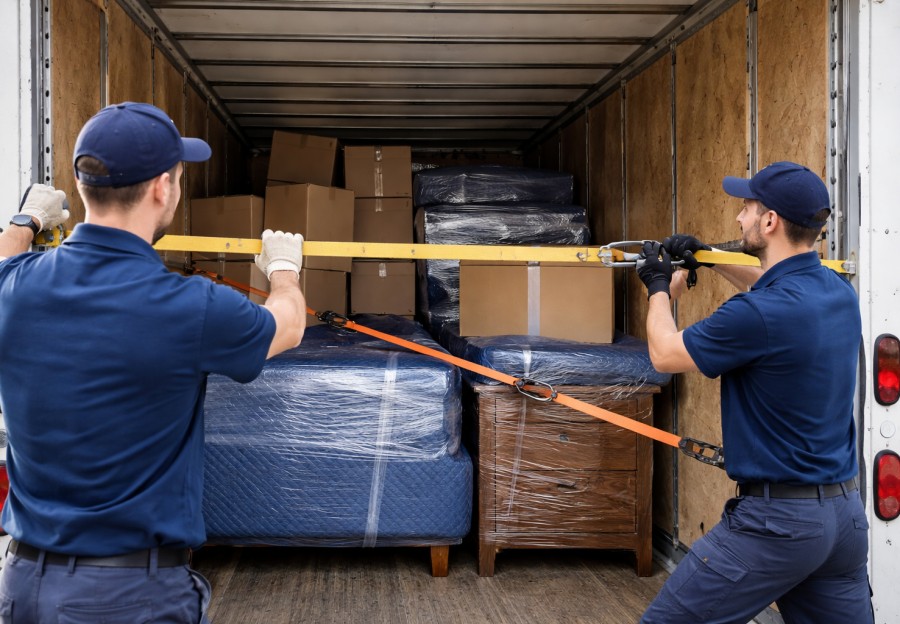
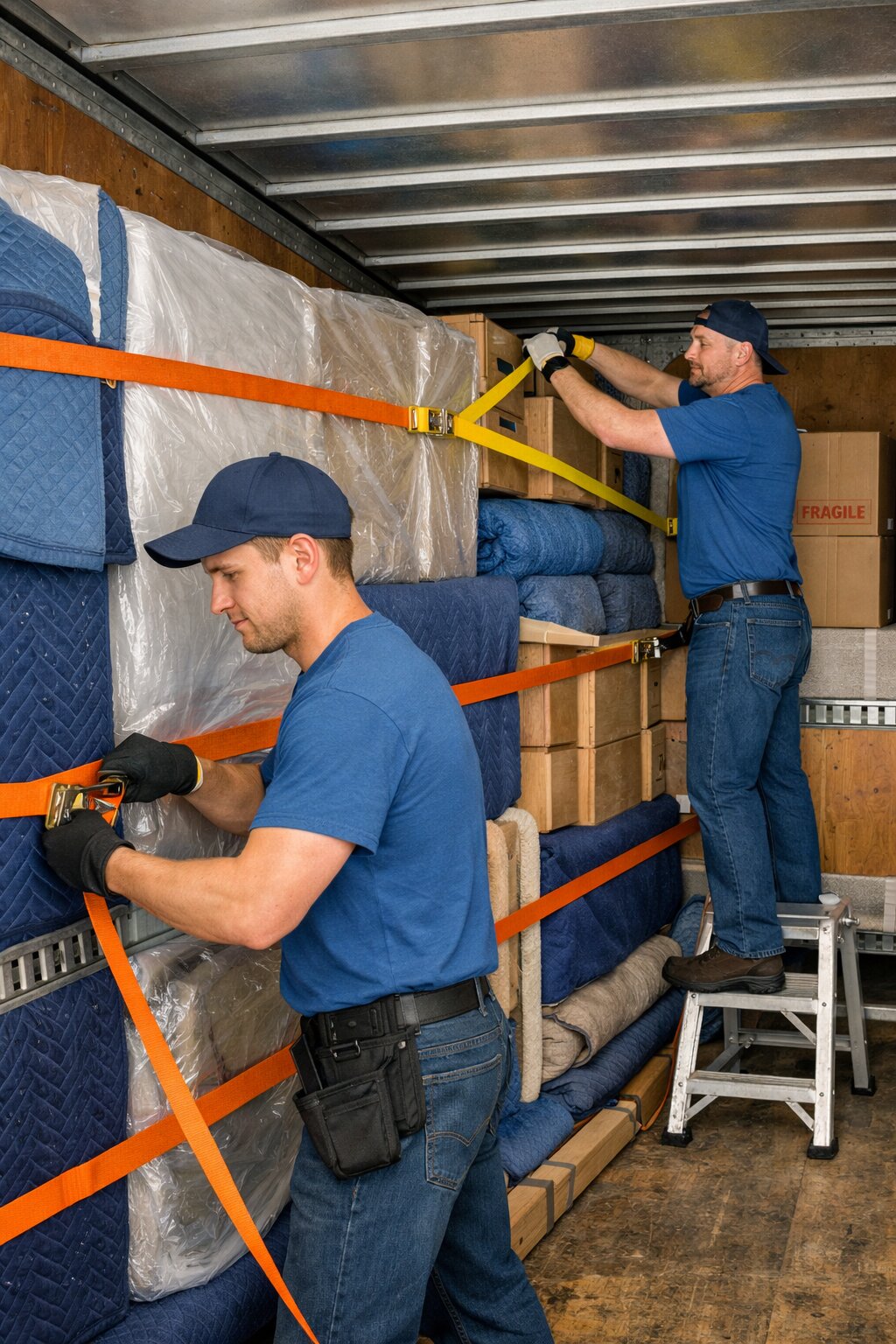
There is also a constant assessment happening as the truck fills up. Movers check for gaps that could allow items to shift. They use load bars and straps to lock sections in place. If something does not feel stable, it gets repositioned. This attention to detail is one reason professional moves tend to have lower damage rates than DIY efforts. According to industry insurance data, professionally handled moves result in significantly fewer claims per shipment compared to self moved loads, even though professional trucks often carry far more value.
By the time the truck door closes, the work of loading is complete, but the value of that work continues throughout the drive. A well loaded truck handles better, protects its contents, and unloads more efficiently. What looks like simple muscle work is actually a series of decisions built on experience, physics, and risk management.
When movers load your belongings, they are not just moving things from one place to another. They are actively reducing risk at every step. That is what separates professional loading from just putting items in a truck.