
January 22, 2026
Ways to make your move more efficient hour by hour
Moving day has a reputation for being chaotic, but it does not have to feel that way. One of the simplest ways to keep control is to think about the day in hours instead of as one overwhelming blur. When you break the move into chunks of time, decisions get easier, mistakes happen less often, and everyone involved knows what should be happening next. The goal is not perfection. It is steady progress without burning out halfway through the day.
The first hour of moving day sets the tone for everything that follows. This is the time to wake up earlier than you think you need, eat a real meal, and do a calm walkthrough of your home. Many people skip breakfast on moving day, but that choice tends to backfire. According to the American Journal of Clinical Nutrition, people who skip breakfast experience slower reaction times and reduced focus later in the day. That matters when you are lifting heavy furniture, coordinating schedules, and making quick decisions. This first hour is also when you confirm parking access, elevator reservations if applicable, and clear walkways. A few quiet minutes spent here can prevent delays that cost hours later.
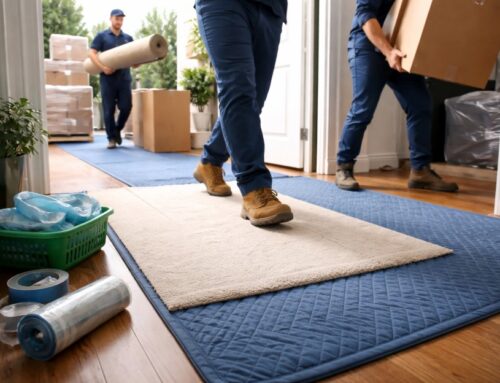
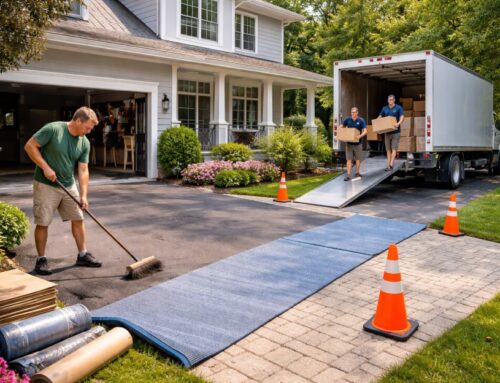
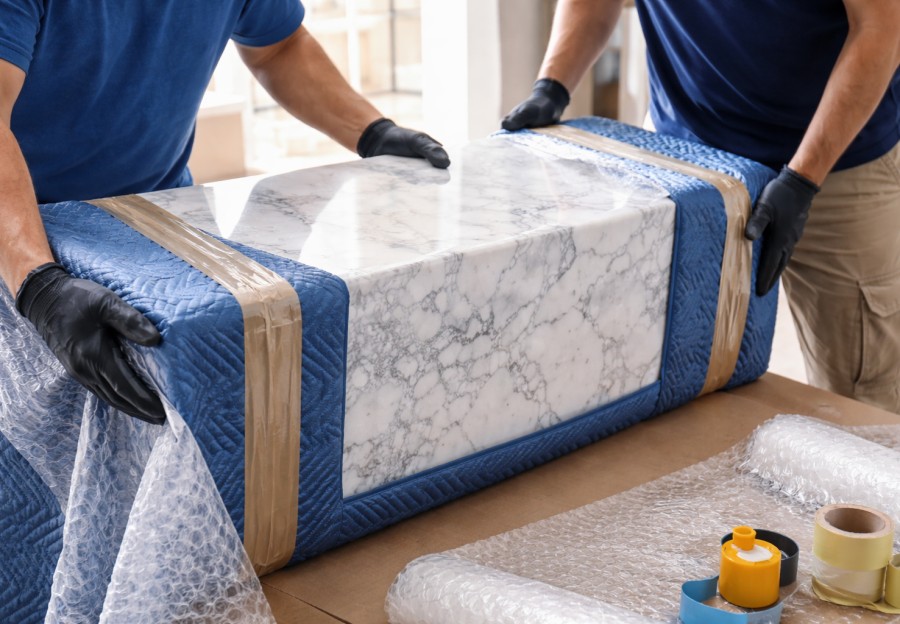
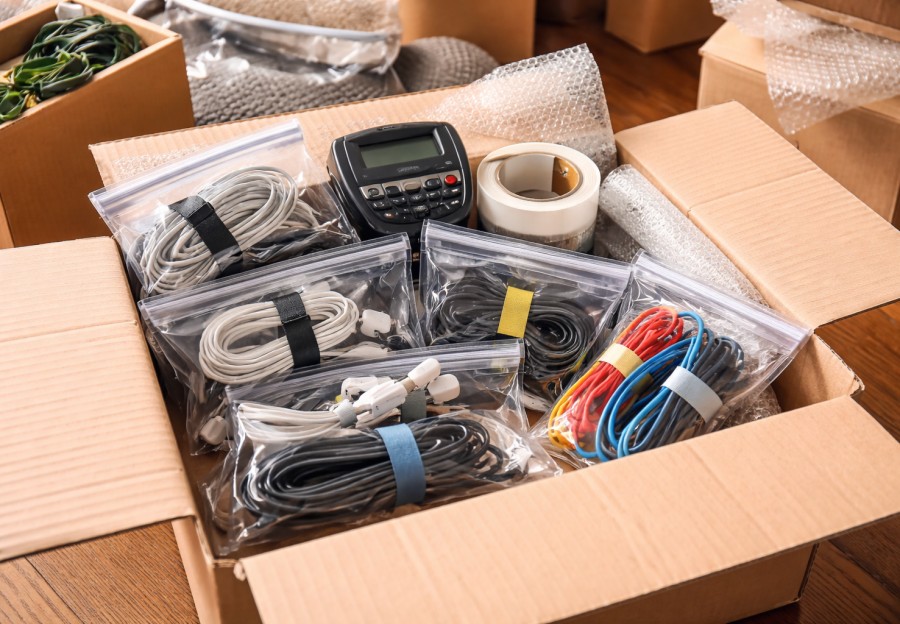
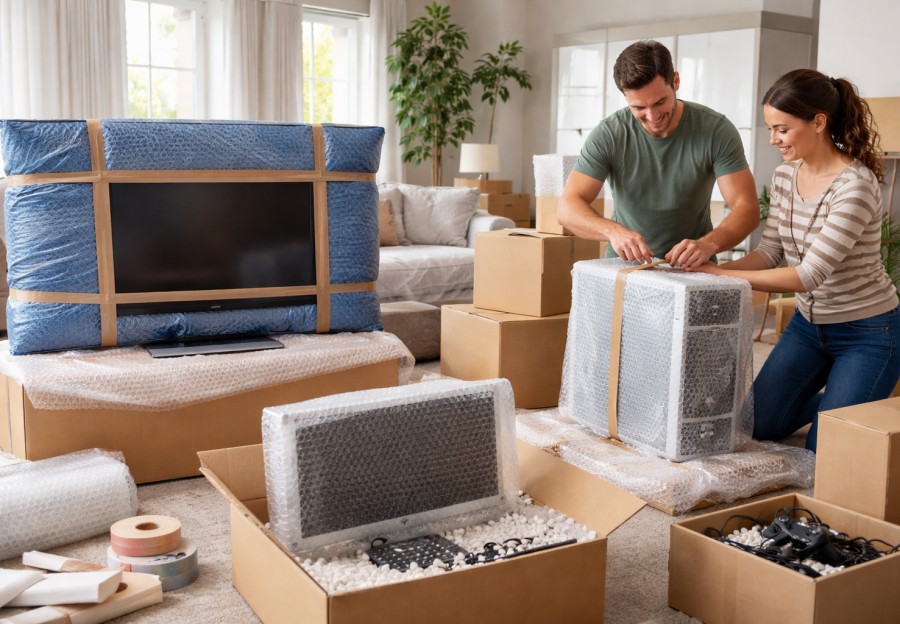
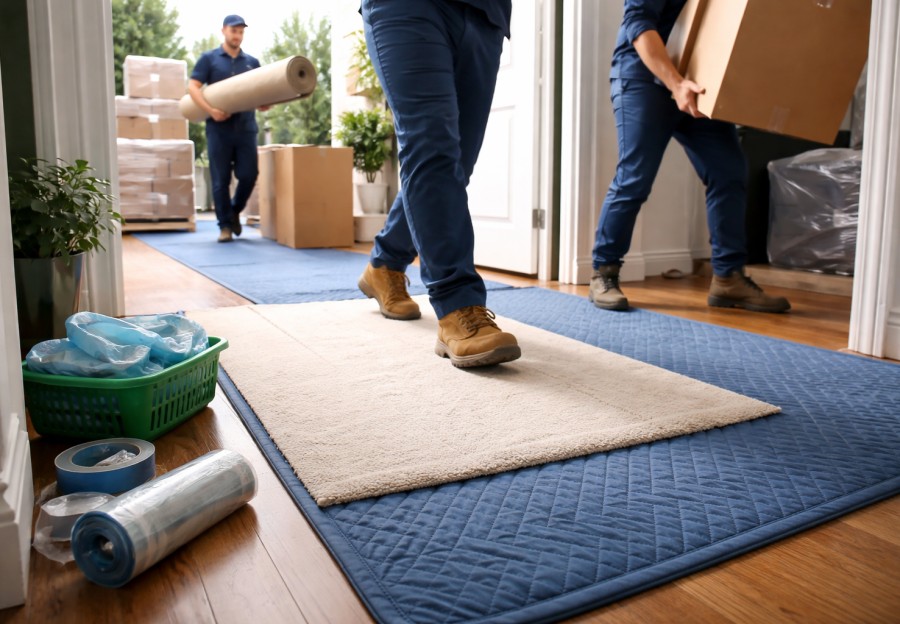
The second hour is about final packing and protecting the space. Even if most things were packed days ago, there are always last minute items. Phone chargers, toiletries, paperwork, and medications tend to get scattered right before a move. Designating one clearly labeled box for essentials reduces the risk of losing critical items. This is also the best time to protect floors and door frames. The National Association of Home Builders reports that interior door frames and flooring are among the most commonly damaged parts of a home during moves. Spending fifteen minutes laying down runners or padding corners is far faster than dealing with repairs or disputes after the fact.
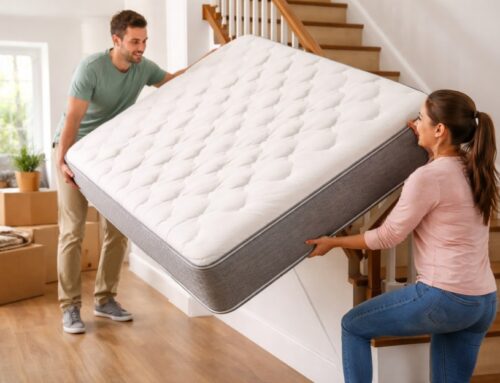
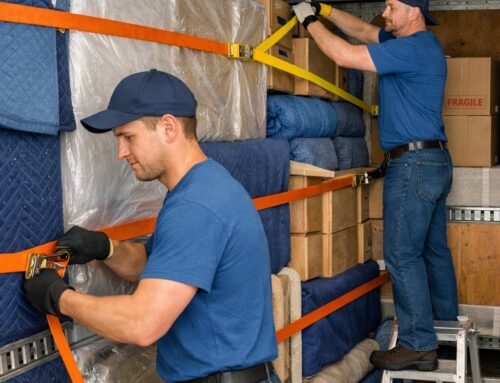
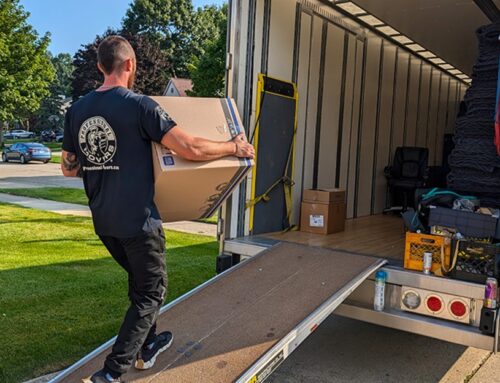
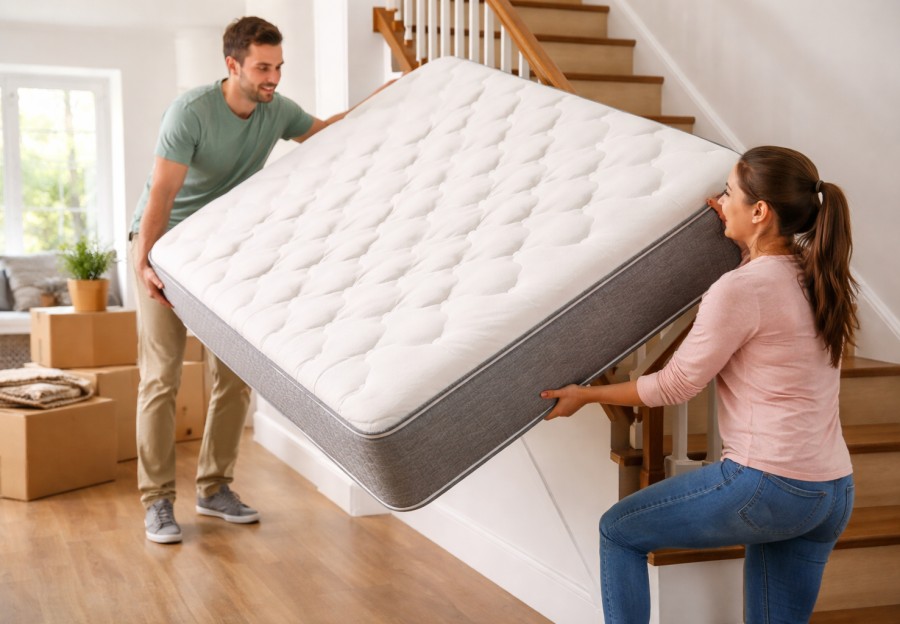
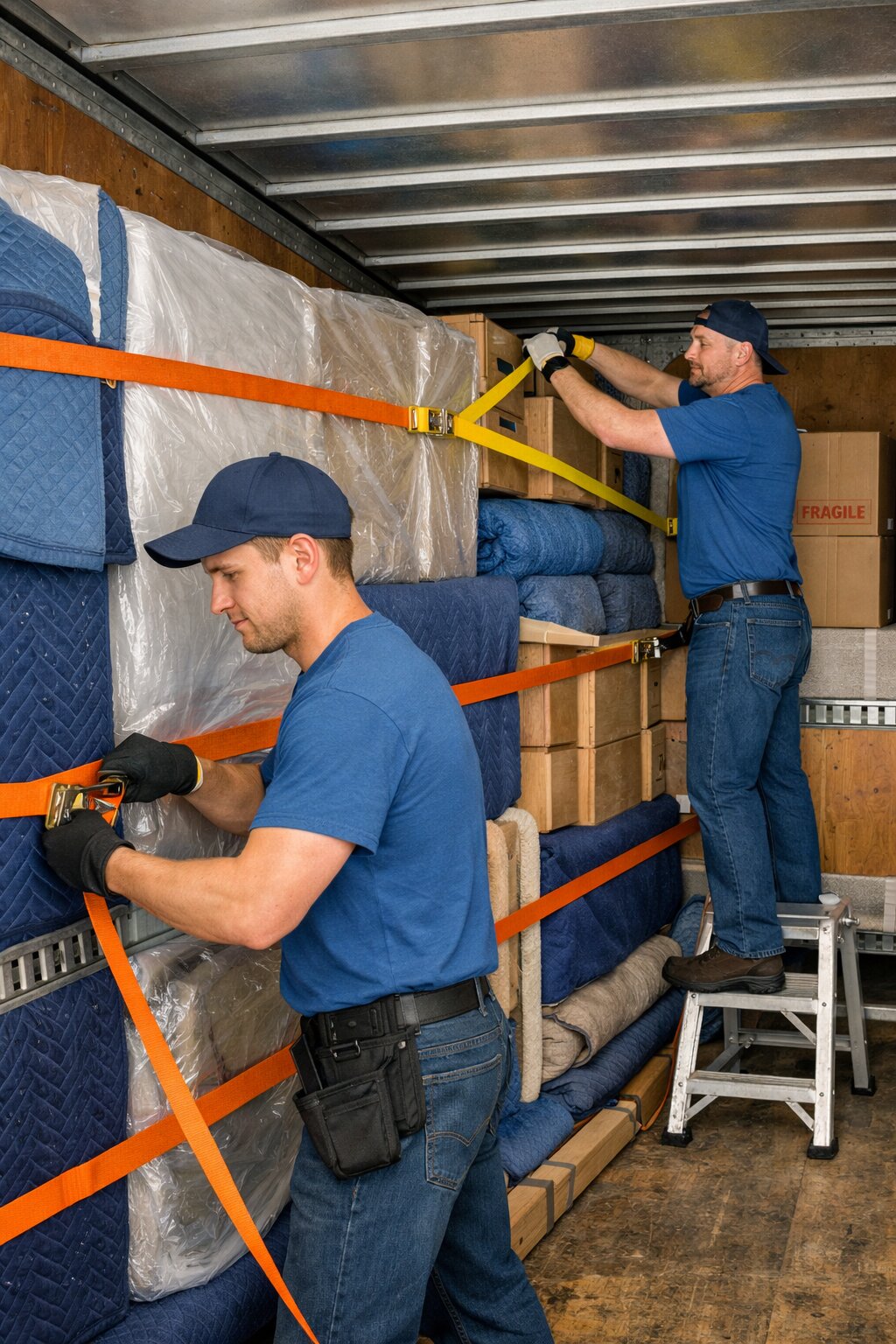
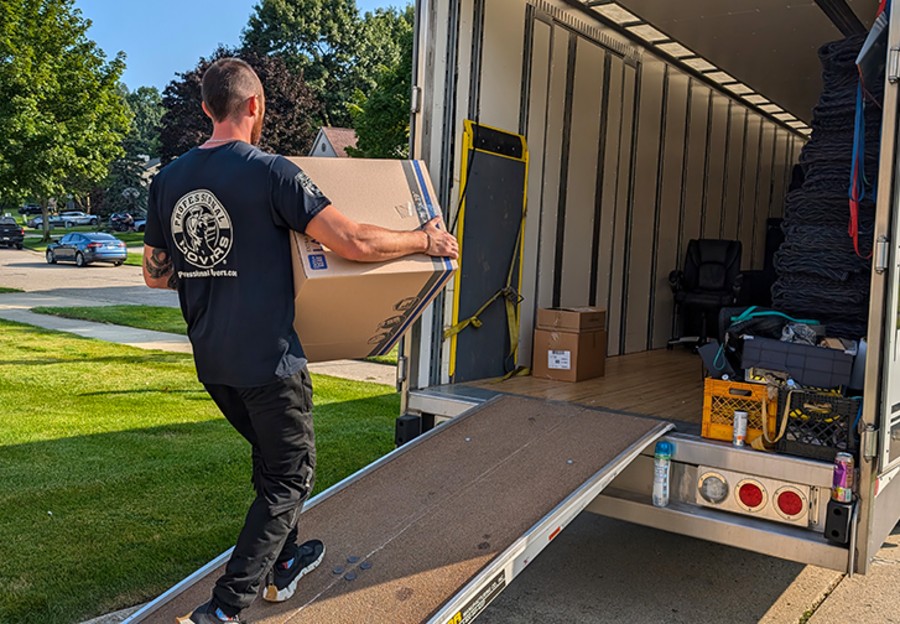
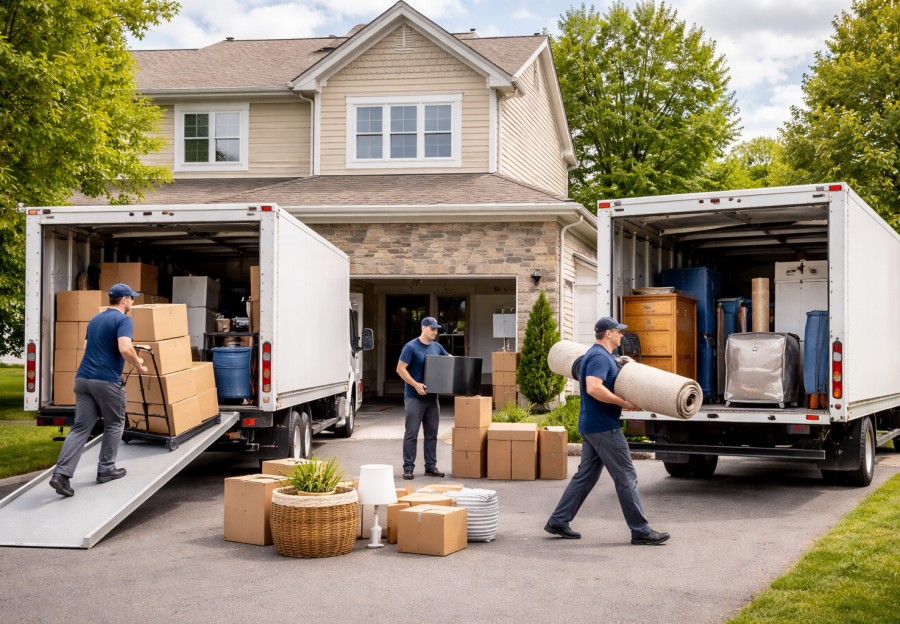
As the third and fourth hours roll in, loading begins in earnest. Efficiency here depends less on speed and more on order. Large furniture should move first so it does not block pathways. Mattresses and sofas act as natural buffers for fragile items when placed correctly inside the truck. Professional movers often load in a specific sequence because it reduces shifting during transport. The American Moving and Storage Association notes that improper loading is one of the leading causes of in transit damage, accounting for nearly a third of claims. Whether you are moving yourself or working with movers, paying attention to how items go on the truck protects your belongings and saves time at the other end.
By the fifth hour, fatigue usually starts creeping in. This is where many moves lose momentum. Short breaks are not a luxury at this point. They are necessary. Research from the National Safety Council shows that physical fatigue significantly increases the risk of injury during lifting tasks. A ten minute pause to hydrate and stretch can prevent strains that slow the rest of the day or even send someone to urgent care. This hour is also a good checkpoint. Take a moment to confirm that nothing essential was left behind and that all rooms are empty.
The sixth and seventh hours often involve transport and arrival at the new place. Travel time varies, but mental preparation matters just as much as physical readiness. When you arrive, resist the urge to unload everything at once without a plan. Direct boxes to the correct rooms as they come off the truck. This simple step can cut unpacking time dramatically. A study published in the Journal of Environmental Psychology found that clutter increases stress levels and makes it harder to focus on tasks. Putting items in their intended spaces from the start reduces that clutter and lowers stress during the critical first night.
As the eighth hour begins, unloading heavy furniture should already be winding down. This is when beds, seating, and basic kitchen items take priority. You do not need to unpack everything. You need to make the space livable. Setting up beds early has a real payoff. According to the Sleep Foundation, adequate sleep improves problem solving and emotional regulation the next day. After a long move, those benefits are not abstract. They directly affect how quickly you recover and get settled.
The final hours of the day should focus on safety checks and small wins. Make sure utilities are working, doors lock properly, and walkways are clear of boxes. Dispose of packing debris so it does not become a tripping hazard. At this point, progress matters more than perfection. Even partially unpacked rooms feel manageable if the essentials are in place and the environment feels calm.
Thinking about your move hour by hour does not mean rigidly watching the clock. It means understanding how energy, attention, and risk change throughout the day. When you match tasks to the right moments, the move becomes more predictable and far less exhausting. By the time the last hour ends, you may still be tired, but you will also feel like the day worked with you instead of against you.