March 16, 2026
Tips for moving collectible toys or memorabilia
Collectible toys and memorabilia sit in a special category of belongings. They are often small, but their value can be surprisingly high, both financially and emotionally. A limited edition action figure, a signed sports collectible, vintage comics, model cars, or rare figurines can represent years of careful collecting and thousands of dollars of investment. When it comes time to move, the risk is not just breakage. Sunlight, moisture, pressure, vibration, and careless handling can quietly reduce condition and resale value even if nothing looks obviously damaged at first glance.
The collectibles market itself shows why careful handling matters. According to market research from Statista and industry trade groups, the global collectibles market has grown into the tens of billions of dollars annually, driven by nostalgia, limited production runs, and rising resale demand. Condition plays a huge role in value. Price guides and auction data consistently show that even minor box creases, surface scuffs, or discoloration can reduce resale value by 20 to 50 percent or more depending on rarity. For sealed or graded items, packaging integrity often matters as much as the item itself.
The biggest enemy during a move is uncontrolled pressure. Boxes stacked under heavier loads slowly compress. Packaging engineering studies show that corrugated cardboard can lose more than 30 percent of its compression strength when exposed to moisture or uneven stacking pressure. Inside a moving truck, braking and vibration increase that stress. Transportation safety research shows that vertical load forces increase during sudden stops, which means bottom layers absorb more pressure than people expect. Collectibles packed at the bottom of tall stacks or in oversized boxes often suffer crushed corners, warped blister packs, or cracked plastic.
Choosing the right container size protects shape and surface quality. Smaller boxes limit stacking height and keep weight manageable. Oversized cartons invite overpacking and uneven pressure. When items cannot shift freely inside a box, vibration damage drops. Packaging vibration testing consistently shows that internal movement increases abrasion and micro impact damage over long drives even when no major bumps occur.
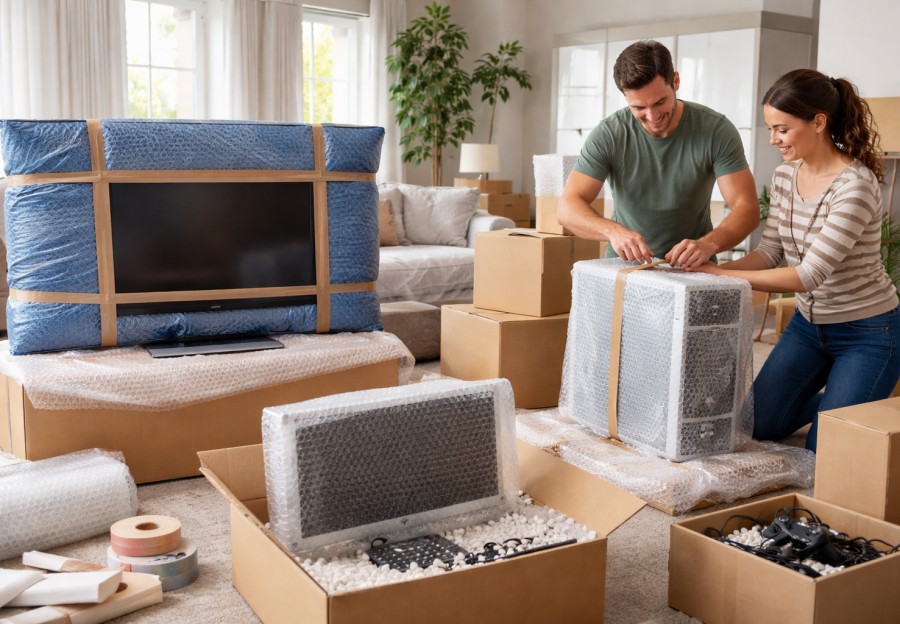
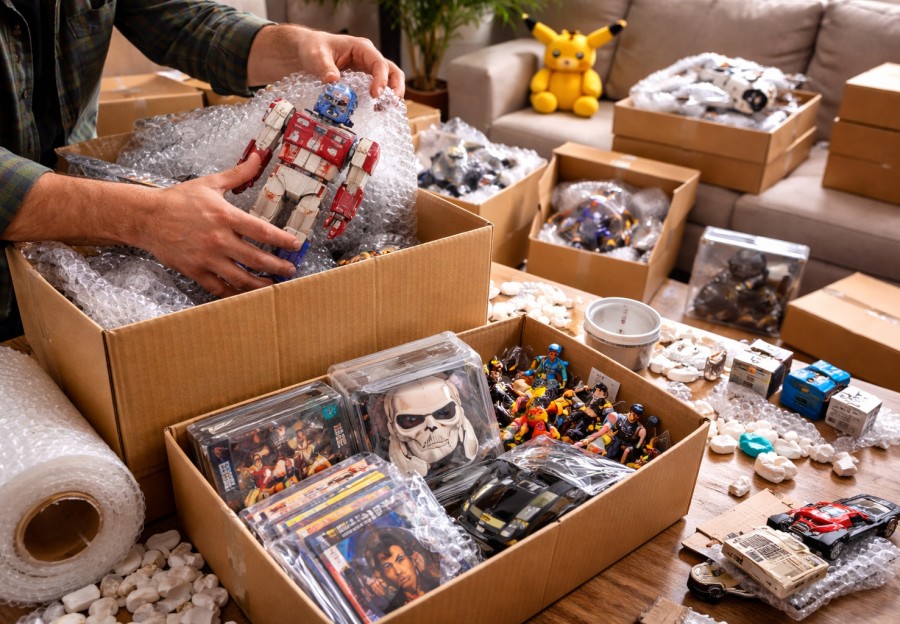
Internal support preserves shape for boxed and carded collectibles. Blister packs and cardboard backings bend when compressed. Supporting empty space inside packaging with clean paper or soft foam distributes pressure across a wider surface area. Physics explains why this helps. Pressure equals force divided by area. Increasing contact area lowers stress concentration on any single point of the packaging.
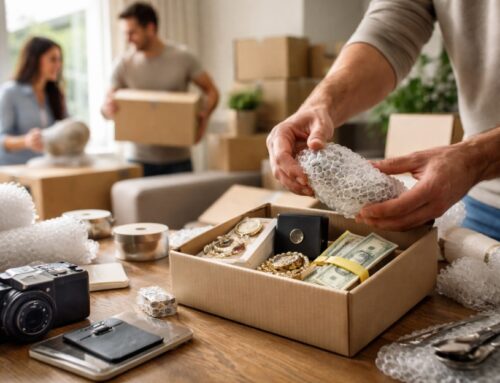
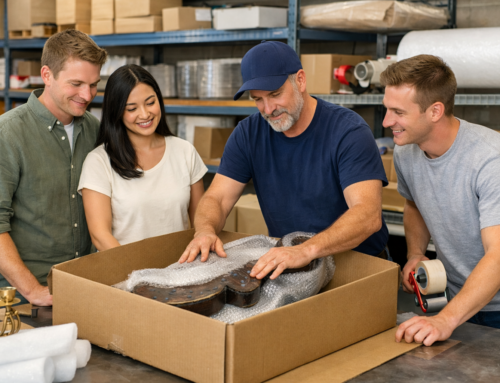
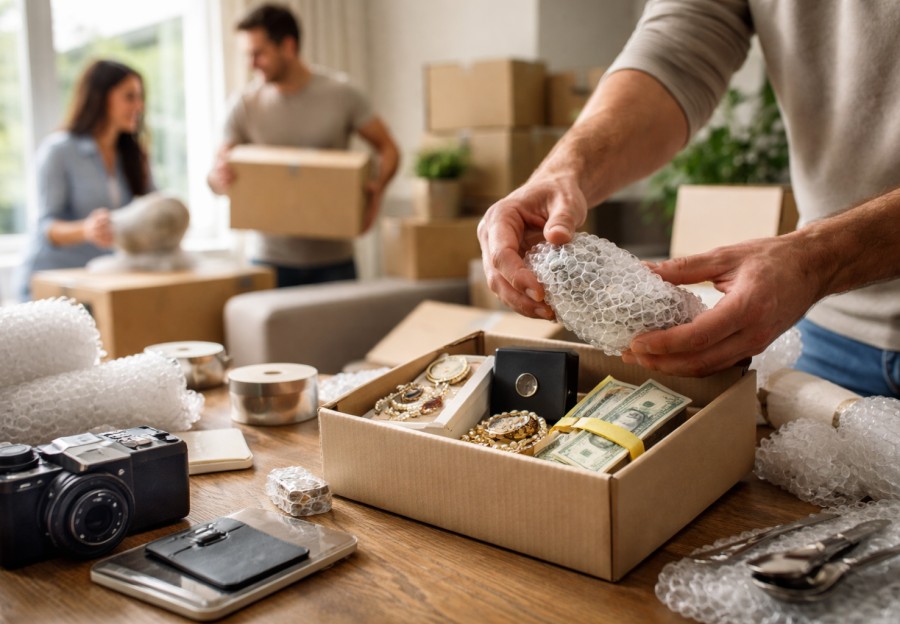
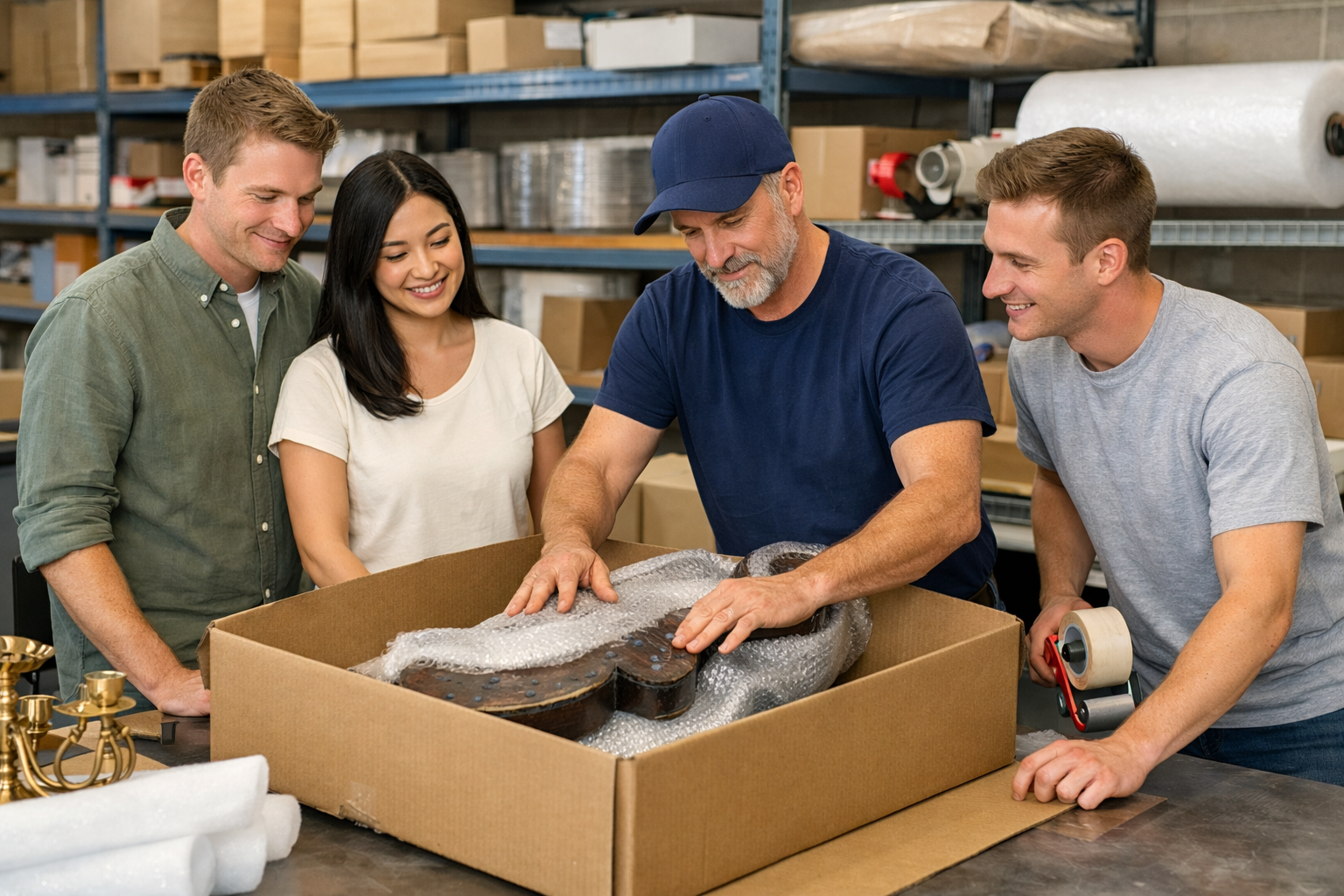
For loose figures, figurines, and models, surface protection matters as much as structure. Fine paint finishes scratch easily under friction. Materials wear studies show that repeated micro abrasion dulls gloss and creates visible surface haze over time. Wrapping each piece individually prevents contact damage and keeps painted edges crisp.
Moisture is another silent threat. Paper packaging, decals, and cardboard backings absorb humidity quickly. Vehicle interior temperature studies show that closed trucks can exceed outdoor temperatures by more than 20 degrees Celsius in under an hour under direct sun, then cool rapidly later. That temperature swing creates condensation risk inside sealed boxes. Damp cardboard loses strength and can warp permanently. Mold growth can begin within 24 to 48 hours in warm, humid conditions according to building materials research. Keeping collectibles dry, using breathable padding layers, and avoiding packing damp items prevents long term damage.
Sunlight exposure fades inks and plastics over time. Ultraviolet degradation studies show that prolonged UV exposure breaks down pigments and weakens polymers, leading to yellowing and brittleness. Even a few hours of direct sunlight through a truck window or staging area can accelerate fading on vintage packaging. Keeping collectibles covered and away from window exposure reduces that risk.
Temperature stability matters for plastics and adhesives. Many vintage toys use early plastics that become brittle in extreme cold and soften slightly in heat. Polymer durability research shows that repeated thermal cycling accelerates micro cracking and material fatigue. Avoid placing collectible boxes directly against truck walls where temperature swings are strongest.
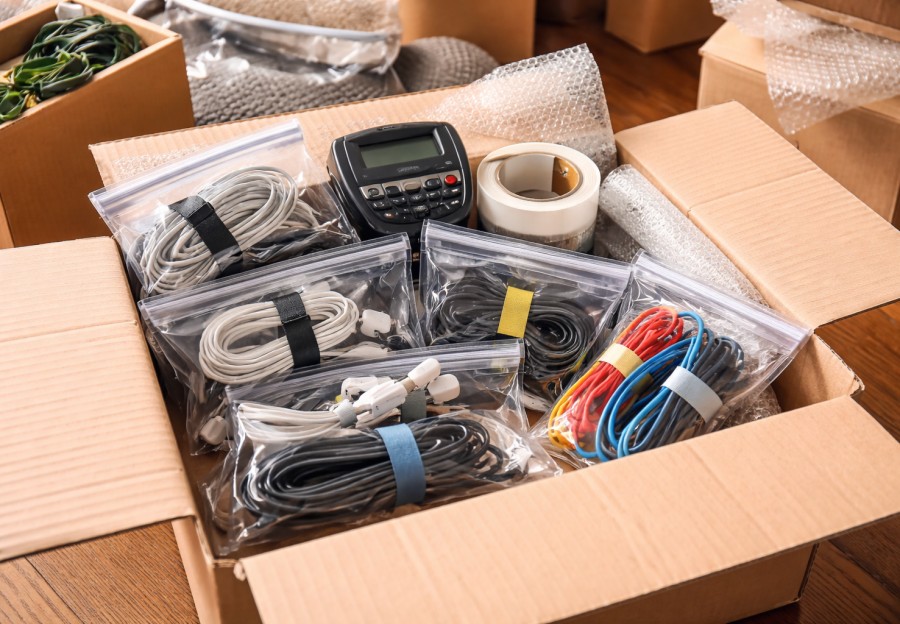
Organization reduces both stress and loss risk. Small items disappear easily during busy moves. Inventory control studies show that simple item tracking significantly reduces perceived loss anxiety and actual misplacement errors. Photographing high value items before packing provides condition documentation and speeds any insurance discussions if needed. It also gives you peace of mind when unpacking.
Labeling strategy deserves thought. Avoid advertising value on box exteriors. Risk management research shows that visible identification of valuables increases opportunistic theft risk in shared handling environments. Neutral labels protect privacy while still allowing you to track placement logically.
Weight discipline protects both packaging and people. A box filled with boxed figures or die cast cars can become deceptively heavy. Occupational safety data from the Bureau of Labor Statistics shows that overexertion injuries rise when loads exceed safe handling limits. Lighter boxes reduce drop risk and prevent corner collapse from sudden impacts.
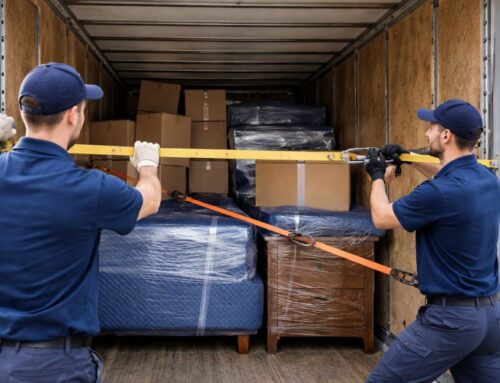
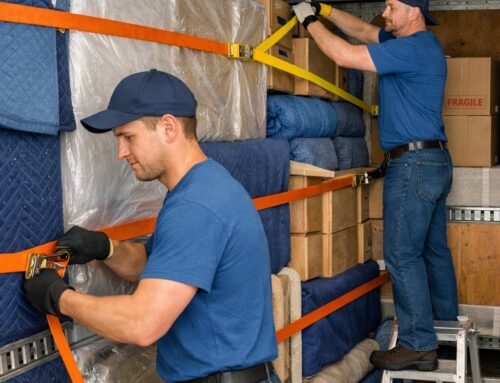
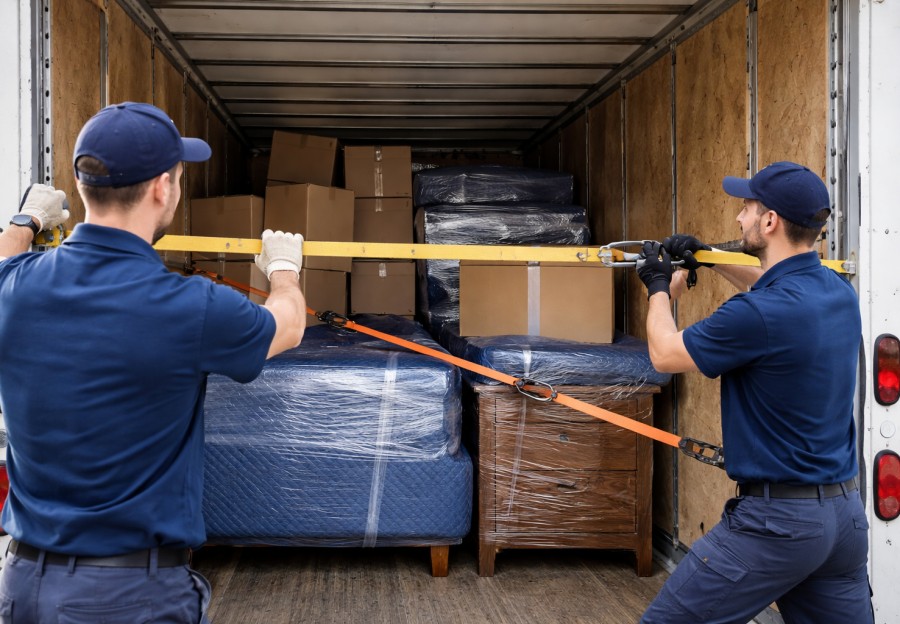
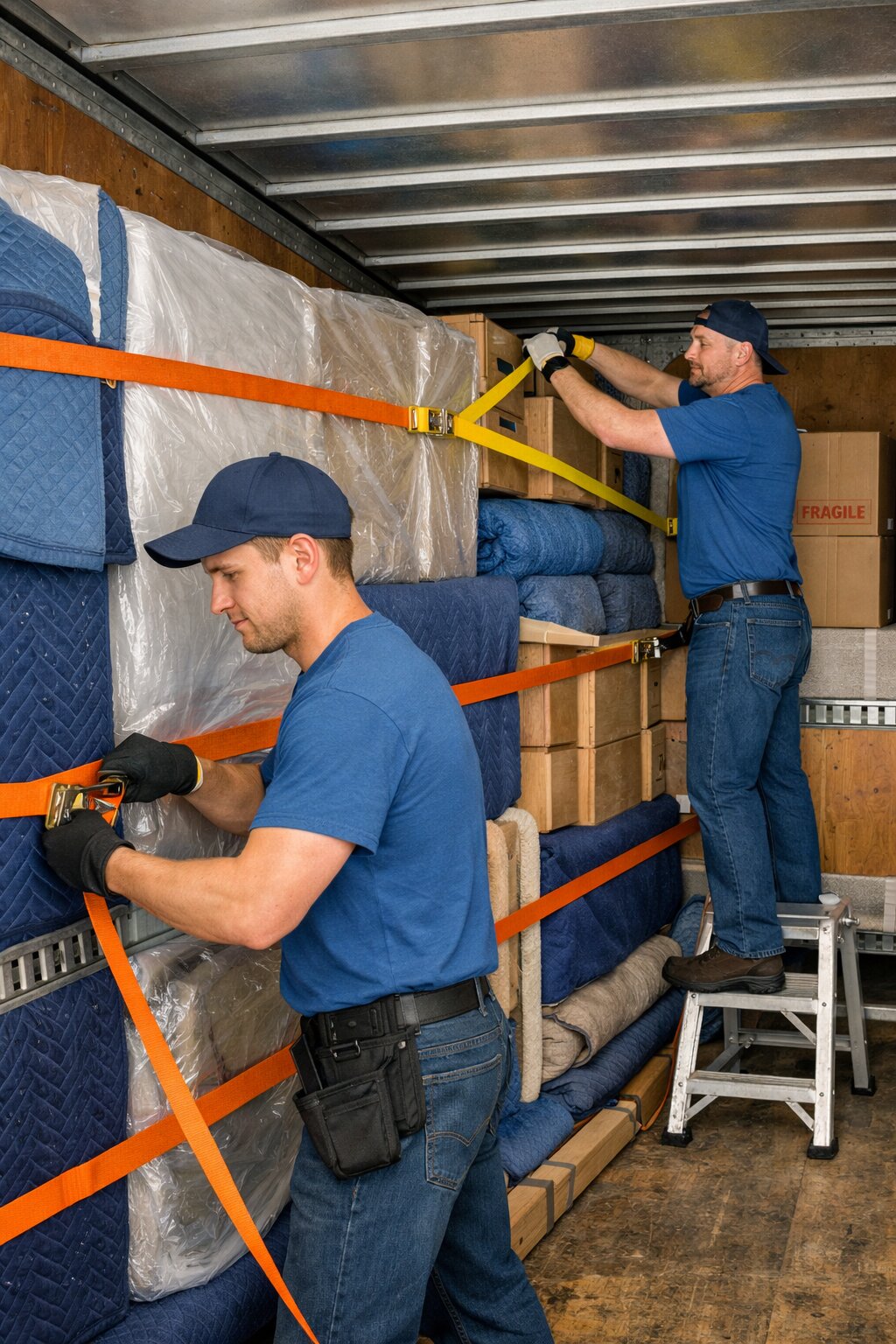
Stacking logic matters during staging and truck loading. Collectibles should ride above heavier household goods, ideally cushioned by soft items such as linens or clothing beneath them. Transportation vibration research shows that vibration amplitude is lower near the center of padded loads compared with rigid base layers. Avoid placing collectibles under furniture legs, appliance edges, or dense book cartons.
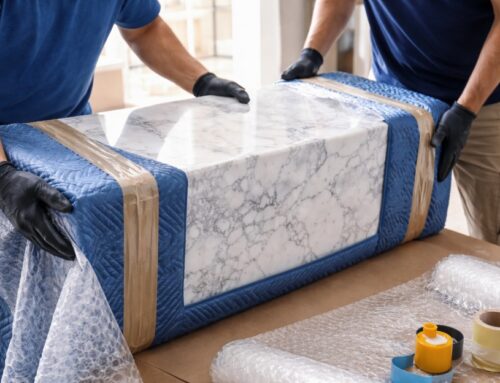
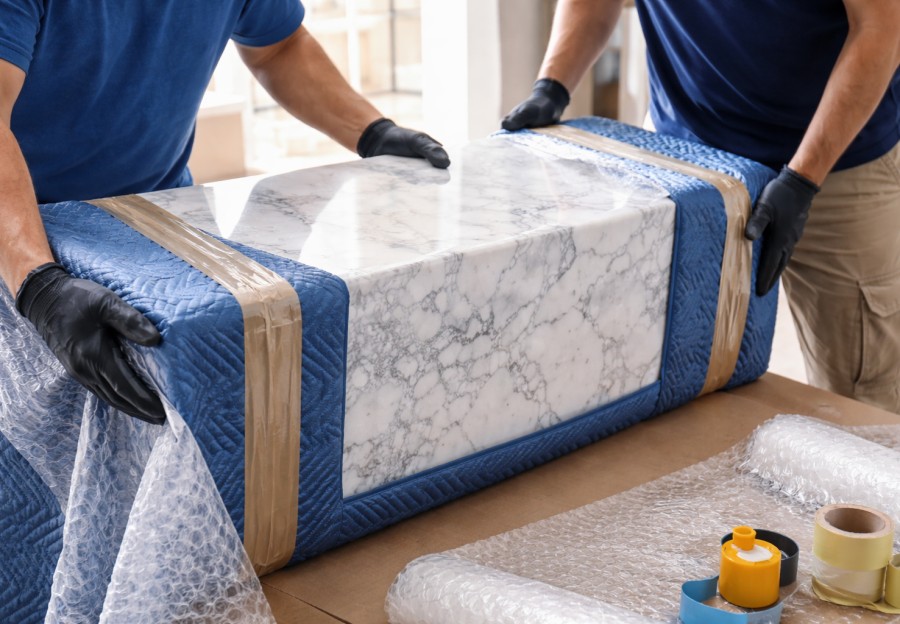
Rigid separation adds another layer of protection for high value items. Flat cardboard sheets or foam boards placed between layers distribute load evenly and prevent localized crushing. Packaging engineers use this same technique in palletized shipments to protect fragile consumer goods.
For graded collectibles in plastic slabs or display cases, edge protection is critical. Corners concentrate stress and crack first during impact. Cushioning these edges reduces breakage risk significantly. Drop testing data in packaging labs consistently shows that reinforced corners lower failure rates more than general padding alone.
Comics, trading cards, and paper memorabilia require flat support to prevent bending and edge curl. Archival handling standards recommend rigid backing and minimal humidity exposure for long term preservation. Storing these items vertically in snug boxes with rigid dividers prevents warping during transport.
Electronics based collectibles such as vintage game cartridges or handheld consoles deserve anti static and moisture control. Electronics reliability studies show that condensation accelerates corrosion and shortens component lifespan. Allow devices to cool fully before packing and avoid sealing them in airtight plastic when moisture may be present.
Timing also affects condition. Packing collectibles earlier rather than last minute reduces rushed decisions that lead to overfilled boxes and poor padding. Behavioral research shows that fatigue and time pressure increase error rates and reduce attention to detail. Calm packing preserves quality.
Unpacking should be deliberate as well. Allow boxes to acclimate to indoor temperature before opening if they traveled through extreme heat or cold. Sudden temperature change increases condensation risk on plastic and paper surfaces. Inspect items under good lighting and return them to protective display or storage promptly.
Insurance awareness matters for peace of mind. Many basic moving policies reimburse based on weight rather than collectible value. Industry surveys show that collectors often underestimate this gap until after a claim occurs. Reviewing coverage options or adding a rider for high value items protects financial exposure.
There is also a financial incentive beyond damage prevention. Auction and resale data shows that collectibles maintained in near mint condition command significant premiums over identical items with minor wear. Protecting packaging corners, surface gloss, and color stability preserves long term value.
Environmental responsibility plays a role too. The toy and collectibles industry generates significant plastic and packaging waste when damaged items are discarded. Sustainability studies show that extending product lifespan reduces landfill contribution and manufacturing emissions. Careful handling supports both value preservation and environmental impact reduction.
Psychologically, protecting collectibles reduces a unique form of moving stress. These items often represent personal history and identity. Stress research shows that perceived loss of meaningful possessions increases emotional strain during major life changes. Preserving them intact supports emotional stability during relocation.
Moving collectible toys or memorabilia safely comes down to controlling pressure, vibration, moisture, temperature, light exposure, and handling quality. Right sized boxes prevent overloading. Internal support preserves shape. Individual wrapping prevents abrasion. Moisture control protects cardboard and decals. Strategic stacking avoids compression. Neutral labeling protects privacy. Documentation supports confidence. Careful unpacking preserves condition.
Collectibles reward patience and respect. They survived years or decades before your move, and with thoughtful preparation grounded in real materials science and logistics data, they will arrive in the new space ready to be displayed, enjoyed, and preserved for the next chapter of your collection.