
March 3, 2026
How to safely move valuables without stress
Valuables carry more than price tags. They often hold memories, irreplaceable data, or sentimental meaning that cannot be replaced with an insurance check. Jewelry, heirlooms, artwork, important documents, collectibles, and high end electronics all create extra anxiety on moving day because a small mistake can turn into a big loss. The good news is that stress drops sharply when you rely on proven handling habits backed by real data rather than guesswork.
The scale of moving helps explain why caution matters. The American Moving and Storage Association estimates that more than 31 million people relocate each year in the United States. Insurance industry summaries consistently show that high value claims most often involve electronics, glass, and personal valuables rather than bulky furniture. That tells us the risk is concentrated in small, sensitive items that need thoughtful handling rather than brute strength.
The first stress reducer is deciding what truly qualifies as a valuable in your home. Monetary value is obvious, but emotional and data value often outweigh replacement cost. Passports, birth certificates, legal papers, hard drives, family photos, jewelry, collectibles, cameras, and small electronics should be treated as a personal carry category rather than part of the general move. Risk management research shows that separating critical assets from bulk transport lowers loss probability dramatically because fewer people handle them and fewer transfer points exist.
Documentation protects peace of mind as much as packing does. Take clear photos of valuable items before packing. Insurance data shows that claims resolve faster when condition documentation exists because disputes over pre existing damage drop significantly. Even simple phone photos create a reliable record that reduces uncertainty later.
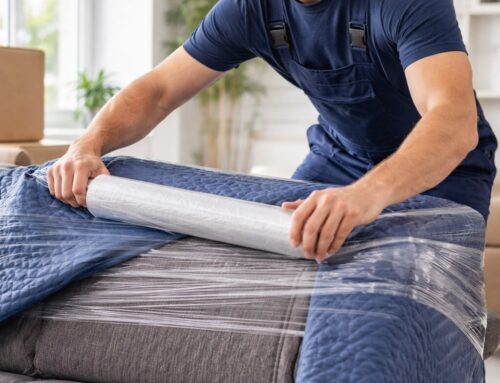
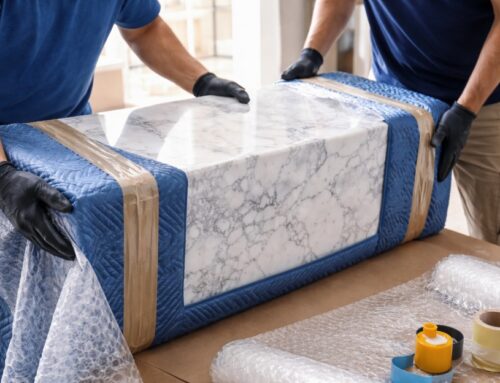
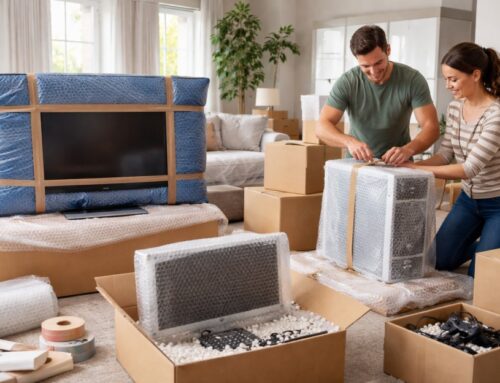
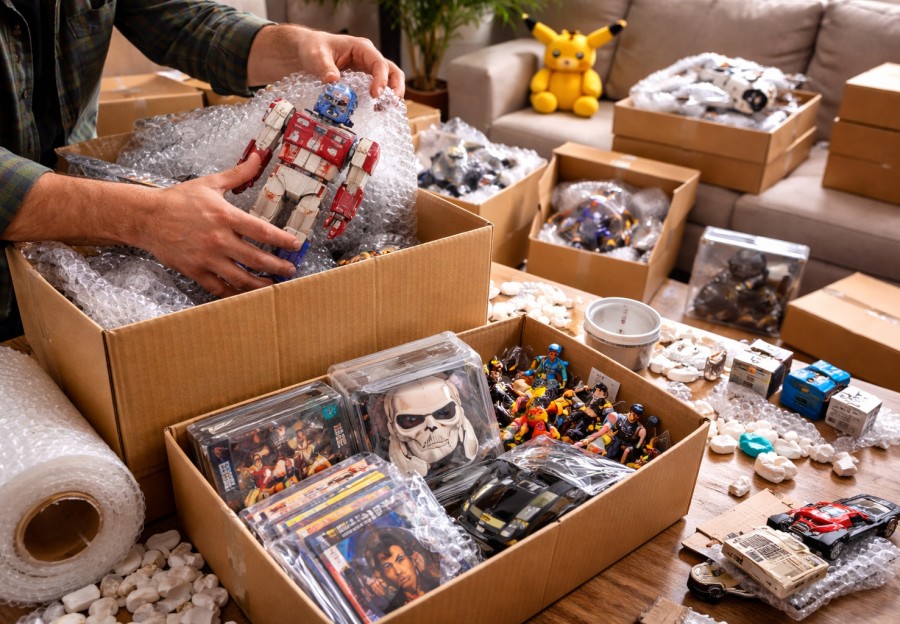
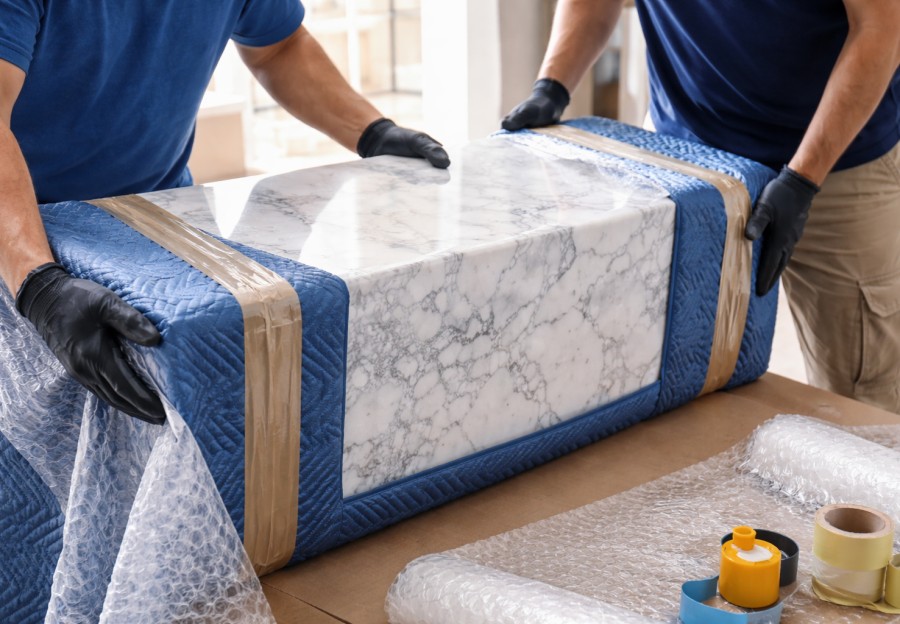
Packing materials should match the fragility of the item rather than using one size fits all methods. Packaging engineering tests consistently show that thicker cushioning reduces peak shock forces by more than 50 percent compared with thin padding during drop simulations. Dense foam, layered blankets, and rigid outer boxes protect against both impact and vibration. Vibration is a quiet threat. Packaging lab studies show that continuous low level vibration during transport causes micro abrasion and joint fatigue even when nothing visibly collides. This is why tight packing with minimal empty space matters.
Moisture control often gets overlooked. Vehicle interior temperature studies show that parked trucks can exceed outdoor temperatures by more than 20 degrees Celsius in under an hour during sunny conditions. Rapid temperature swings increase condensation risk inside sealed boxes. Electronics and paper are especially sensitive to moisture. Silica gel packets can absorb a significant portion of their weight in moisture under high humidity conditions, which helps stabilize the micro environment inside packaging. Avoid sealing damp items inside plastic because trapped moisture can lead to corrosion or mildew.
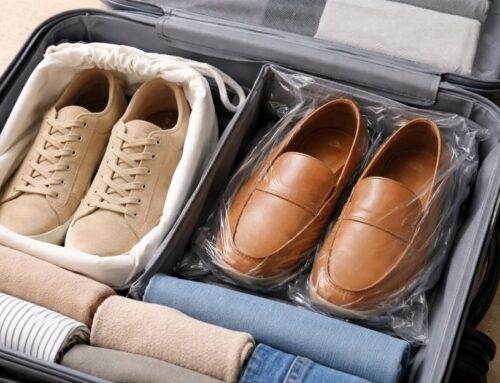
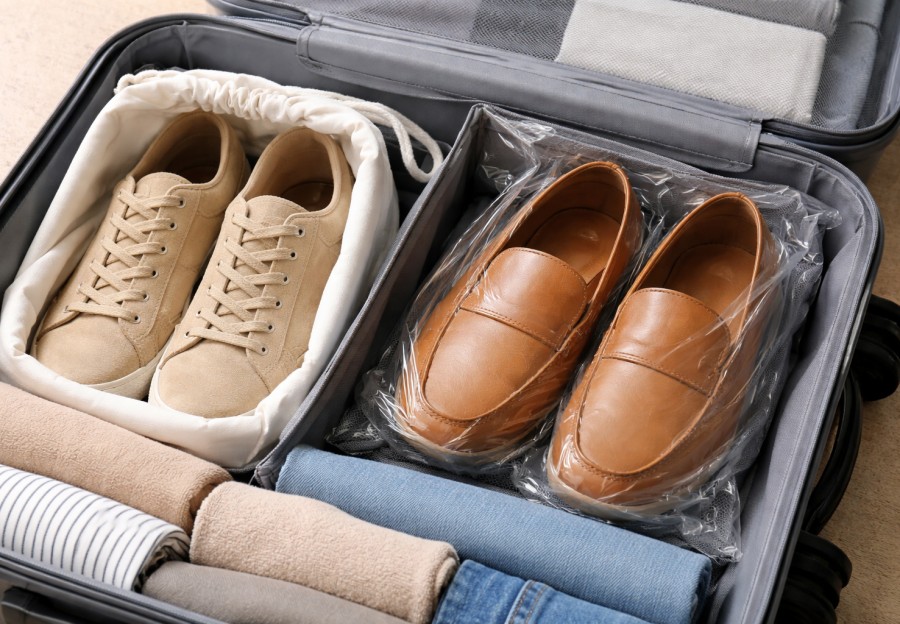
Jewelry and small valuables benefit from individual containment rather than bulk packing. Tangled chains scratch easily and fine clasps bend under pressure. Gemological care data shows that harder gemstones can scratch softer stones when stored together. Separating items prevents contact damage and makes inventory tracking easier.
Artwork and framed items need both surface protection and rigidity. Glass and frame corners are the most common failure points according to moving insurance claim summaries. Rigid cardboard or foam board layered on both sides distributes pressure across a larger surface area, lowering point stress. Physics makes this clear since pressure equals force divided by area, and increasing surface area reduces stress concentration.
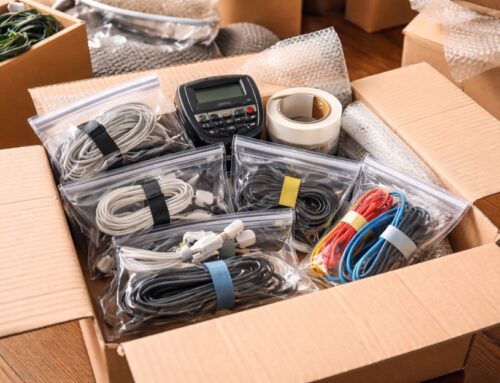
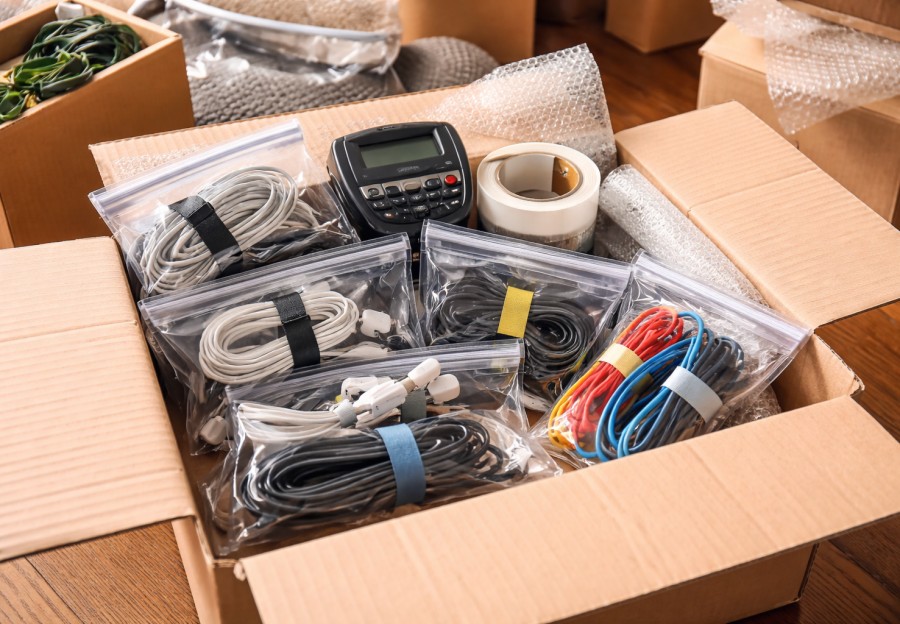
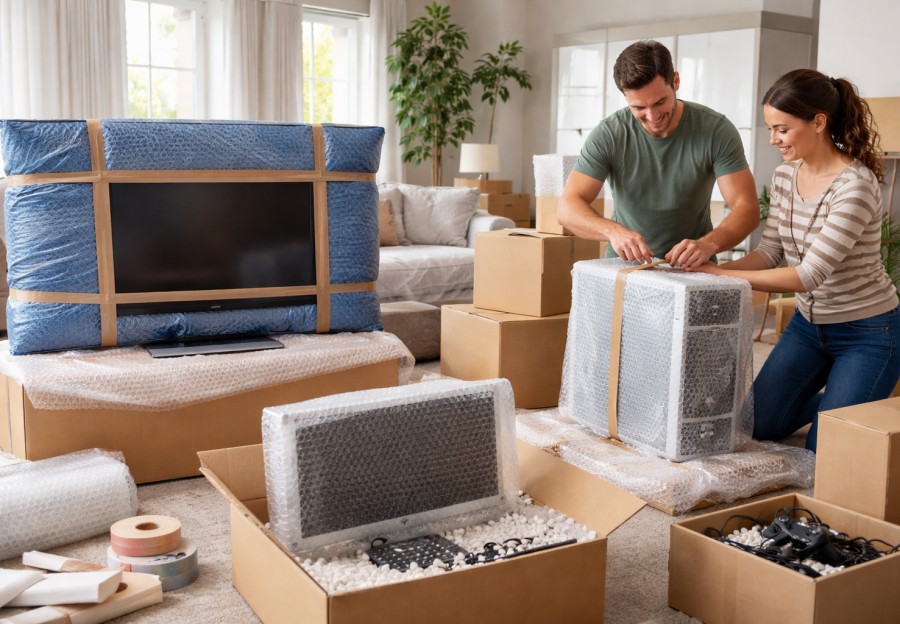
Electronics deserve special handling because they combine fragile components with high replacement cost. The Consumer Technology Association reports that the average household now owns more than 20 connected devices, which increases exposure to damage during moves. Data cable manufacturers note that tight bending and twisting can reduce cable lifespan by more than 50 percent due to conductor fatigue. Loose coiling and light securing preserve longevity. Anti static wrapping reduces static discharge risk for sensitive components. Allow devices to cool fully before packing to reduce condensation risk during temperature change.
Important documents should travel with you whenever possible. Paper absorbs moisture quickly and bends under compression. Packaging studies show that corrugated cardboard loses more than 30 percent of its compression strength when damp, which increases collapse risk. A rigid document case or portable file box keeps papers flat and protected while staying accessible.
Security habits also reduce stress. Avoid labeling boxes in a way that advertises high value contents. Neutral labels protect privacy when multiple people handle boxes. Risk management data shows that visible identification of valuables increases opportunistic theft risk in mixed handling environments. Keeping valuables physically with you whenever feasible removes that exposure entirely.
Insurance coverage deserves careful review before moving day. Basic mover liability coverage often reimburses only a small amount per pound, which rarely reflects true value for jewelry, electronics, or artwork. Industry surveys show that many homeowners underestimate this gap until after a claim occurs. Verifying coverage limits or adding a rider provides financial protection and peace of mind.
Timing and environment matter as well. Avoid leaving valuables unattended in open vehicles or unsecured rooms during staging. Theft prevention studies consistently show that most opportunistic theft occurs during short unattended windows rather than extended periods. Keep valuable containers within sight or locked in a personal vehicle until transport.
Human factors play a major role in stress reduction. Fatigue increases mistakes. The Bureau of Labor Statistics reports that overexertion and contact with objects account for a large share of material handling injuries and errors. Schedule breaks, hydrate, and avoid rushing when handling delicate items. A calm pace reduces dropped items and packing shortcuts that lead to damage.
Clear personal inventory tracking reduces anxiety. Knowing exactly what you have and where it is traveling prevents constant mental checking. Inventory control research shows that simple item tracking improves accuracy and reduces perceived loss stress because uncertainty drops even when nothing actually goes missing. A short written list or photo record works well without adding complexity.
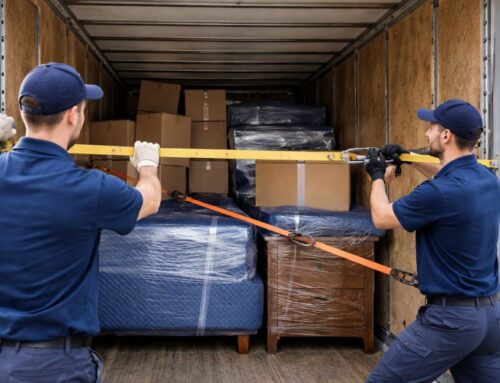
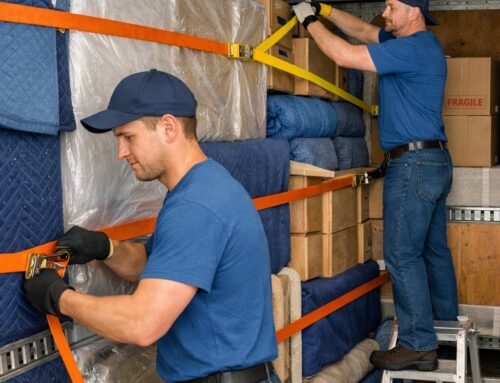
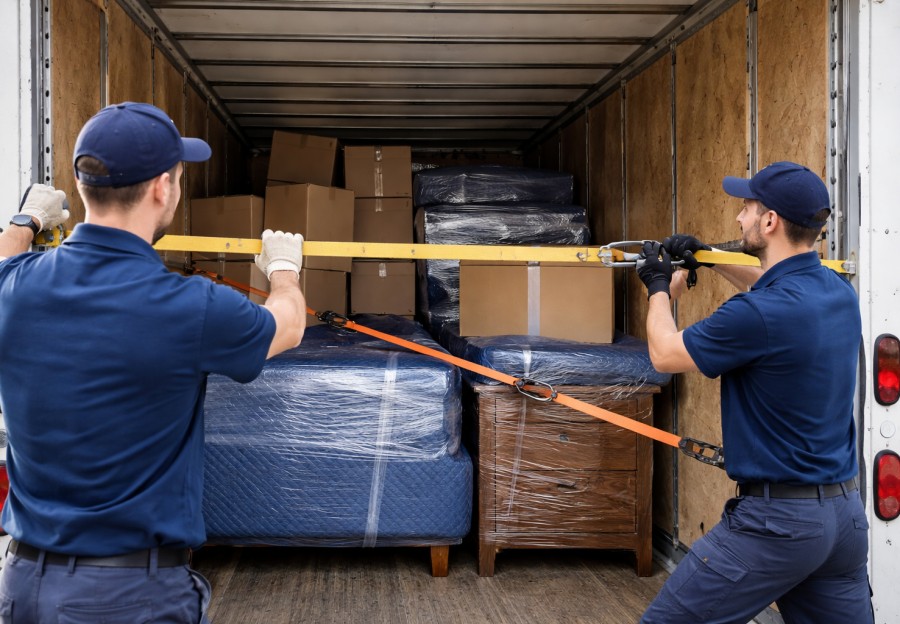
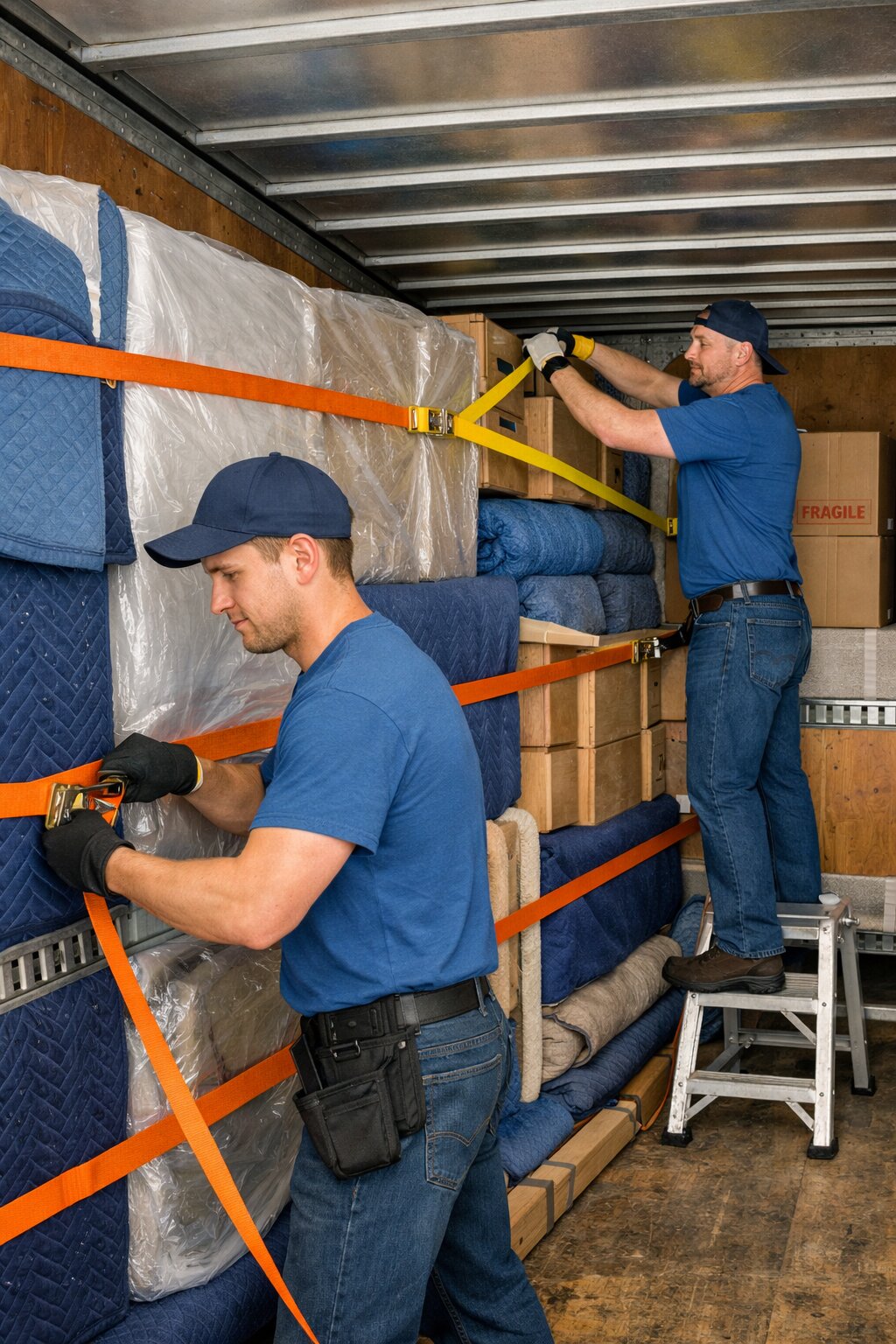
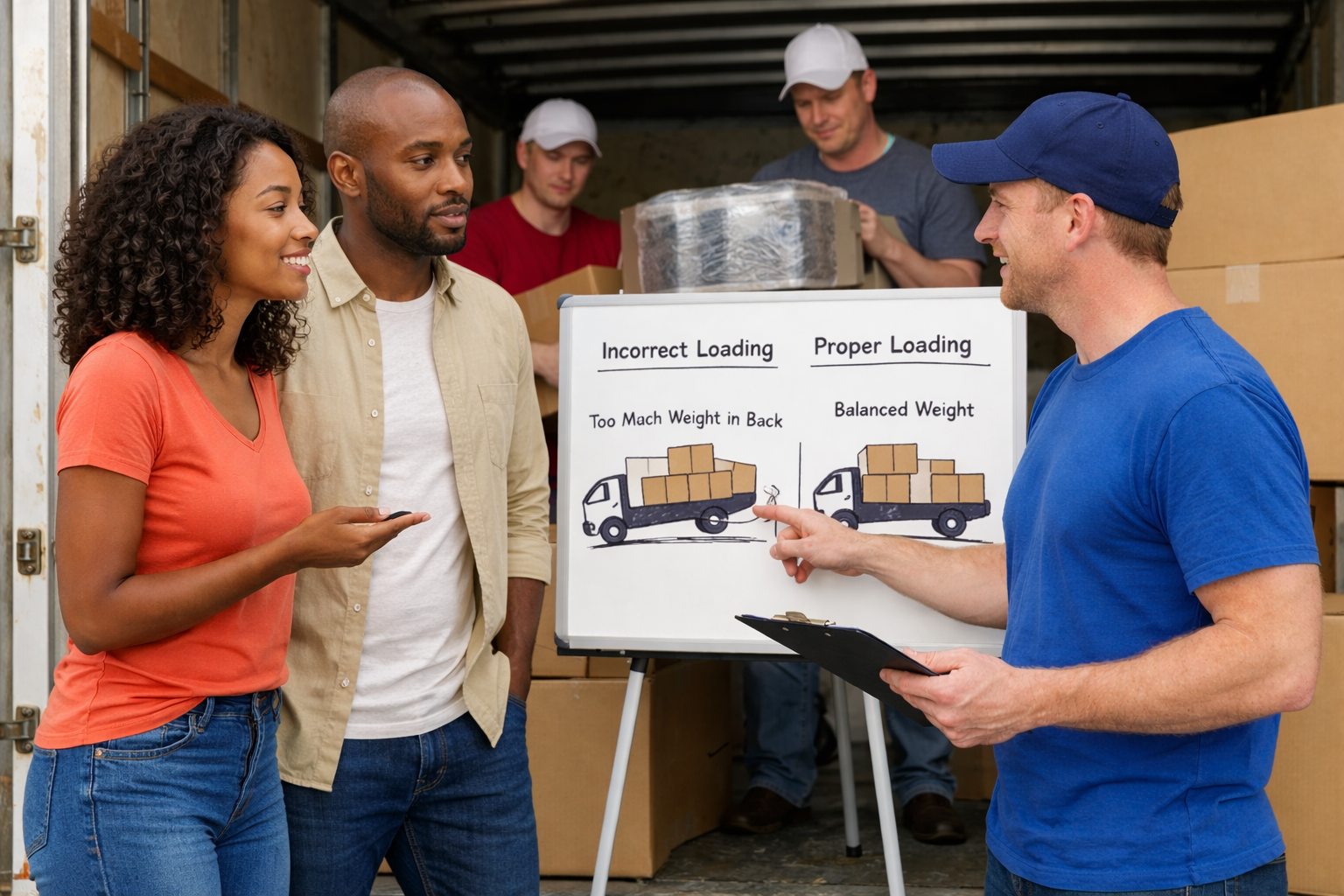
Transport placement inside the vehicle affects survival. Valuables should not ride near exterior truck walls where temperature swings and vibration intensity are higher. Packaging vibration studies show that central placement within a load reduces vibration amplitude compared with edge placement. Positioning valuables between padded surfaces such as mattresses or upholstered furniture adds another buffer layer.
Unpacking deserves the same care as packing. Allow temperature acclimation before opening electronics or glass items to avoid condensation shock. Electronics manufacturers often recommend waiting several hours after exposure to temperature extremes before powering on. Inspect valuables calmly rather than in a rush while boxes pile up around you. Early inspection catches issues when documentation is fresh.
Emotional stress also decreases when you control a few small rituals. Keeping valuables with you during the drive, placing them in a designated safe spot immediately upon arrival, and unpacking them early restores a sense of control. Behavioral psychology research shows that regaining control quickly after major transitions lowers stress hormone levels and improves overall adjustment.
Cost perspective reinforces why care matters. Replacing a laptop, camera, or piece of jewelry can easily run into thousands of dollars. Consumer electronics pricing data shows that high end laptops and cameras routinely exceed four figures in replacement cost. Fine jewelry appraisal data shows that many pieces appreciate over time, making replacement even more expensive than original purchase. Prevention is financially smarter than repair or replacement.
There is also a data security angle. Lost or damaged hard drives and devices can expose personal data. Cybersecurity studies show that device loss is a leading cause of personal data breaches in consumer environments. Transporting sensitive data personally and encrypting devices reduces risk significantly.
Environmental responsibility benefits too. The Global E Waste Monitor reports that millions of tons of electronic waste are generated annually worldwide. Preventing damage extends product lifespan and reduces unnecessary disposal and replacement manufacturing. Careful handling supports sustainability alongside personal savings.
Another overlooked factor is lighting and workspace setup during packing. Good lighting reduces drop risk and misidentification. Safety research consistently links improved lighting with lower accident rates in manual handling tasks. A well lit packing area reduces mistakes that lead to damage.
Stress often comes from imagining worst case scenarios rather than from real risk. Using data driven habits replaces fear with confidence. When you know that layered padding reduces impact forces, that moisture control prevents corrosion, that separation reduces scratching, that documentation speeds claims, and that personal transport reduces theft exposure, your mind relaxes because the risk is actively managed.
Safely moving valuables without stress is not about perfection. It is about controlling the biggest risk factors with simple consistent habits. Separate critical items from bulk transport. Use proper cushioning and rigid support. Control moisture and temperature exposure. Document condition. Review insurance. Keep valuables with you when possible. Place them centrally in padded zones when they must ride in the truck. Unpack calmly and early.
Moving always brings change and uncertainty. Valuables represent the parts of life we want to protect most during that transition. When preparation is thoughtful and grounded in real data from packaging science, insurance trends, safety research, and electronics care, the move feels far less fragile. Instead of worrying about what might happen, you focus on settling in and starting the next chapter with confidence.