February 19, 2026
How to prevent movers from tracking in dirt
Few things ruin the feeling of moving into a clean new space faster than muddy footprints across freshly vacuumed floors or dusty smudges on light colored carpets. Moving day is busy, doors stay open for hours, and dozens or even hundreds of trips go in and out of the house. Dirt, grit, moisture, and debris naturally follow. The goal is not perfection, but reducing how much mess gets carried inside so cleanup stays manageable and surfaces stay protected.
This matters more than people think. The American Cleaning Institute estimates that the average shoe sole carries hundreds of thousands of bacteria along with fine grit that scratches flooring. Flooring manufacturers also note that small abrasive particles are one of the leading causes of premature wear on hardwood and laminate finishes. A few hours of tracked in gravel can create micro scratches that dull shine permanently. Prevention is far easier than repair.
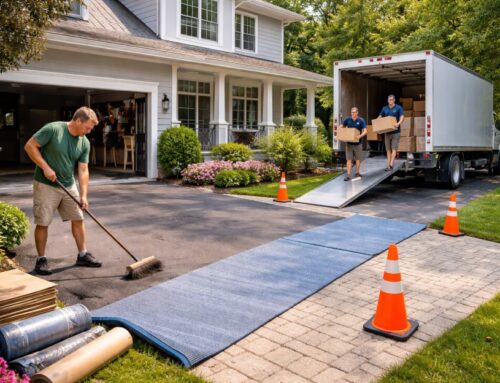
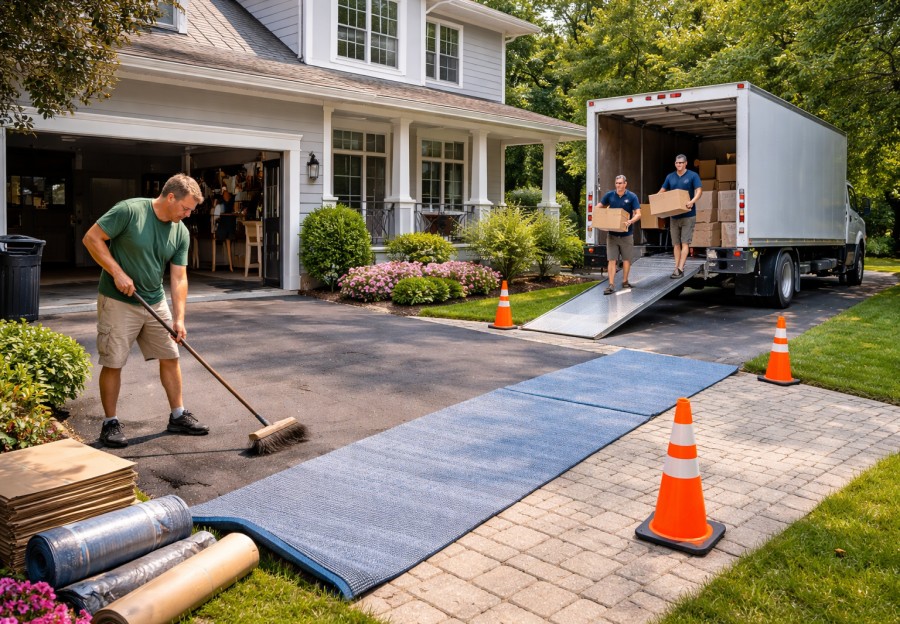
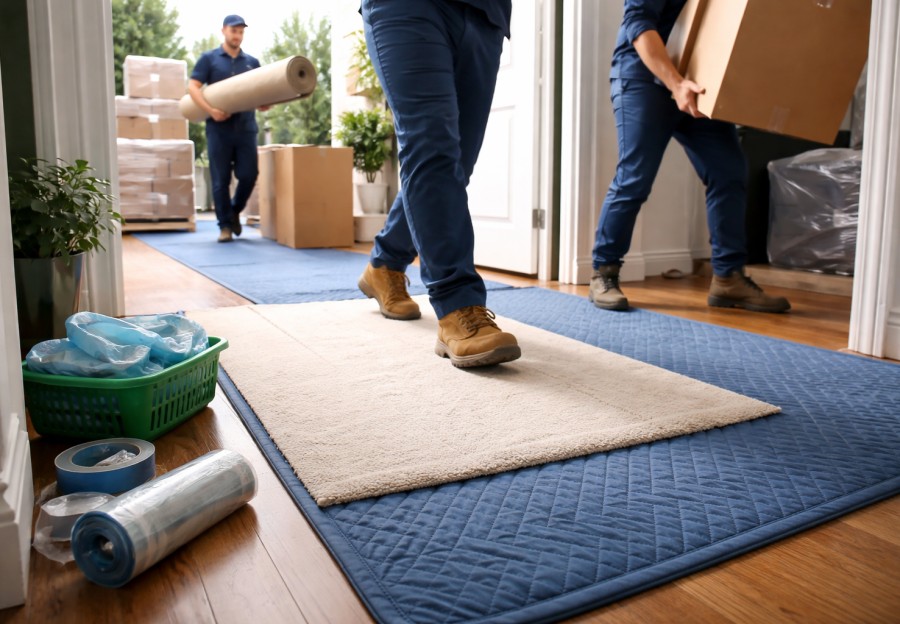
Start with controlling the entry zones. Every doorway becomes a high traffic path during a move. Placing large heavy duty floor mats outside and inside each main entrance captures dirt before it spreads. Studies in building maintenance show that properly sized entry mat systems can remove up to 80 percent of soil from footwear within the first few steps. That statistic comes from commercial building data, but the same principle applies at home. The key is surface area. A small decorative mat does very little. You want several feet of textured surface that scrapes and absorbs.
Weather plays a major role. On dry days, dust and sand are the biggest issues. On rainy days, water mixed with soil creates slippery residue and stains. Soil engineering research shows that wet soil can transfer much more easily because moisture acts as a binder that sticks particles to shoes. If rain is forecast, adding extra absorbent mats and having towels ready at the door prevents puddles and streaks from spreading across floors.
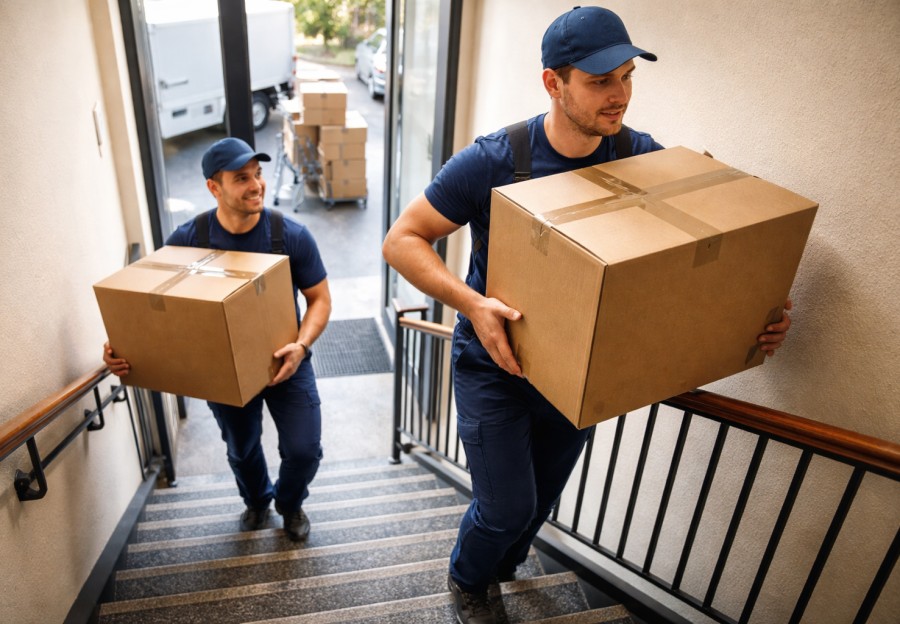
Shoes are the primary source of tracked dirt. Many professional moving companies already use disposable shoe covers or carry indoor shoes for sensitive surfaces. If they do not, politely offering shoe covers at the door helps without slowing the workflow. Disposable shoe covers cost very little and can block most direct transfer of dirt and moisture. Hospitals and laboratories use shoe covers for contamination control for the same reason. Even partial adoption on carpeted areas reduces visible tracking significantly.
If shoe covers are not practical for safety reasons on stairs or ramps, creating a boot wipe station helps. A stiff brush mat combined with a damp towel lets movers quickly clean soles before entering. This adds only seconds per trip but saves minutes of cleaning later. Time motion studies in industrial hygiene show that quick decontamination steps reduce downstream cleanup labor substantially, even when repeated many times.
Another overlooked factor is airflow. Open doors create pressure differences that pull dust inside, especially on windy days. Fine particulate matter easily drifts indoors and settles on floors and furniture. Environmental studies show that outdoor particulate can travel several meters indoors when doors remain open for extended periods. Closing unused doors and limiting open entry points reduces airborne dust migration.
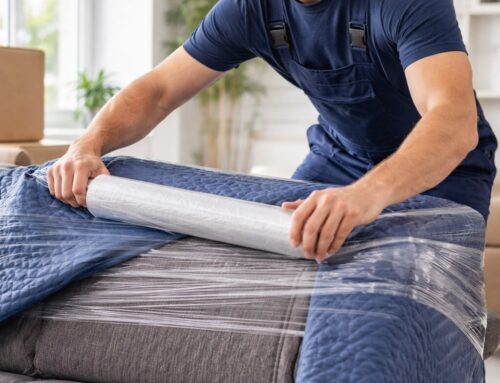
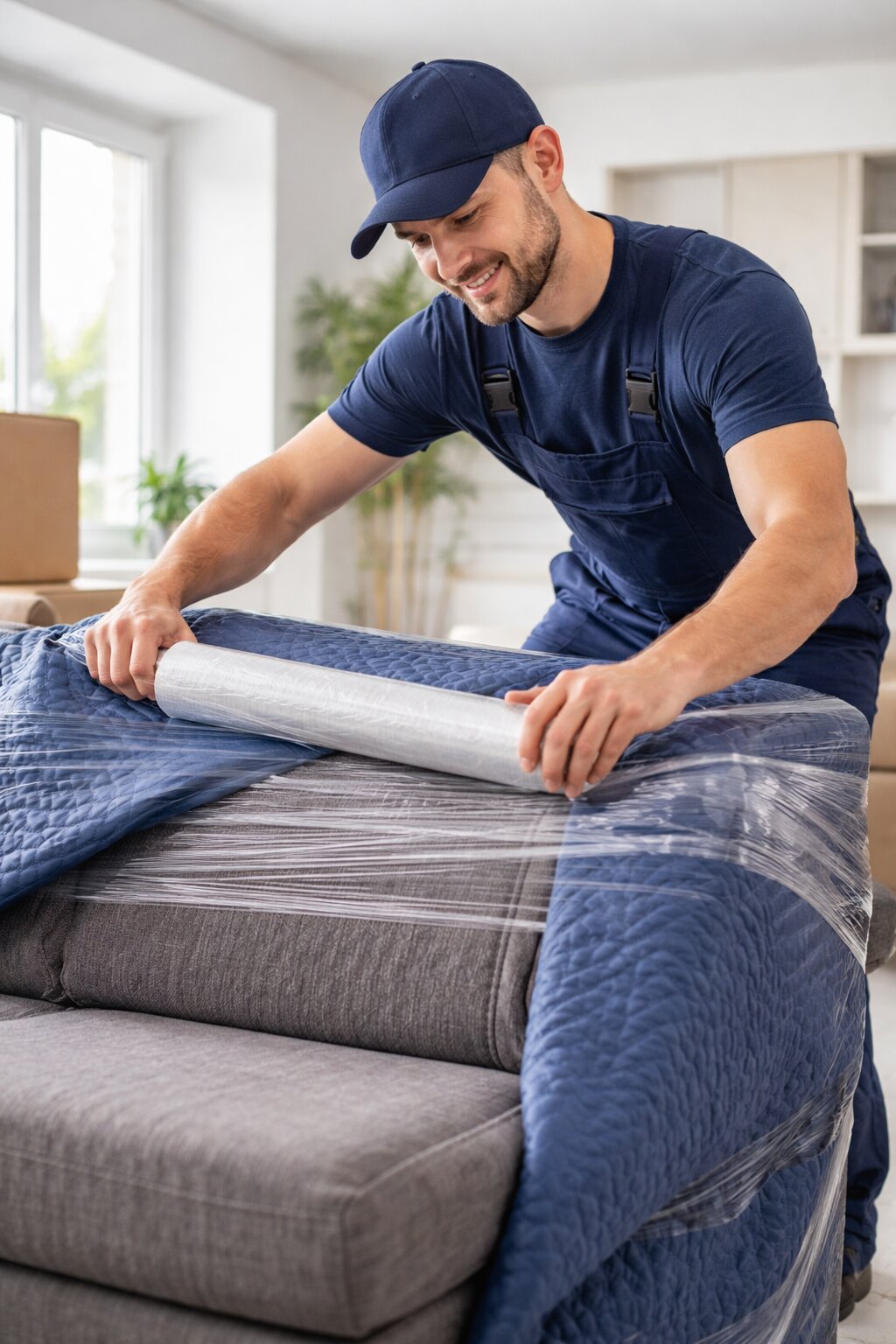
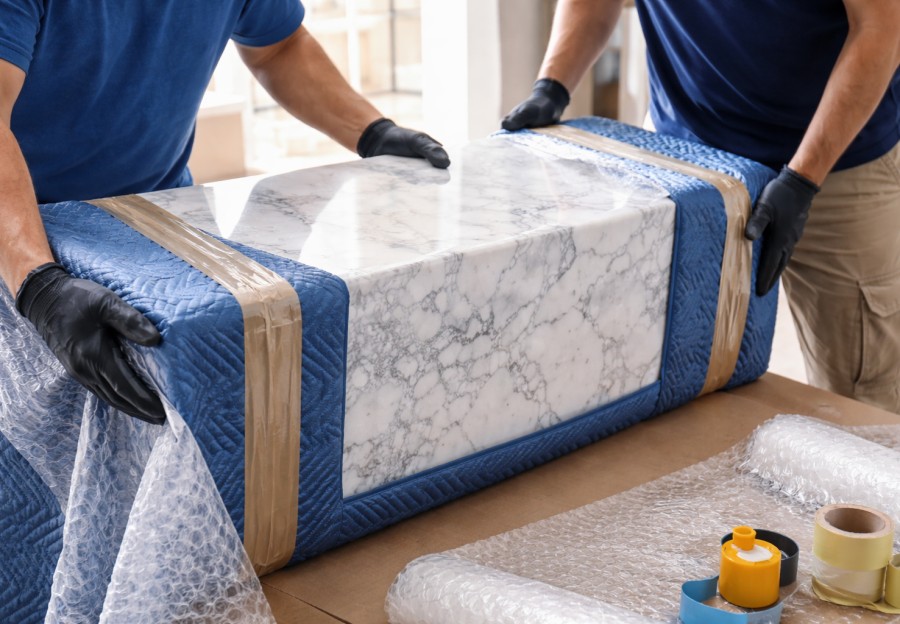
Protective floor coverings add a strong layer of defense. Temporary floor runners, rosin paper, or plastic floor films shield high traffic pathways from grit and scuffs. Construction and renovation industries rely heavily on these materials because foot traffic is one of the main causes of surface damage. Data from flooring manufacturers shows that protective coverings reduce surface abrasion incidents significantly during renovation projects. The same logic applies to moving day when foot traffic is intense.
Carpeted areas deserve special attention. Carpet fibers trap fine dirt deep within the pile, making vacuuming less effective later. The Carpet and Rug Institute reports that embedded grit acts like sandpaper on fibers, accelerating wear and matting. Covering carpeted walkways with plastic film or temporary runners prevents dirt from embedding and makes post move cleanup faster.
Hardwood and laminate floors scratch easily when grit is present. Even tiny particles under a shoe can create visible marks when weight is applied repeatedly. Wood floor associations warn that micro grit damage accumulates quickly in high traffic scenarios. Using protective runners in hallways and near stairs reduces that risk significantly.
Communication helps set expectations. A short conversation with the moving crew about protecting floors encourages cooperation. Most movers appreciate clear guidance because it prevents complaints later and keeps the job professional. Respectful coordination improves outcomes. Workplace communication studies consistently show that clear expectations reduce error and conflict in physically demanding jobs.
Pets and kids also contribute to tracked dirt on moving day. Open doors invite pets to run in and out, carrying dust and mud. Securing pets in a closed room or off site prevents extra mess and improves safety. Animal behavior studies show that pets become more anxious and unpredictable in noisy unfamiliar environments, which increases accident risk. Keeping them contained protects both floors and animals.
Outdoor staging areas influence how much dirt enters the home. If boxes and furniture are staged on bare soil or dusty driveways, their bottoms collect debris that transfers indoors when carried. Laying down tarps or old blankets in outdoor staging zones reduces contamination. Soil transfer studies in industrial sites show that clean staging surfaces dramatically reduce secondary contamination indoors.
Weather timing also matters. If possible, schedule loading during drier parts of the day. Morning dew and overnight moisture increase soil transfer. Meteorological data shows that surface moisture remains elevated in early morning hours even when rain has stopped. Waiting for surfaces to dry naturally reduces tracking.
Cleaning tools should be ready before movers arrive. Having a broom, microfiber mop, paper towels, and a small vacuum accessible allows quick touch ups during breaks or after heavy traffic phases. Immediate spot cleaning prevents dirt from being ground deeper into surfaces. Cleaning science research shows that fresh soil is easier to remove than dried or compacted debris.
Entry lighting improves awareness. Dim hallways make it harder to see muddy footprints or spills until they spread. Good lighting encourages quicker cleanup and safer footing. Safety data from occupational environments links improved lighting with reduced slip incidents and better hazard detection.
Another small detail is door hardware and handles. Muddy hands transfer grime onto door frames and walls when people push doors open repeatedly. Wiping down handles periodically keeps smudges from building up and protects paint finishes. Interior paint manufacturers note that repeated abrasion from dirty hands accelerates visible wear on high contact surfaces.
Do not underestimate the value of a final walkthrough cleanup once the truck is loaded. Sweeping entry areas, wiping door frames, and removing protective coverings carefully prevents spreading trapped dirt further inside. Professional cleaning standards emphasize staged removal of protective materials to avoid secondary contamination.
Preventing movers from tracking in dirt is about layering simple controls rather than relying on one solution. Entry mats capture debris. Shoe covers and wipe stations block transfer. Protective runners shield vulnerable surfaces. Outdoor staging stays clean. Pets stay contained. Lighting stays bright. Small cleanups happen quickly. Each layer reduces a portion of the mess, and together they dramatically lower the final cleanup burden.
The payoff shows up immediately when the last box leaves and your floors still look presentable instead of battered. It also protects long term value. Flooring replacement and refinishing costs can easily reach thousands of dollars depending on material and square footage. According to home improvement cost surveys, hardwood refinishing alone often ranges from several dollars per square foot, adding up quickly in larger homes. Preventing unnecessary wear on moving day is a smart form of home protection.
Moving will always create some mess. That is unavoidable when heavy traffic meets open doors and outdoor conditions. But with a little preparation and awareness, the mess stays contained instead of spreading through every room. Cleaner floors reduce stress, speed up settling in, and let you enjoy your new space without immediately reaching for cleaning supplies. That is a small win that makes a long day feel far more satisfying.