January 19, 2026
How to pack awkwardly shaped items efficiently
Packing awkwardly shaped items is one of those parts of moving that sounds simple until you are standing in the middle of your living room holding a floor lamp, a guitar case, or a framed mirror that refuses to fit into any box you own. These items are often the most fragile, the most expensive, and the easiest to damage if you rush the process. Packing them well is less about fancy materials and more about understanding how pressure, movement, and space work together inside a moving box or truck.
The first thing to accept is that awkward shapes break the basic rule most people rely on when packing, which is filling boxes neatly edge to edge. Odd items leave gaps, and gaps are where damage starts. According to the U.S. Consumer Product Safety Commission, over 30 percent of damage to household goods during moves is caused by shifting inside boxes rather than direct impact. That tells you something important. Preventing movement matters more than making things look tidy.
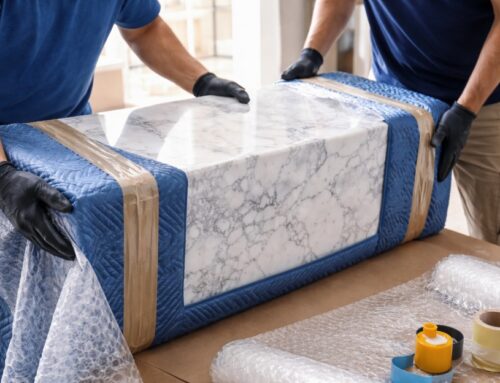
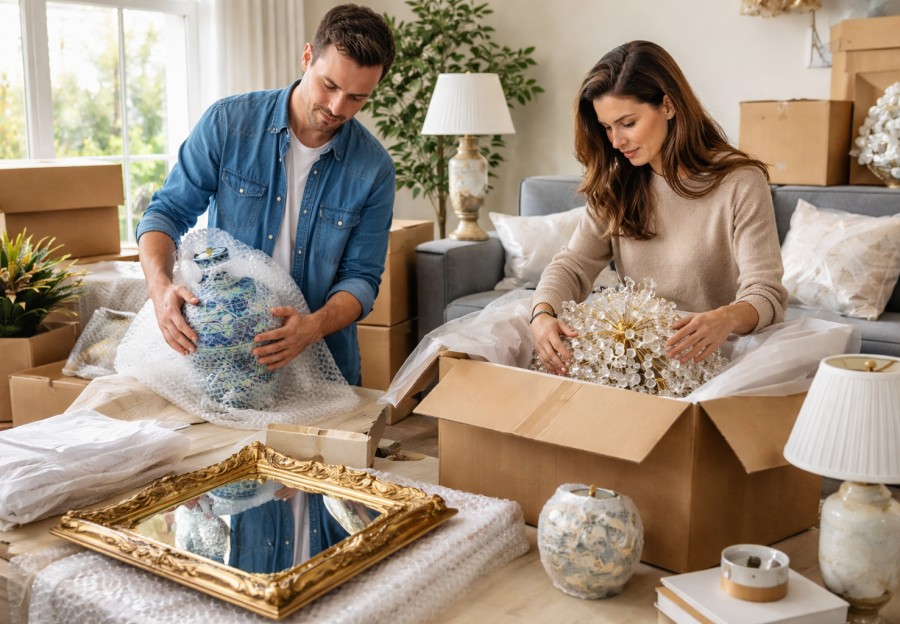
Start by thinking of each awkward item as a core that needs its own protective shell. A lamp, for example, should be broken down as much as possible. Shades, bulbs, and harps should come off and be wrapped separately. The base, which is usually heavy and unbalanced, needs padding that evens out its shape. Wrapping it in thick moving paper or bubble wrap is only the first step. What really protects it is building up padding until the base becomes closer to a cylinder or rectangle. That makes it easier to brace inside a box and less likely to tip.
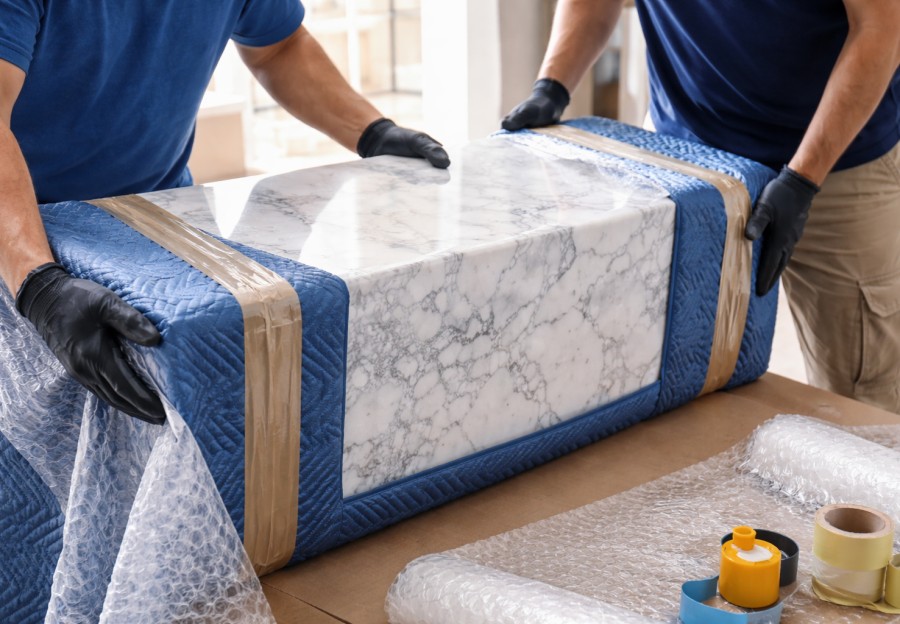
Mirrors, large frames, and flat artwork need a different approach. Flat does not mean safe. Glass items are especially vulnerable to pressure from the sides. The Glass Association of North America notes that glass is strongest when force is evenly distributed across its surface and weakest at the edges. This is why edge protection is critical. Cardboard corner guards, layered cardboard strips, or even folded moving paper taped along the edges can dramatically reduce the risk of cracks. Once wrapped, these items should be packed vertically rather than laid flat. Vertical packing reduces the surface area exposed to downward pressure and mirrors how glass is typically transported by professionals.
Long and narrow items like golf clubs, tripods, or curtain rods often get tossed into random boxes as an afterthought. That is a mistake. Because these items are light but rigid, they act like levers during transport. A sudden stop can turn them into internal battering rams. Bundling them together with padding between each piece helps distribute force. Placing them in a tall wardrobe box or a custom cardboard tube with both ends well cushioned keeps them from sliding back and forth.
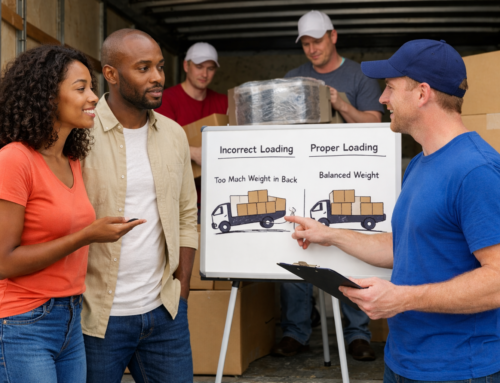
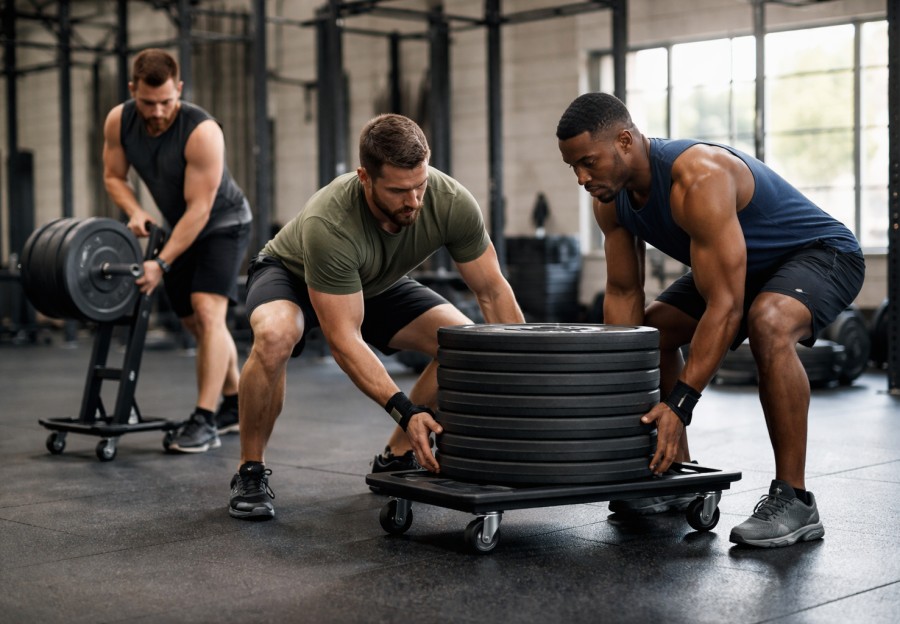
For irregular items like exercise equipment, small furniture pieces, or decorative sculptures, weight balance becomes the main concern. Heavier sections should always be positioned toward the bottom of the box or crate. The American Moving and Storage Association reports that improperly balanced boxes are among the top causes of item damage and worker injury during moves. This is not just about safety for the movers. A box that tips or collapses is far more likely to crush whatever is inside it. Reinforcing the bottom of boxes with extra tape and cardboard is especially important for these kinds of items.
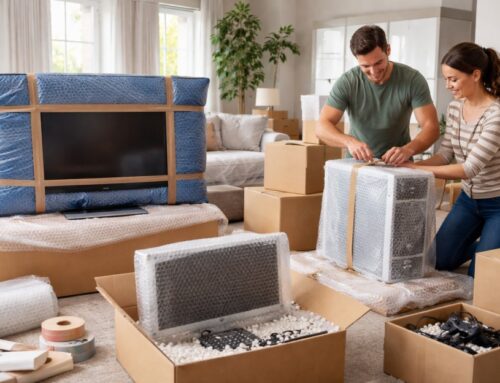
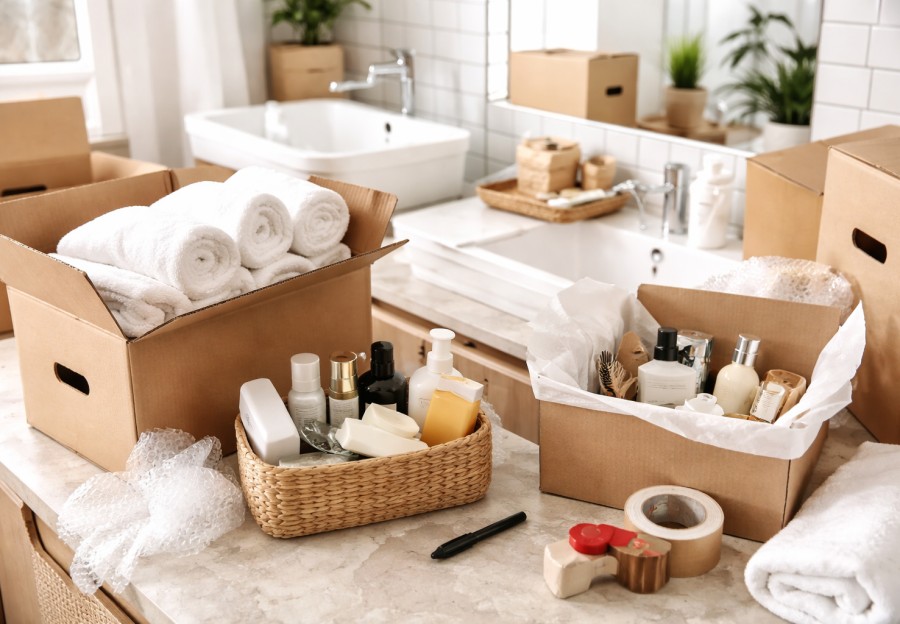
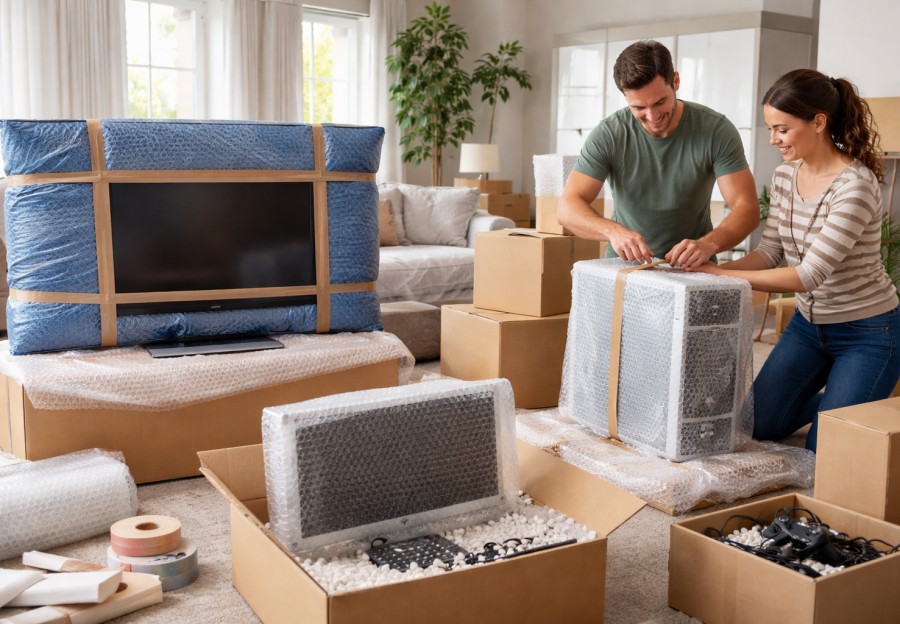
Filling empty space is where many people cut corners. Towels, blankets, and clothing can be surprisingly effective padding, but only when used correctly. They should be tightly packed, not loosely stuffed. Loose fabric compresses during transit, which creates new gaps. Paper, foam, or bubble wrap that is firmly packed maintains its shape better under pressure. This matters because trucks vibrate constantly on the road. Studies on freight transport vibration show that sustained low level vibration can cause damage even without any major bumps, especially to fragile items.
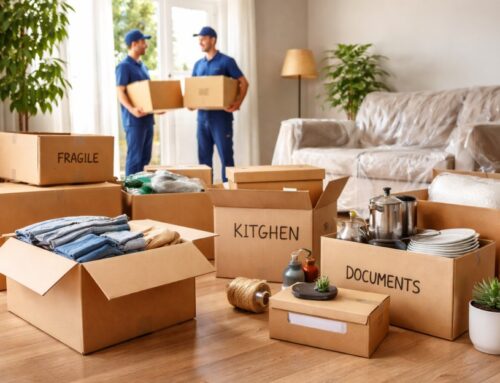
Finally, labeling matters more than most people think. Clearly marking boxes with fragile or top load only warnings changes how they are handled. Professional movers consistently report that labeled boxes are stacked more carefully than unlabeled ones, which directly affects how much weight ends up on top of awkwardly shaped items.
Packing awkward items efficiently is really about control. You are controlling shape, movement, pressure, and balance. When you slow down and pack with those principles in mind, you reduce the chances of damage and make unpacking easier on the other end. It takes more time up front, but it saves money, frustration, and sometimes irreplaceable items later.