
January 21, 2026
How to pack a bedroom without missing anything
Packing a bedroom sounds simple until you realize how many small, easy to forget items live there. A bedroom holds more than furniture and clothes. It stores habits, routines, and the things you touch first thing in the morning and last thing at night. That is why bedroom packing often feels chaotic and why people regularly arrive at a new place missing chargers, pillows, or important documents. The goal is not just to get everything into boxes but to do it in a way that makes sense when you unpack.
The biggest reason people miss items is distraction. Packing research from the American Psychological Association shows that task switching increases error rates by as much as 40 percent. In practical terms, this means jumping between closets, drawers, and nightstands is a recipe for forgetting something. The best way to avoid that is to pack the bedroom in zones and finish one area completely before moving on. When you empty a space fully, you are forced to confront everything that lives there, including the things you normally overlook.
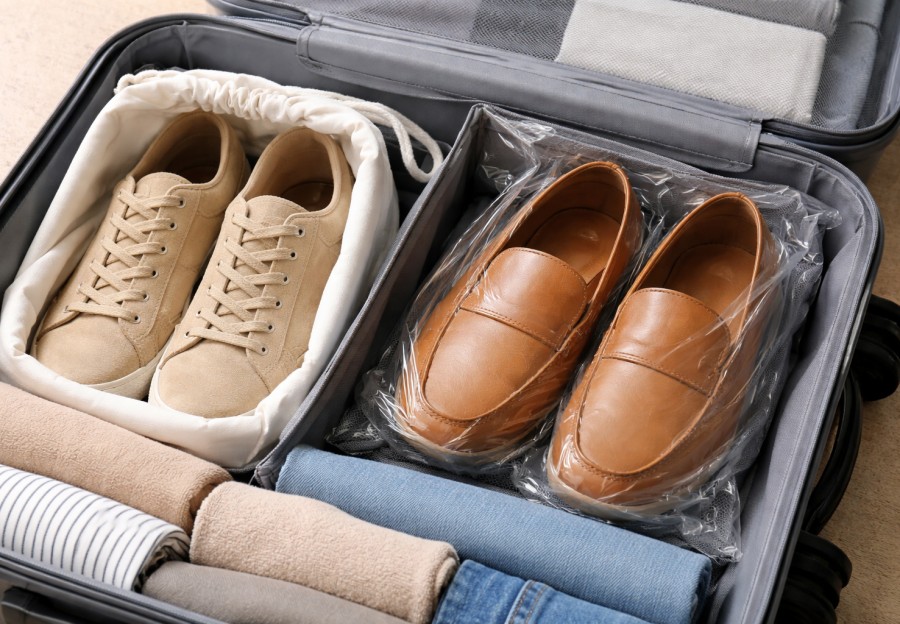
Start with items you do not use daily. Off season clothing, extra blankets, decorative pillows, and backup shoes are ideal early targets. As you pack these, resist the urge to declutter aggressively unless you have already planned for it. Decision fatigue is real. A study published in the Journal of Consumer Psychology found that people make poorer decisions after extended periods of decision making. When you try to sort, purge, and pack at the same time, you increase the odds of mistakes and forgotten items. Packing first and sorting later is often more reliable when time matters.
Closets deserve extra attention because they hide volume. Hanging clothes are obvious, but shelves and floor corners are where things disappear. Shoes tucked behind luggage, bags stuffed inside bags, and small accessories in forgotten boxes are common culprits. One useful habit is to pack the closet from top to bottom. When the upper shelves are empty, you can physically see what remains below. This reduces the chance of leaving items behind. According to moving industry surveys, closets are one of the top three places where items are accidentally left during a move, right behind garages and kitchen cabinets.
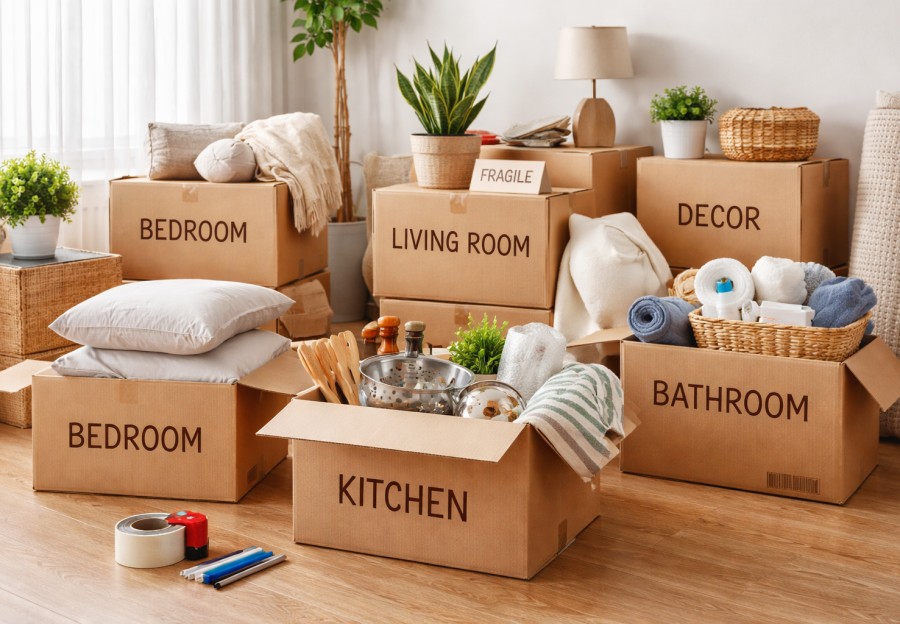
Dressers and nightstands are another danger zone. These pieces hold the most personal and frequently used items, which makes them easy to underestimate. Chargers, medication, notebooks, watches, and spare keys often live in shallow drawers and get buried under larger items. A smart approach is to designate one clearly labeled essentials box for the bedroom. This box should stay with you rather than on the truck. The National Association of Professional Organizers reports that people who pack essentials separately are significantly less likely to experience first night stress after a move. While that might sound minor, stress is often what causes people to believe they have lost something that is simply packed poorly.
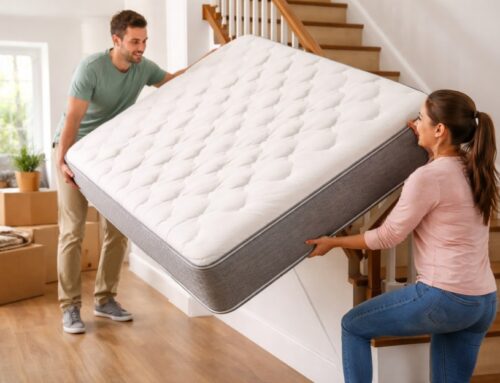
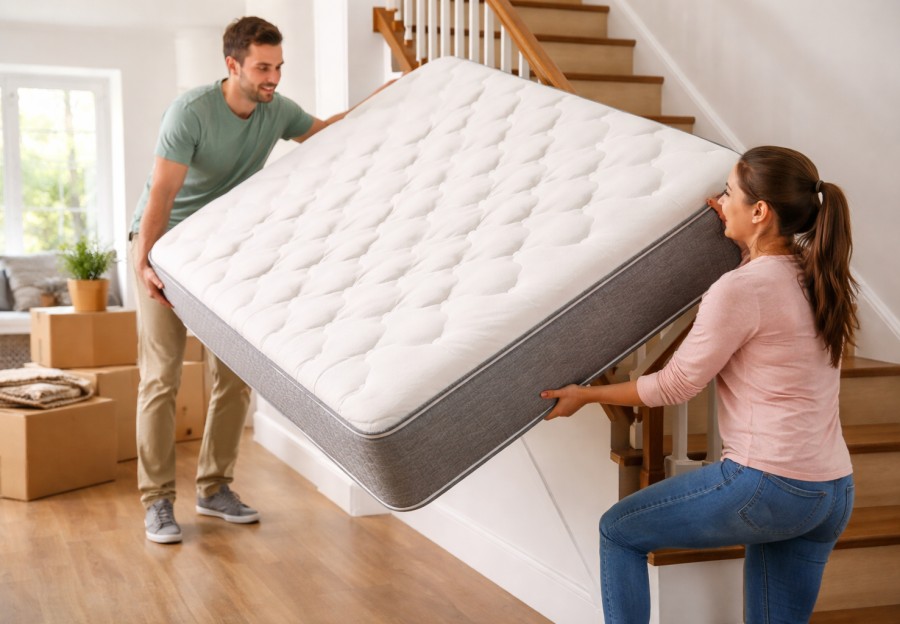
Beds themselves are more complicated than they look. Mattresses are obvious, but bed frames often have hidden parts, slats, or hardware taped underneath. Headboards sometimes include mounted lights or shelves. Taking photos before disassembly helps ensure everything goes back together. Research on memory recall shows that visual references improve task completion accuracy by over 20 percent compared to written notes alone. A quick photo on your phone can save you hours of frustration later.
Do not forget walls and doors. Bedrooms collect items vertically. Mirrors, art, hooks, and over the door organizers are easy to ignore once furniture starts moving. The same goes for the backs of doors, where robes, belts, or bags might be hanging. Before you consider the room packed, stand in the doorway and look around slowly. This change in perspective helps your brain notice what it has filtered out during repetitive tasks.
Laundry habits also matter. Hampers often contain a mix of clothes, towels, and random items tossed in a hurry. Packing everything from the hamper without checking pockets is a classic mistake. Coins, receipts, headphones, and even important documents regularly turn up in laundry loads. Taking a few minutes to empty and sort prevents both loss and damage.
Finally, leave the bedroom empty for a moment before closing the door for the last time. Silence helps. Without boxes and movement, your brain can scan the space more effectively. Environmental psychology studies suggest that cluttered environments reduce attention to detail, while cleared spaces improve visual processing. This pause is often when people remember the item they would have otherwise left behind.
Packing a bedroom without missing anything is less about speed and more about intention. When you slow down, pack in complete sections, and respect how memory and attention work, you greatly reduce the chances of losing track of important belongings. The time you spend being careful in the bedroom pays off immediately when you arrive and everything you need is right where you expect it to be.