February 18, 2026
How to organize packing by room type
Packing an entire home can feel overwhelming because everything blends together into one giant task. The fastest way to bring order back into the process is to think room by room and pack based on how each space actually functions. A kitchen behaves differently than a bedroom. A garage has different risks than a home office. When you respect those differences, packing becomes more logical, safer, and far easier to unpack later.
This approach also reflects how professional movers work. The American Moving and Storage Association estimates that more than 31 million people move each year in the United States, and industry efficiency studies consistently show that organized packing reduces loading time and damage rates. In logistics environments, structured grouping of items improves handling accuracy by roughly 20 to 30 percent because workers spend less time searching and re sorting. At home, that translates into fewer missing items, fewer broken pieces, and faster setup in your new space.
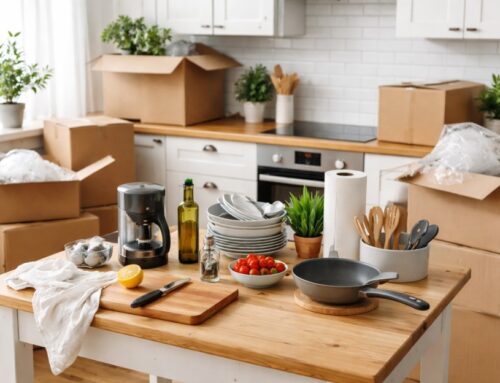
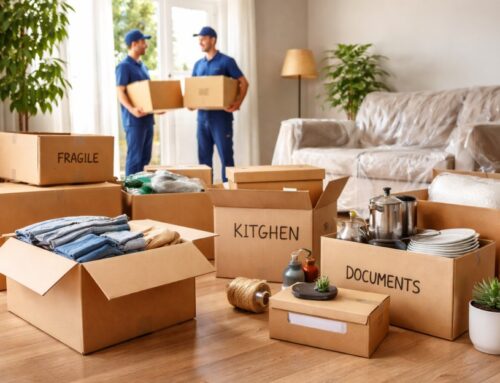
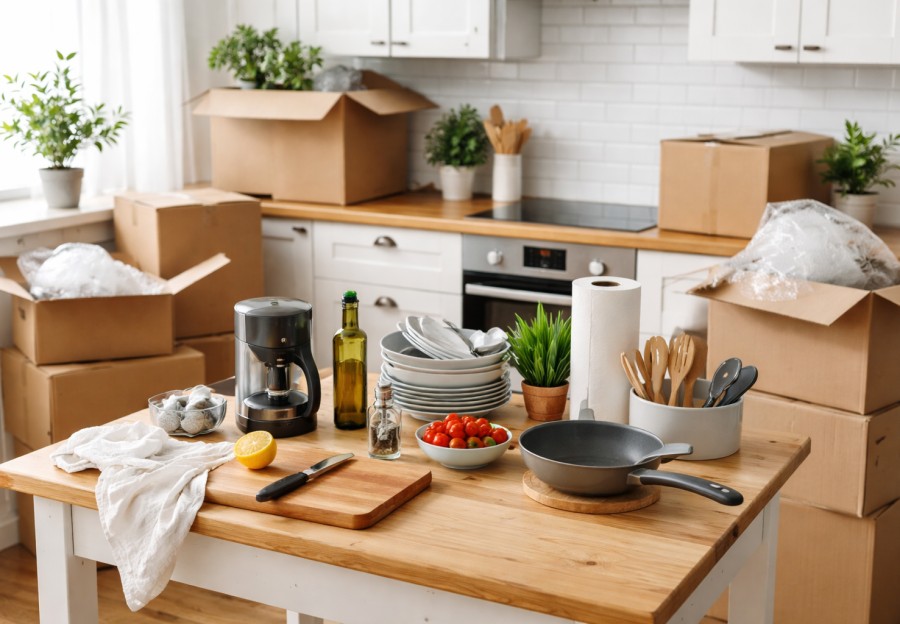
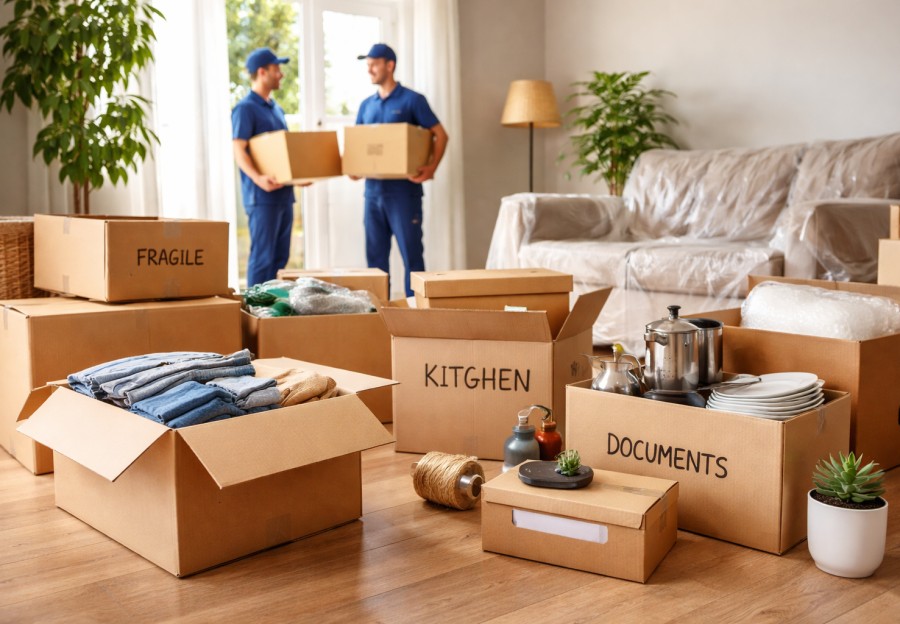
The kitchen usually takes the most time because it holds fragile items, mixed materials, and many small pieces. Start by grouping items by function rather than cabinet location. Cooking tools, pantry goods, dishware, and small appliances should each be packed together so they make sense when unpacking. Glass and ceramic deserve extra cushioning because vibration during transport causes most breakage rather than direct drops. Packaging vibration studies show that repeated low level vibration accounts for a large share of micro cracking in glassware over long trips. Using soft household fabrics like dish towels and cloth napkins as padding saves money and reduces waste. The Environmental Protection Agency estimates that Americans generate over 80 million tons of packaging waste annually, so reusing textiles reduces environmental impact while protecting fragile items. Liquids should be sealed tightly and packed upright to avoid leaks that weaken cardboard strength. Wet corrugated board can lose more than 30 percent of its compression strength, which increases the risk of box collapse.
Bedrooms are mostly about textiles and personal items, but they hide more loose objects than people expect. Apparel industry surveys estimate that the average American owns around 148 pieces of clothing, which explains why closets take longer than planned. Packing clothing by category rather than drawer location makes unpacking easier and helps prevent missed items. Bedding should be consolidated so sheets, pillowcases, and comforters stay together. These soft goods can also cushion lamps, picture frames, and décor. Jewelry, chargers, glasses, and medications should be grouped intentionally in smaller containers so they stay visible and secure. Memory research shows that grouping related objects reduces cognitive load and improves recall, which lowers the chance of forgetting small personal items during the rush.
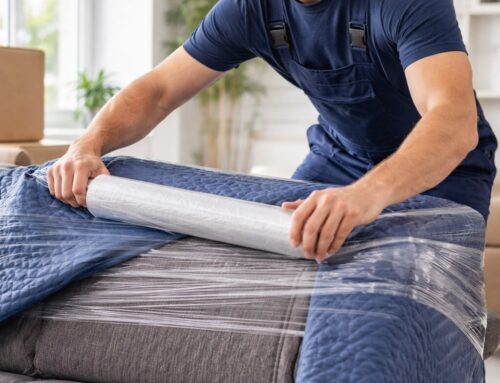
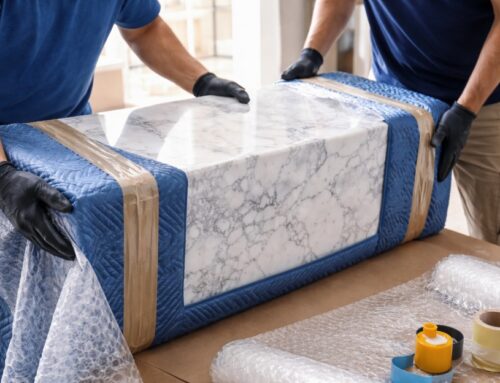
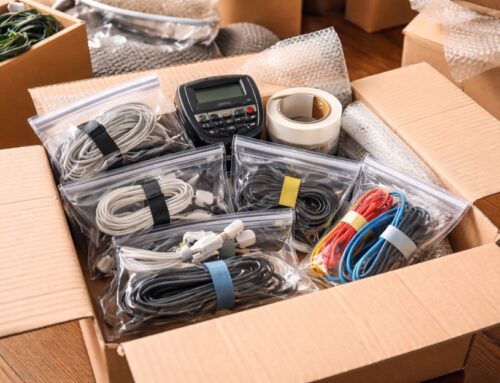
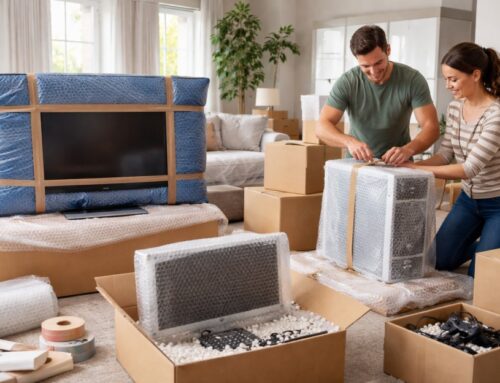
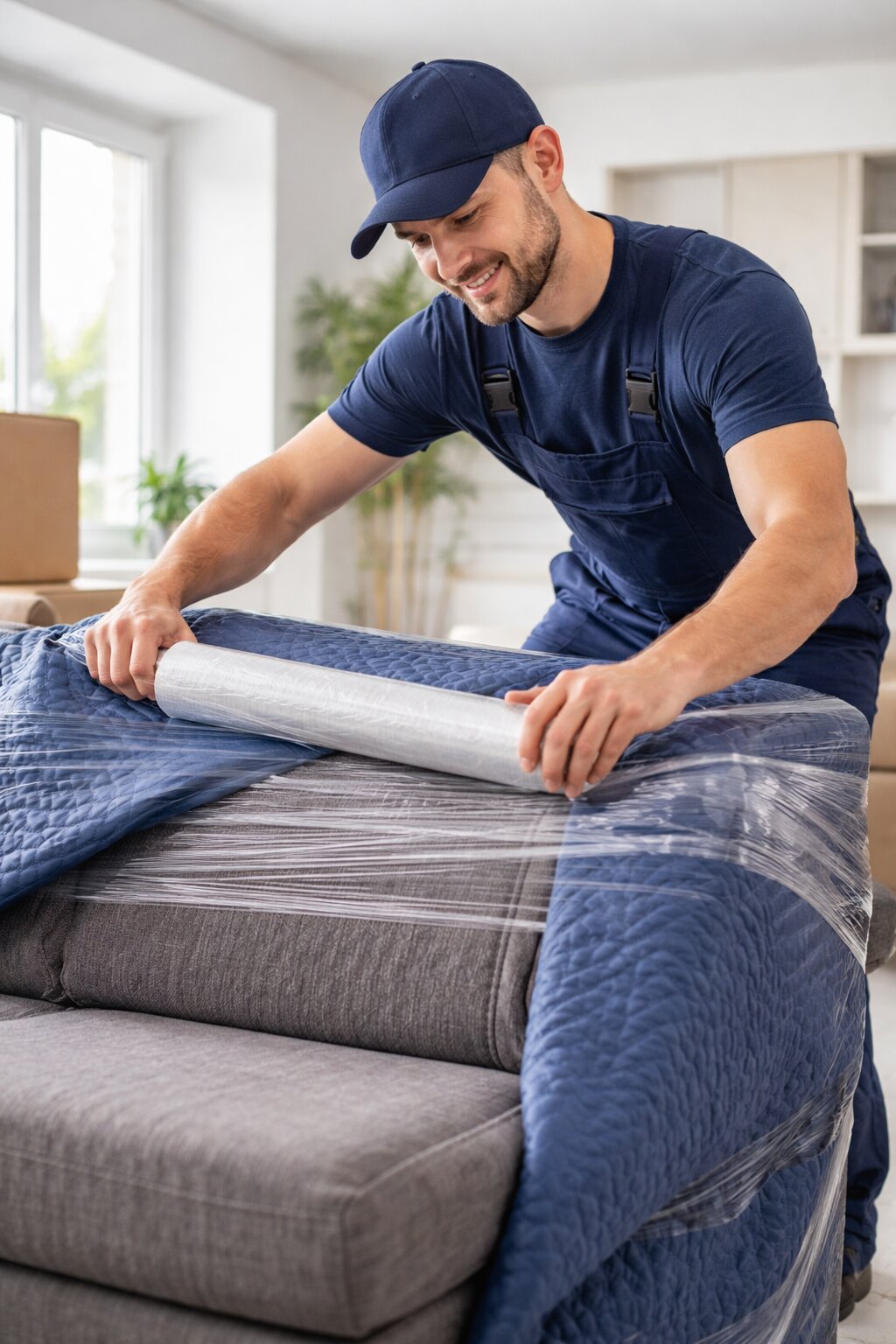
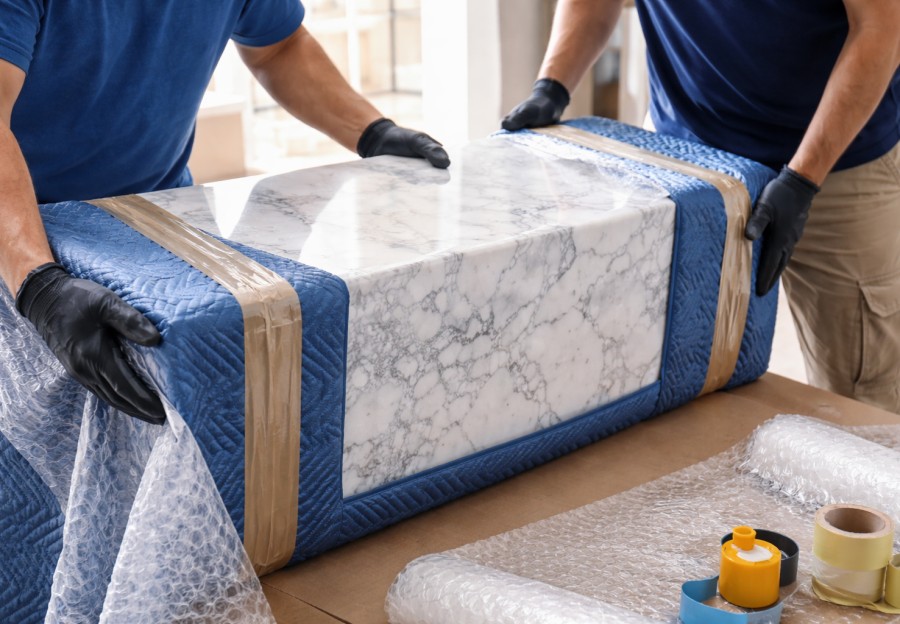
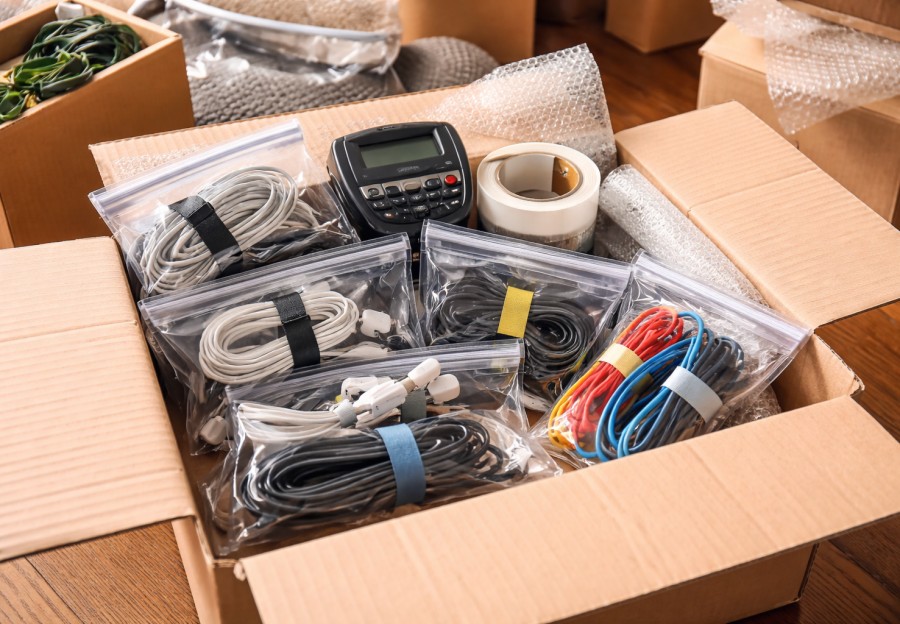
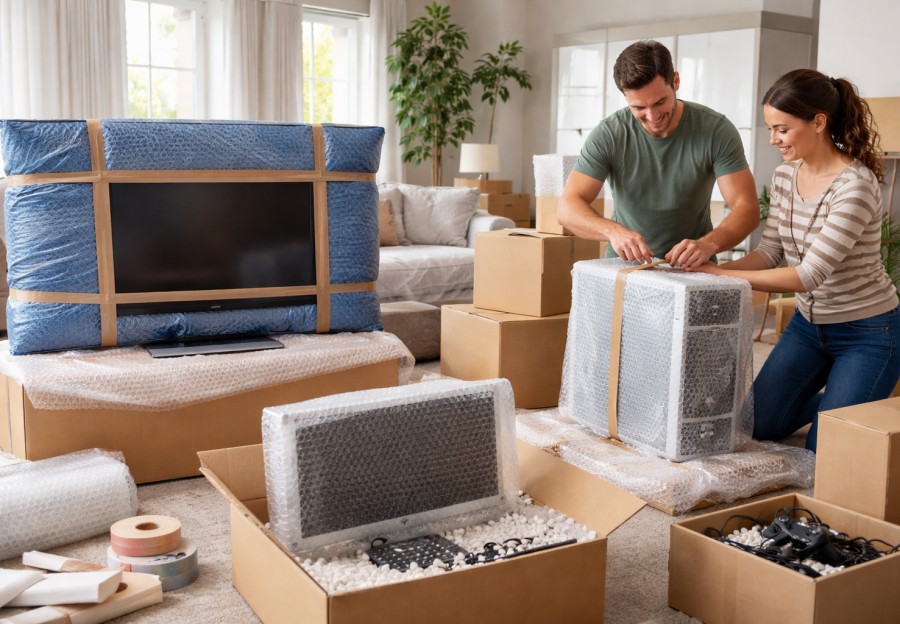
Living rooms and family spaces contain a mix of electronics, furniture, décor, and entertainment items. Televisions and monitors need rigid protection and moisture control because electronics are sensitive to humidity and static discharge. Silica gel can absorb a large portion of its weight in moisture, which helps protect circuit boards during transport. Cables should be loosely coiled and labeled to prevent internal wire fatigue and confusion later. Furniture should be prepared by removing loose shelves and securing drawers to avoid joint stress during vibration. Packaging engineering studies show that continuous vibration is a leading cause of surface wear on polished wood finishes. Wrapping furniture properly prevents friction damage that often appears after long drives rather than during loading.
Bathrooms seem small but contain a surprising number of liquids and breakables. Toiletries, cosmetics, and cleaning products should be sealed in leak resistant bags and packed upright. Cosmetic industry data shows that many personal care containers are not designed for pressure changes and can seep during transport. Towels make excellent cushioning for mirrors, glass shelves, and ceramic containers. Medications should travel with you rather than in the truck to prevent temperature exposure and loss. Vehicle interior temperature studies show that parked vehicles can exceed outdoor temperatures by more than 20 degrees Celsius in under an hour during warm weather, which can degrade certain medications and cosmetics.
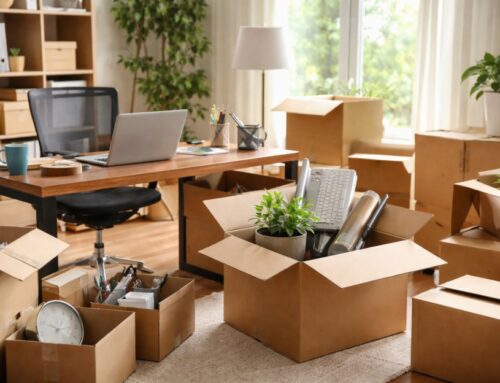
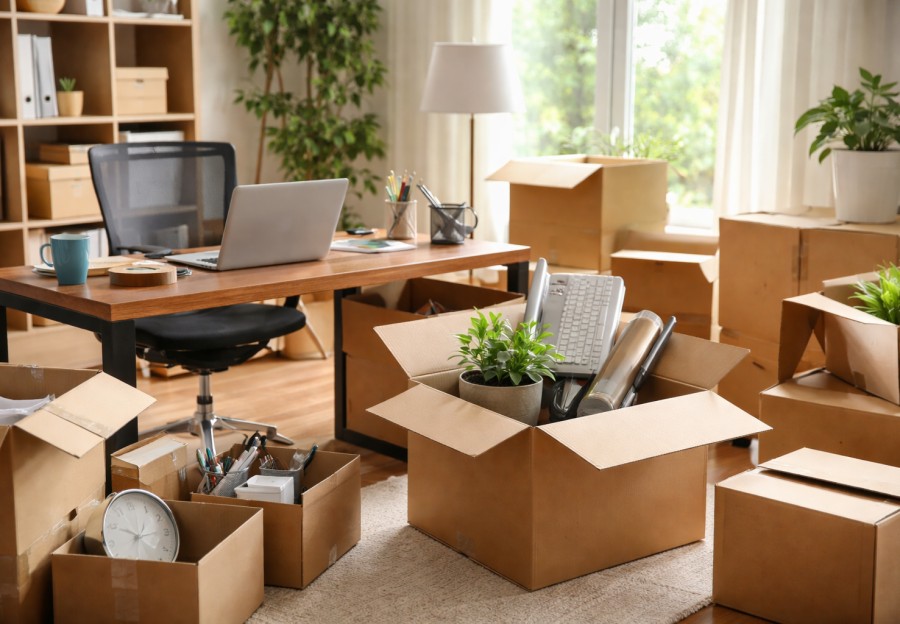
Home offices require careful attention to paper organization and electronics. Important documents should be grouped together in clearly labeled folders or portable file boxes so they stay accessible. Paper is vulnerable to moisture and bending, which makes rigid containers useful. Printers, monitors, and networking equipment benefit from original packaging if available, or from thick padding and rigid outer boxes. Data cable manufacturers note that repeated sharp bends can reduce cable lifespan by more than 50 percent due to conductor stress, so loose coiling matters. Labeling power adapters avoids mismatched voltage issues that shorten device life.
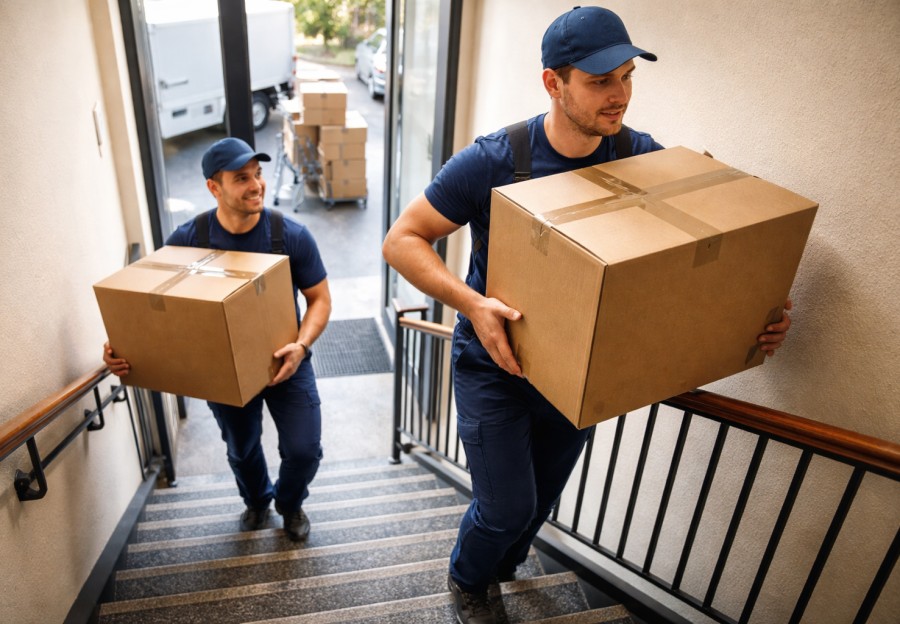
Garages, basements, and storage areas often hold the heaviest and most awkward items. Tools, sports equipment, seasonal décor, and bulk supplies should be grouped by use rather than by shelf location. Heavy items should be packed into smaller boxes to keep lifting weight manageable. Occupational safety data from the Bureau of Labor Statistics shows that overexertion injuries increase when loads exceed safe handling limits. Liquids such as automotive fluids and paints should be disposed of or transported separately due to safety regulations. The Environmental Protection Agency tracks thousands of hazardous waste incidents annually related to improper household chemical handling, which is why movers often refuse to transport these materials.
Laundry rooms bring together chemicals, appliances, and textiles. Detergents and cleaning solutions should be sealed and bagged separately to avoid leaks. Washer and dryer hoses should be drained and bundled to prevent residual water spills. Small laundry accessories like lint brushes and dryer balls should be grouped so they do not disappear into random boxes. Keeping this category together simplifies setup in the new home because laundry is often one of the first functional spaces people want operational.
Outdoor areas and balconies include furniture, planters, tools, and décor that may have been exposed to dirt or moisture. Cleaning items lightly before packing prevents contamination of indoor goods. Cushions should be dry before wrapping to prevent mildew growth. Horticultural studies show that damp fabric stored without ventilation can develop mold within 24 to 48 hours under warm conditions. Soil and live plants often face transport restrictions depending on region due to pest control regulations, so alternative arrangements may be necessary.
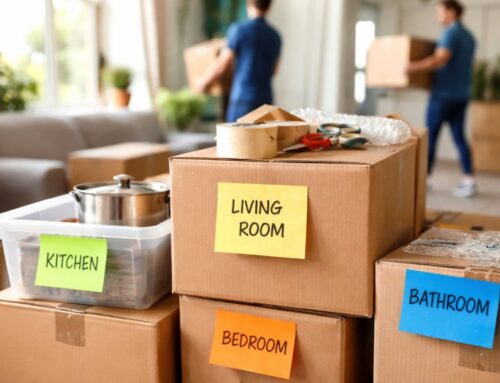
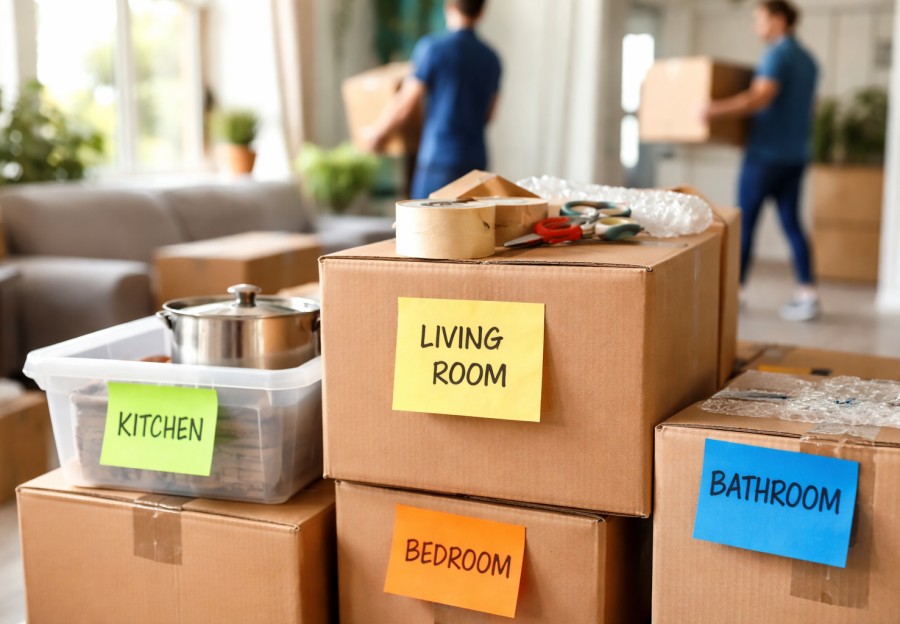
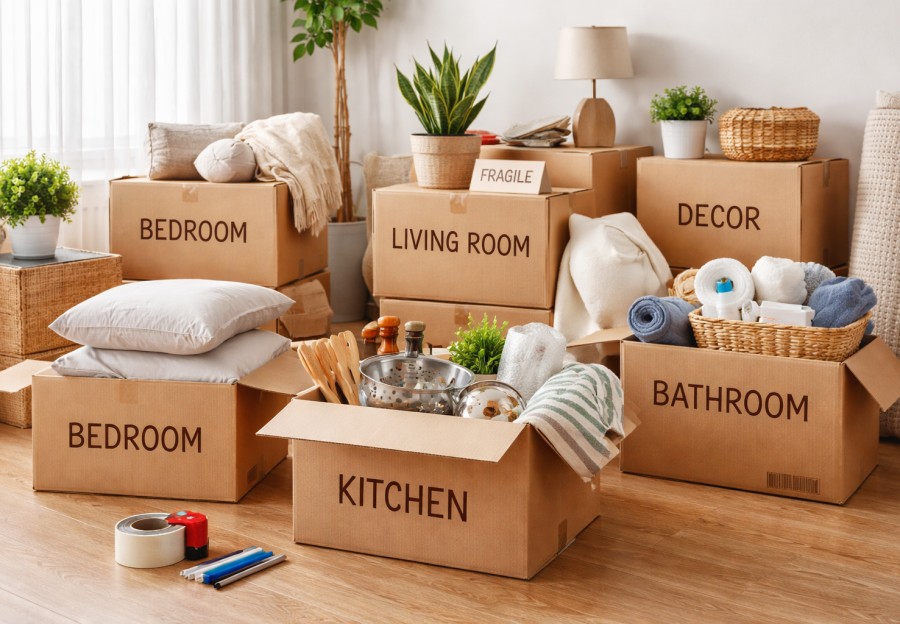
Across every room type, labeling consistency matters. Clear room names and simple handling notes reduce misplacement and re handling. Logistics studies show that strong visual identification reduces sorting errors by up to 30 percent in warehouse environments. The same benefit applies in residential moves. When boxes land in the correct rooms immediately, unpacking becomes faster and less chaotic.
Sequencing also improves efficiency. Pack low use rooms first and daily use spaces last. This reduces disruption and preserves access to essentials. Time motion research in manual workflows shows that logical sequencing reduces wasted movement and improves overall productivity by measurable margins, often cited between 15 and 25 percent.
Organizing packing by room type is not about perfection. It is about aligning how items live with how they travel and how they will be used again. Kitchens need protection and cushioning. Bedrooms need consolidation and personal care. Living spaces need surface protection and cable management. Offices need document security and electronics safety. Storage areas need weight control and hazard awareness. When each room is treated according to its function, the entire move becomes easier to manage.
The real payoff appears on the other end. Unpacking flows faster because boxes make sense. Damage drops because materials were packed appropriately. Stress falls because nothing feels lost or scattered. Moving will always require effort, but organization rooted in how each room works turns that effort into steady progress instead of controlled chaos.