March 13, 2026
How to move weightlifting equipment safely
Weightlifting equipment looks simple until you try to move it. Steel plates, power racks, benches, cable machines, and treadmills pack serious mass into compact shapes. One wrong lift can strain a back, damage flooring, crack a wall, or bend a frame that never quite lines up again. Moving gym equipment safely is not about brute strength. It is about planning, physics, and respecting how heavy objects behave when they start to move.
The numbers alone explain why caution matters. A standard Olympic bar weighs about 45 pounds. A single bumper plate can weigh up to 55 pounds. A modest home gym with a rack, bar, plates, bench, and accessories can easily exceed 600 to 1,000 pounds total. Steel density is roughly 490 pounds per cubic foot, which means small volumes create big loads. The Bureau of Labor Statistics consistently lists overexertion and improper lifting among the top causes of workplace injuries in material handling jobs. The same risk applies at home when people underestimate what they are lifting.
The first step is reducing weight before anything moves. Remove all plates from bars and machines. Detach cable stacks, accessories, and removable arms. Even reducing 10 to 20 percent of the load dramatically lowers strain and improves control. Biomechanics research shows that spinal compression increases sharply with small increases in load, especially during awkward angles and stair carries. Less weight equals less injury risk and better precision.
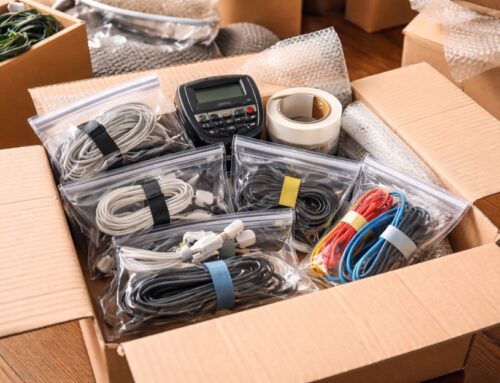
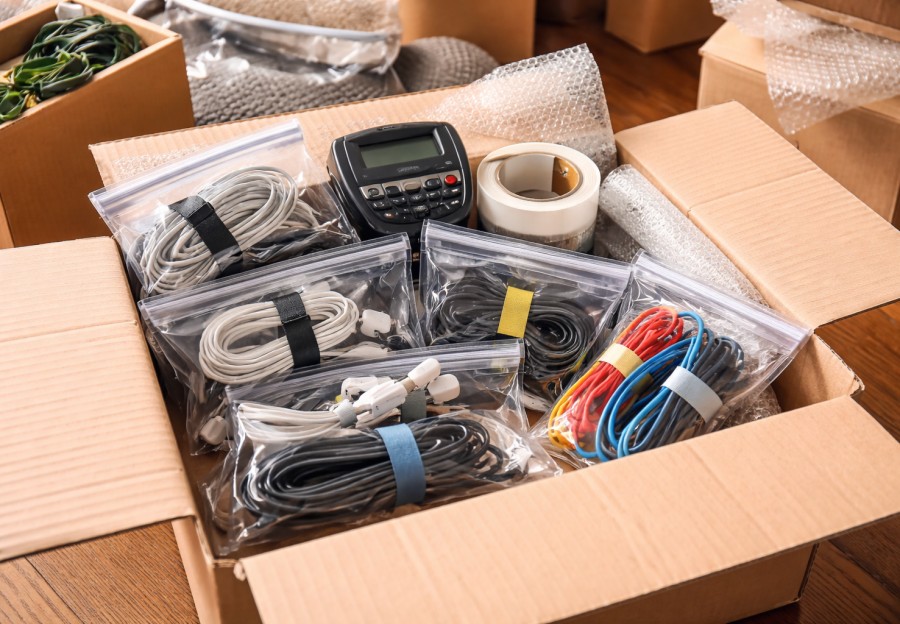
Organization matters early. Keep bolts, pins, collars, and hardware together in labeled bags so reassembly stays accurate. Manufacturing assembly studies show that part misidentification is one of the leading causes of assembly errors and stability problems. Losing one locking pin can compromise the entire structure later.
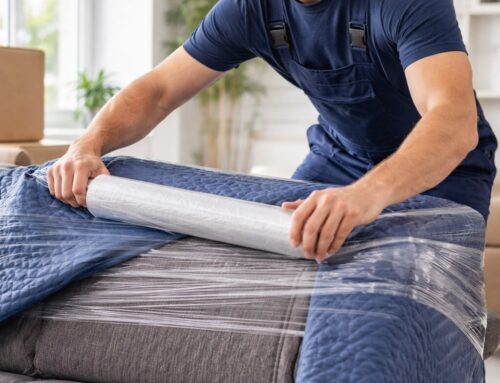
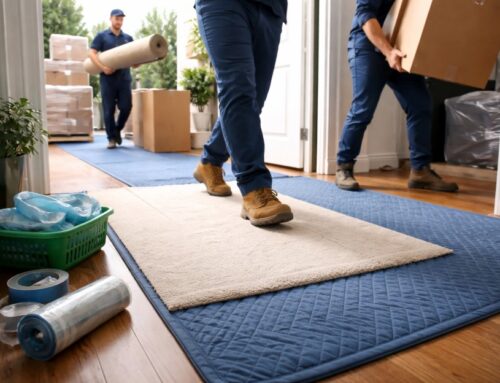
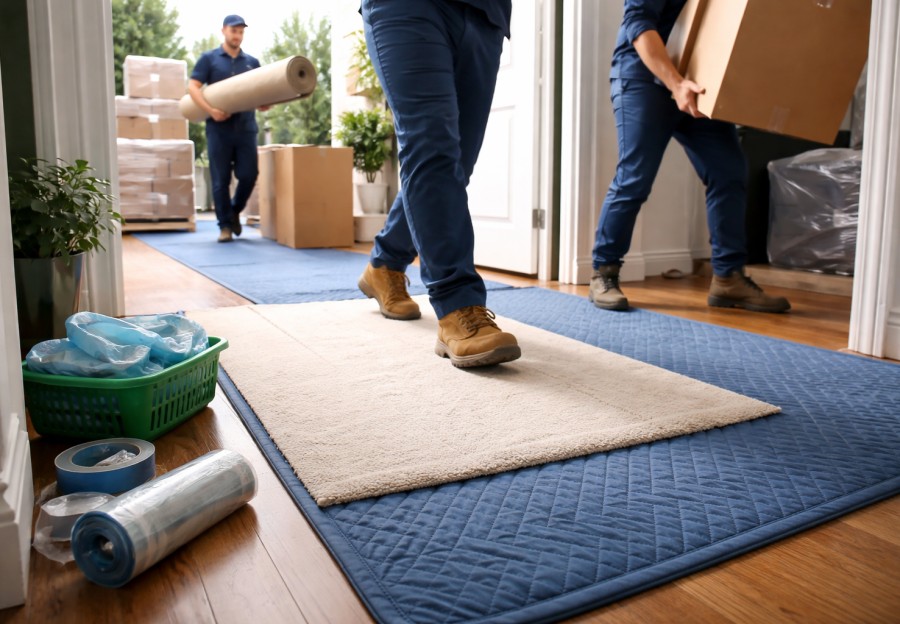
Protecting surfaces prevents secondary damage. Steel edges scratch hardwood and crack tile easily. Flooring repair surveys show that even small gouges often require professional refinishing that can cost hundreds of dollars. Thick cardboard sheets, moving blankets, or rubber mats create a protective layer that absorbs impact and prevents point pressure on finished floors.
Disassembly improves safety and fit. Power racks, squat stands, cable machines, and selectorized equipment are designed to break down into manageable sections. Structural engineering data shows that long rigid frames experience higher bending stress when carried through turns and stairs. Shorter sections reduce torque and improve balance. Take photos before disassembly so alignment stays correct during reassembly.
Grip quality changes everything. Bare steel becomes slippery with sweat, dust, or condensation. Human factors research shows that grip instability increases drop risk and muscle strain because the body compensates with higher tension. Wearing gloves with good traction and using lifting straps or furniture dollies improves control and reduces sudden slips.
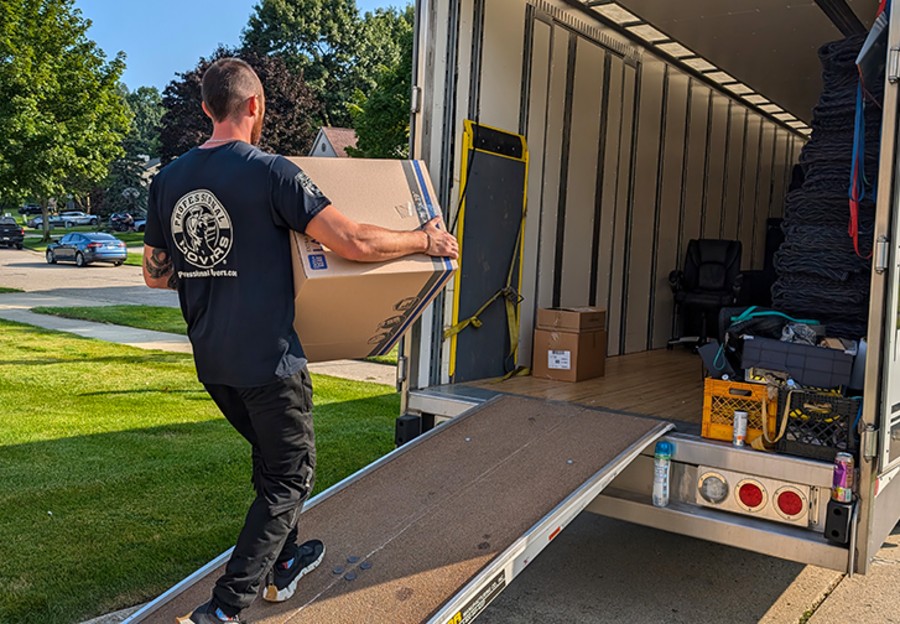
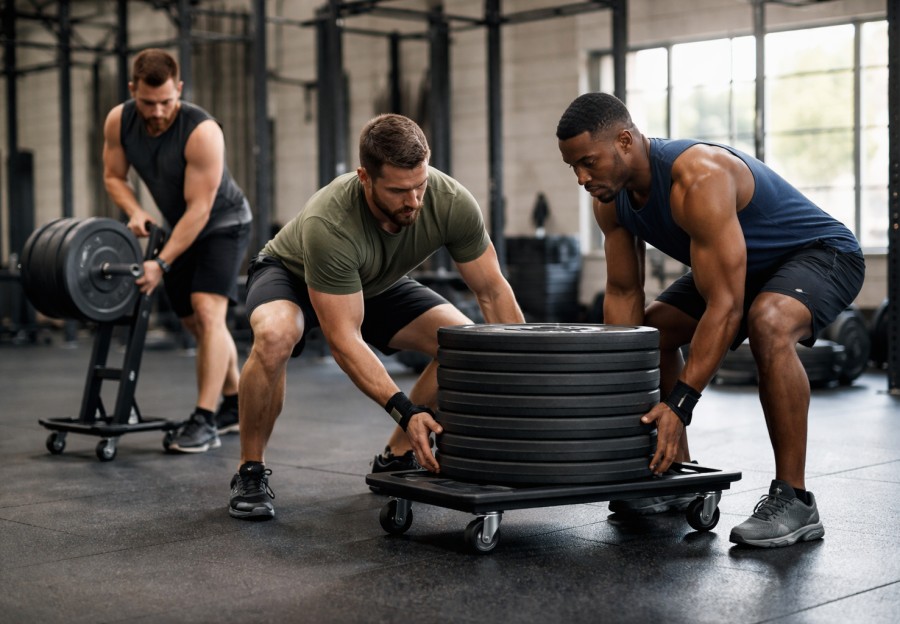
Dollies and carts are essential for heavier components. A quality appliance dolly rated for 800 to 1,200 pounds can safely handle plate stacks and heavy frames when balanced correctly. Transportation safety testing shows that rolling loads require far less force than carrying, which reduces fatigue and injury probability. Strapping the load tightly to the dolly prevents shift during ramps or thresholds.
Weight distribution matters when stacking plates for transport. Flat stacking spreads load evenly and reduces rolling risk. Placing rubber mats or cardboard between plates reduces metal on metal abrasion. Materials wear studies show that repeated vibration between hard surfaces accelerates edge chipping and finish wear even without visible impacts.
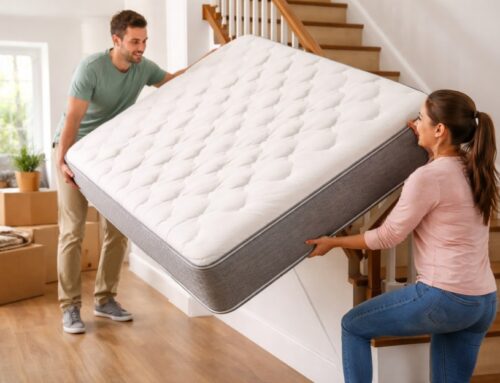
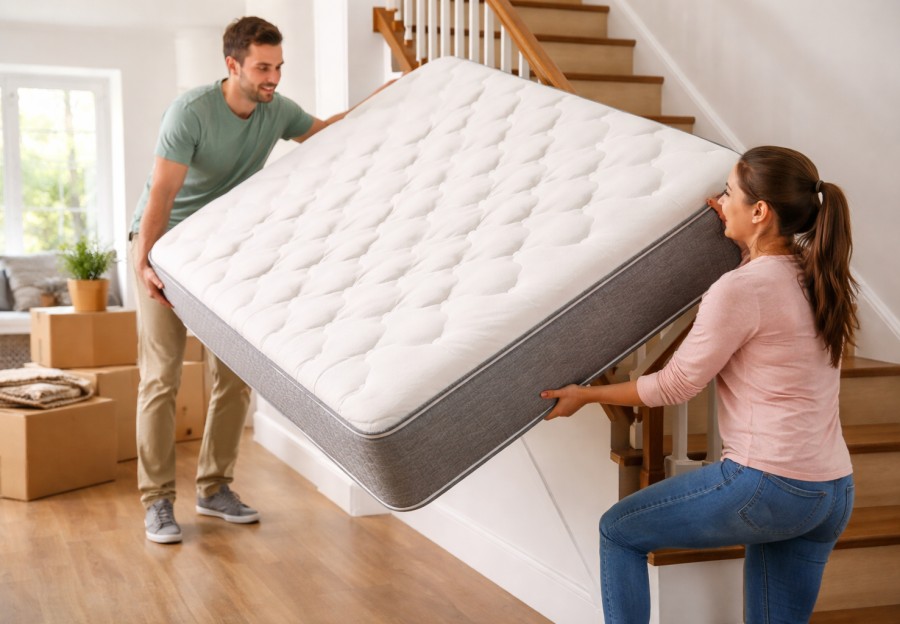
Stairs require special caution. Carrying dense objects up or down stairs increases fall risk significantly. Occupational safety research links stair carries with higher injury rates due to balance challenges and limited visibility. If stairs are unavoidable, keep loads smaller and use two people when possible so control remains steady. Moving one 45 pound plate at a time may feel slow, but it protects joints and prevents accidents.
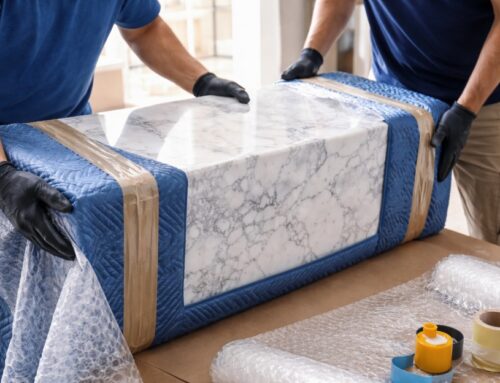
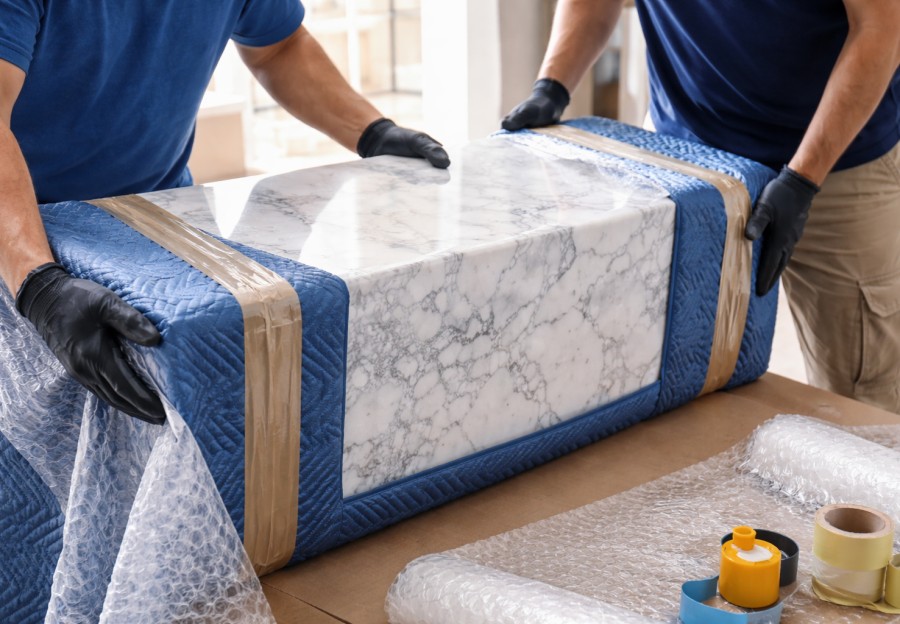
Doorways and tight turns create pinch hazards. Steel corners easily chip trim and drywall. Home repair cost data shows that minor wall repairs and repainting often exceed the cost of proper padding materials. Wrapping frames and protruding arms with moving blankets or foam absorbs impact and protects finishes.
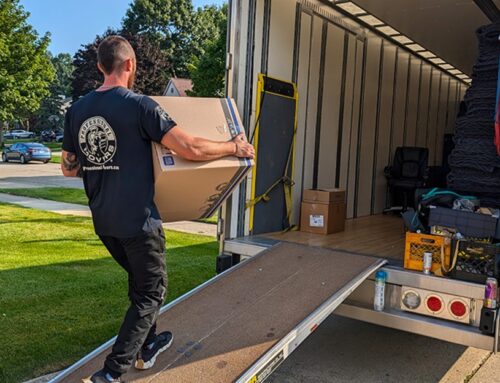
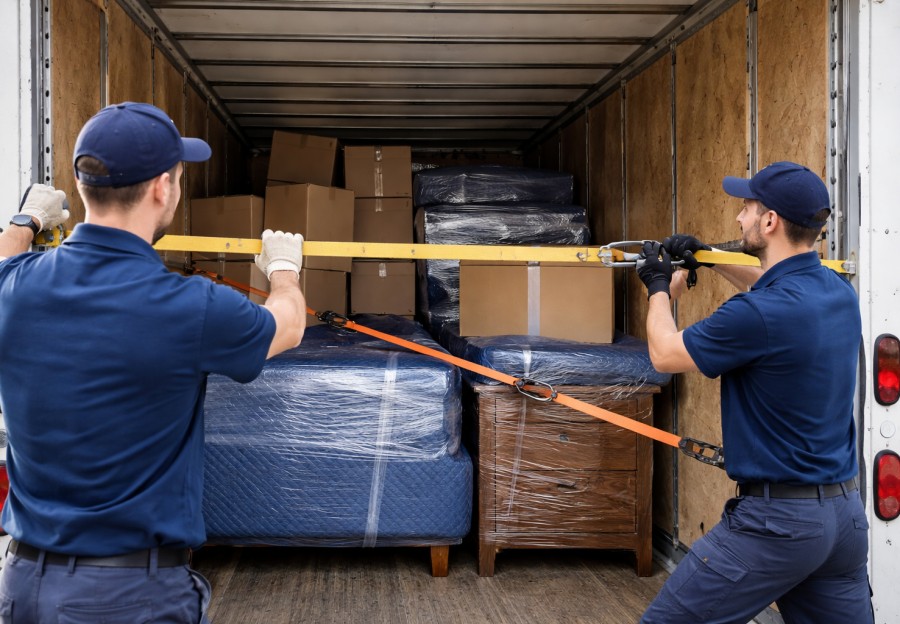
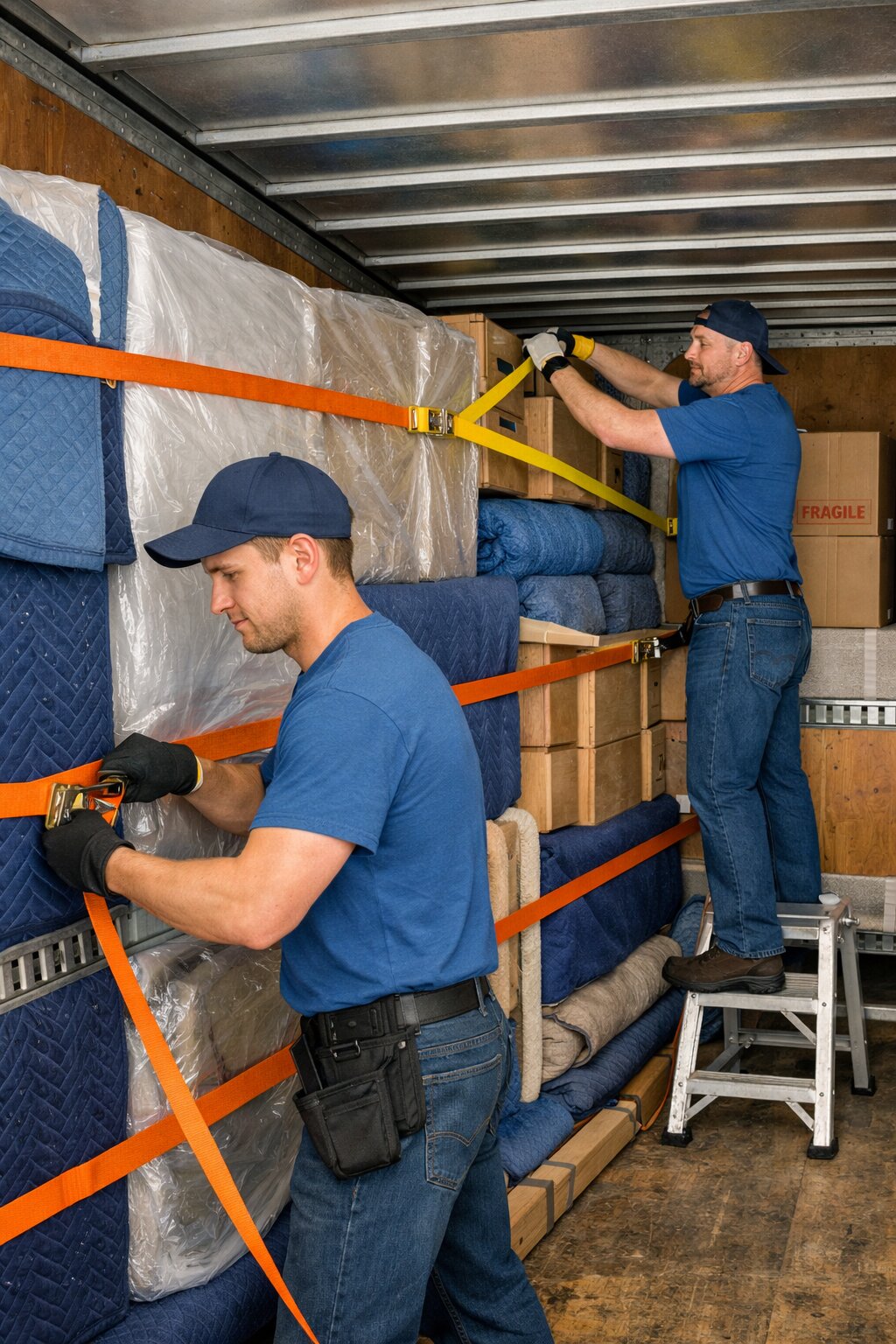
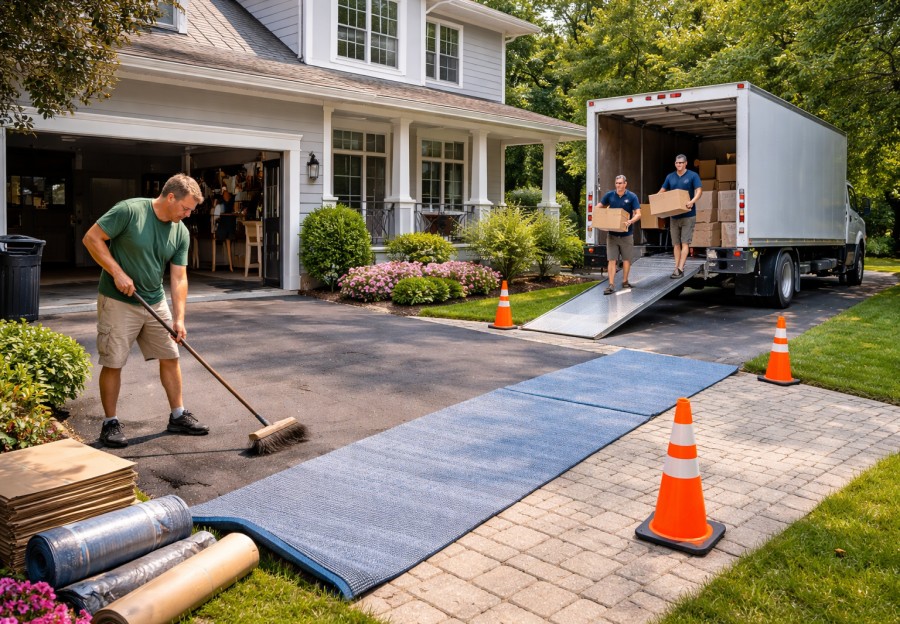
Vehicle loading strategy affects both safety and equipment condition. Heavy items should ride low and near the front of the truck where suspension movement is lower. Transportation vibration studies show that vibration amplitude increases near truck walls and upper stack levels. Securing equipment against padded surfaces such as mattresses or sofas reduces metal on metal contact and absorbs vibration energy.
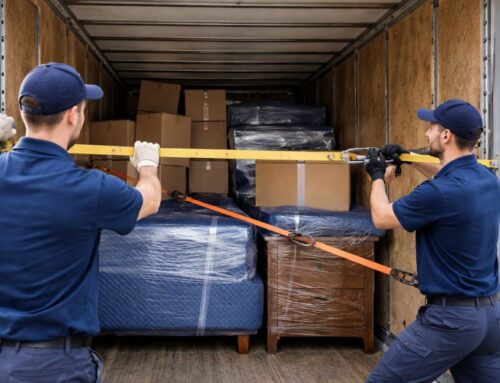
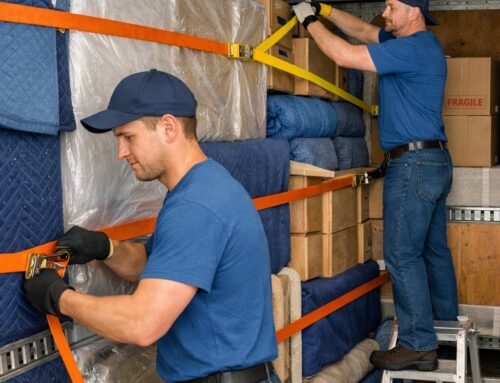
Strapping is not optional for gym equipment. Steel frames become dangerous projectiles if they shift during braking. Cargo securement research shows that restrained loads withstand forward forces far better than unrestrained loads during sudden stops. Use rated straps and anchor points rather than relying on wedging alone.
Moisture control protects metal surfaces. Condensation forms easily when temperature changes during transport. Vehicle interior temperature studies show that closed trucks can exceed outdoor temperatures by more than 20 degrees Celsius within an hour in direct sun, then cool rapidly later. That cycle increases condensation risk on steel surfaces, which promotes corrosion. Wiping equipment dry before loading and using breathable padding reduces trapped moisture.
Electronics in modern gym equipment deserve special care. Treadmills, smart bikes, and digital consoles contain sensitive components. The Consumer Technology Association reports that the average household owns more than 20 connected devices, many of which are sensitive to vibration and moisture. Allow electronics to cool fully before packing and avoid sealing damp components inside plastic.
Reassembly accuracy protects long term safety. Misaligned racks and loose bolts increase failure risk under load. Mechanical engineering studies show that improper torque and misalignment accelerate metal fatigue and joint loosening over time. Use proper tools and tighten evenly rather than forcing one side fully before alignment is complete.
Floor load limits should be considered in the new space. Residential building codes often assume distributed live loads of roughly 30 to 40 pounds per square foot in living areas, though this varies by region and construction. Concentrating several hundred pounds of plates in a small footprint can exceed local load assumptions and stress flooring systems. Spreading plates along a wall or using a platform distributes weight more safely.
Rubber flooring protects both equipment and structure. Impact testing shows that rubber mats reduce transmitted vibration and point loading on subfloors. This reduces noise, protects fasteners, and improves long term stability of both the equipment and the building.
Personal safety deserves constant attention. Hydration and pacing matter during heavy handling. Occupational health research shows that fatigue increases injury risk and reduces reaction time. Take breaks, rotate tasks, and avoid rushing even if time feels tight.
Planning access paths ahead of time saves strain. Measure door widths, stair clearances, and hallway turns. Fitness equipment manufacturers publish footprint dimensions that often surprise owners once door frames are measured. Avoiding last minute pivots with heavy loads prevents dropped equipment and wall damage.
There is also a financial incentive to careful handling. Replacing bent frames, damaged bearings, or cracked consoles can cost hundreds or thousands of dollars depending on the brand and part availability. Fitness industry pricing data shows that replacement parts for premium equipment often approach a significant percentage of the original purchase price. Prevention protects that investment.
Environmental impact matters too. The Global E Waste Monitor reports millions of tons of electronic waste generated annually worldwide. Extending the life of fitness equipment reduces unnecessary disposal and manufacturing emissions.
Insurance coverage should be understood. Many basic moving policies reimburse based on weight rather than replacement value, which rarely reflects the true cost of gym equipment. Reviewing coverage options protects against financial loss if damage occurs.
Noise and neighbor considerations may apply in apartments or shared buildings. Heavy rolling loads and stair carries generate vibration that can disturb neighbors or damage common areas. Building management guidelines often restrict heavy moves to certain hours. Planning within those limits prevents complaints and penalties.
Psychologically, controlled handling reduces anxiety. Stress research consistently ranks moving among the top life stressors. Removing fear around heavy equipment improves overall decision making and energy throughout the move.
Moving weightlifting equipment safely comes down to reducing load, protecting surfaces, using mechanical advantage, securing transport, controlling moisture, and respecting human limits. Real data from workplace safety, transportation engineering, materials science, and building standards all support the same conclusion. Heavy objects demand planning, not speed.
When done correctly, equipment arrives intact, floors stay protected, bodies stay healthy, and the new workout space comes together smoothly. The effort invested in careful handling pays off every time you load a bar, rack a plate, and train confidently in your new space without lingering damage or injury regrets.