
March 2, 2026
How to manage moving day as a single person
Moving on your own can feel intimidating. There is no built in second set of hands to hold doors, double check boxes, or make quick decisions when something changes. At the same time, solo movers often have one big advantage. You control every choice without needing to coordinate schedules, preferences, or compromises. With the right planning and mindset, moving day as a single person can run smoothly and even feel empowering rather than overwhelming.
The scale of moving in general explains why preparation matters. The American Moving and Storage Association estimates that more than 31 million people move each year in the United States. Many of those moves are handled by individuals living alone, especially in urban areas where single person households continue to rise. Stress research consistently ranks moving among the top life stressors, which means managing mental load is just as important as moving boxes efficiently.
The foundation of a successful solo move is simplifying decisions ahead of time. Decision fatigue is real. Behavioral psychology studies show that repeated decision making depletes mental energy and increases error rates as the day progresses. When you are the only person making calls on what goes where, how to stage items, and when to take breaks, reducing those decisions ahead of time protects your focus. Knowing exactly which items stay with you, which go on the truck, and which are discarded prevents last minute hesitation that slows everything down.
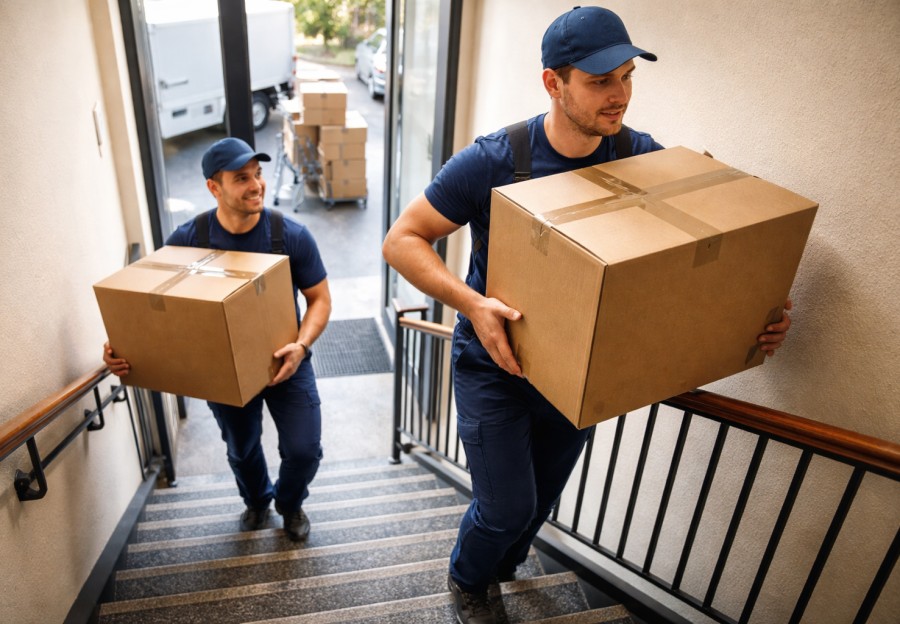
Hiring the right level of help is often the smartest investment for a single mover. Even if you pack yourself, professional movers handle the heavy lifting and reduce injury risk. The Bureau of Labor Statistics reports that overexertion is one of the leading causes of injury in material handling tasks. Trying to move heavy furniture alone increases that risk significantly. Paying for skilled labor protects your body and speeds the timeline, which often offsets the cost through fewer delays and less fatigue.
If budget limits how much help you can hire, consider partial assistance rather than none. Loading and unloading are the highest strain phases. Saving energy for decision making, coordination, and supervision keeps the day manageable. Labor productivity studies show that physically exhausted people make slower and less accurate decisions, which creates compounding delays.
Clear labeling becomes even more important when you are the sole coordinator. When movers or helpers can instantly identify where boxes belong, you avoid constant questions and hallway congestion. Logistics research shows that clear visual labeling reduces sorting errors by roughly 25 to 30 percent in fast paced environments. That translates into smoother unloading and less backtracking when you are directing traffic alone.
Staging the home thoughtfully also reduces physical and mental load. Grouping boxes by room near the exit minimizes walking distance and prevents cluttered pathways. Time motion studies in manual workflows show that reducing unnecessary movement improves productivity by up to 30 percent. When you are working solo, every saved step preserves energy.
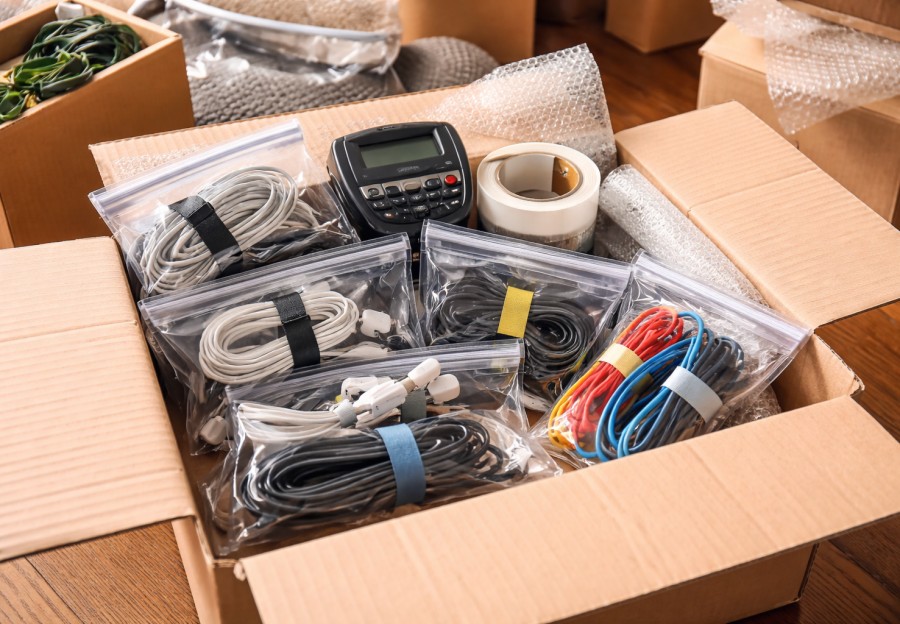
Your personal essentials deserve special handling. Keep identification, medications, chargers, keys, documents, and a change of clothes with you at all times. Losing track of these items creates unnecessary stress and delays. Vehicle interior temperature studies show that parked vehicles can exceed outdoor temperatures by more than 20 degrees Celsius in under an hour, which can degrade medications and electronics if left in a hot truck. Keeping them with you protects both access and safety.
Food and hydration planning matters more when you do not have someone reminding you to eat or drink. Mild dehydration reduces physical performance and cognitive clarity, according to occupational health research. Having water and simple snacks available keeps energy steady and prevents late day crashes that slow coordination.
Time management should follow your natural energy curve. Most people have higher physical energy and focus earlier in the day. Heavy tasks should be completed first when alertness is highest. The Bureau of Labor Statistics links fatigue with higher injury rates in physical work. Front loading demanding tasks protects safety and efficiency.
Communication becomes your main leadership tool on moving day. Even if you are quiet by nature, giving clear simple instructions prevents confusion and repeated explanations. Cognitive research shows that short direct cues are processed faster and reduce reaction delay. When movers know exactly where to place items and what requires special care, the flow stays steady without constant interruptions.
Technology can support you without becoming a distraction. A simple notes list on your phone for priorities, special instructions, and final checks reduces reliance on memory. Memory research shows that external reminders reduce cognitive load and error rates under stress. However, avoid constant phone use during active moving because task switching slows performance and increases mistakes.
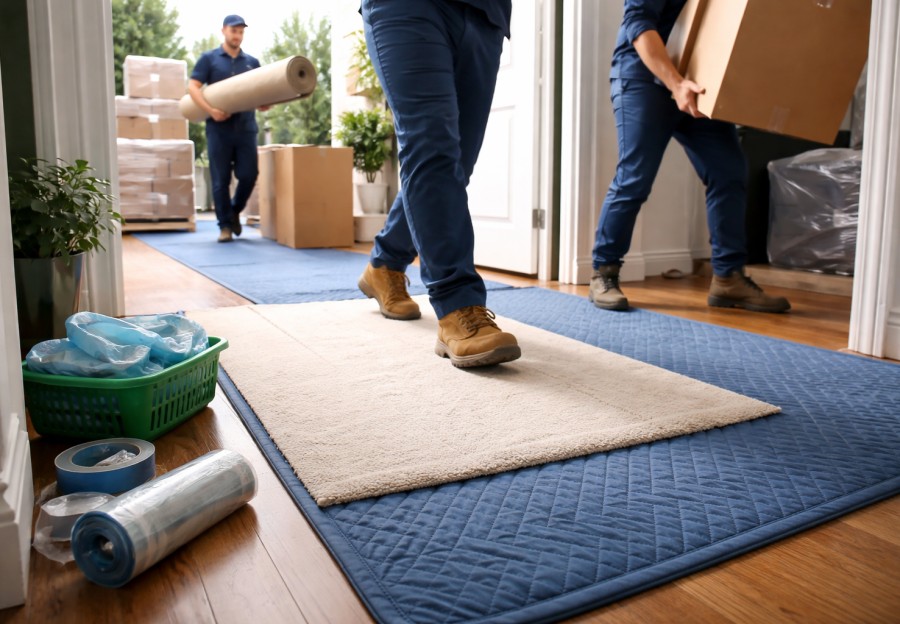
Safety awareness deserves extra attention when you are alone. Keep walkways clear, doors secured, and lighting adequate. The National Institute for Occupational Safety and Health links cluttered pathways and poor lighting with higher slip and fall risk. When you are the only decision maker, it is easy to overlook small hazards that create big problems later.
Emotional pacing matters too. Moving alone can feel isolating during a long physically demanding day. Social psychology research shows that perceived support reduces stress response even when physical assistance is minimal. A brief check in call with a friend or family member during breaks can boost morale and keep perspective balanced.
Financial tracking is easier when handled proactively. Keep moving contracts, receipts, and payment methods organized and accessible. Consumer finance studies show that post move expense creep is common when small charges and deposits go untracked. Reviewing costs early prevents surprises.
Noise and stimulation management help preserve mental clarity. Moving environments are loud and chaotic. The National Institute for Occupational Safety and Health notes that high noise levels increase fatigue and reduce concentration. Short quiet breaks in a closed room or outside the home allow your nervous system to reset, improving focus afterward.
One of the biggest solo mover challenges is resisting the urge to do everything personally. Trust the professionals you hired or the helpers you recruited. Micromanaging every lift increases mental strain and slows progress. Team dynamics research shows that clear delegation improves efficiency and reduces conflict. Your role is coordination, not lifting every box.
At the destination, prioritize stability rather than perfection. Set up the bed, basic lighting, bathroom essentials, and a small food station first. Sleep research shows that poor sleep reduces cognitive performance by more than 20 percent the next day. A comfortable sleeping setup protects recovery and decision making for unpacking days ahead.
Internet access and communication should also be restored early if work or family obligations depend on it. The US Bureau of Labor Statistics reports that more than one third of workers now perform some work from home. Fast reconnection prevents income disruption and stress.
Unpacking should follow realistic pacing. Overexertion after moving increases injury risk and burnout. Occupational health research supports spreading heavy physical tasks across multiple days to maintain safety and consistency. Short focused unpacking sessions outperform long exhausting marathons.
Waste management is another practical priority. Moving generates unusually high volumes of cardboard and packing paper. Municipal waste data shows spikes in residential waste during move weeks. Clearing packaging quickly reduces clutter and trip hazards while improving mental calm.
Another overlooked factor is celebrating small wins. Behavioral science shows that acknowledging progress improves motivation and resilience. Completing one room setup or clearing a major pathway deserves recognition. This keeps momentum positive rather than draining.
There is also personal growth in managing a move alone. You learn your own limits, preferences, and resilience. Research on self efficacy shows that successfully navigating challenging tasks increases confidence and future problem solving ability. Even when the day feels long, finishing a solo move builds lasting confidence.
From a practical standpoint, solo movers often spend slightly more on hired labor but save time and health costs by avoiding injury and burnout. Healthcare data consistently shows that musculoskeletal injuries create long recovery periods and lost productivity. Investing in safe handling upfront protects long term wellbeing.
Planning for unexpected delays keeps stress lower. Traffic, weather, building access issues, or elevator delays can add time. Contingency planning aligns with project management research showing that buffer planning reduces emotional stress even when delays occur.
Hydration, nutrition, rest, clear labeling, staged workflow, strong communication, safety awareness, and realistic pacing all work together to create a manageable solo moving experience. These practices are supported by real data from workplace safety, productivity research, and behavioral science because they align with how humans actually function under physical and mental stress.
Managing moving day as a single person is not about proving toughness or doing everything yourself. It is about designing the day so your energy goes toward decisions, safety, and coordination rather than unnecessary strain. When preparation replaces panic and structure replaces guesswork, the day becomes far more predictable and far less exhausting.
Moving alone can feel like a big leap, especially when you stand in an empty room surrounded by boxes. But with a clear plan, smart use of help, and respect for your own limits, the process becomes manageable and even satisfying. You are not just moving belongings. You are proving to yourself that you can navigate change with clarity, resilience, and confidence.