
March 21, 2026
How to handle last-second furniture breakdowns
Few moments spike moving day stress like a piece of furniture that suddenly refuses to cooperate. A bed frame bolt spins freely. A table leg snaps loose. A cabinet door falls off as you lift it. These breakdowns feel catastrophic when the truck is waiting and everyone is tired. The good news is that most last second furniture failures are manageable when you understand why they happen and how to stabilize the situation quickly without creating new damage or injury.
Furniture breakdowns are more common than people think. Consumer durability studies show that many mass market furniture items are designed for light daily loads, not repeated disassembly, torque stress, or vibration. Flat pack furniture in particular relies on particle board and cam lock systems that weaken after multiple moves. Particle board loses structural integrity when screws are removed and reinserted because the compressed wood fibers no longer grip as tightly. Engineering tests show that screw pull out strength in particle board can drop by more than 30 percent after repeated fastener cycles.
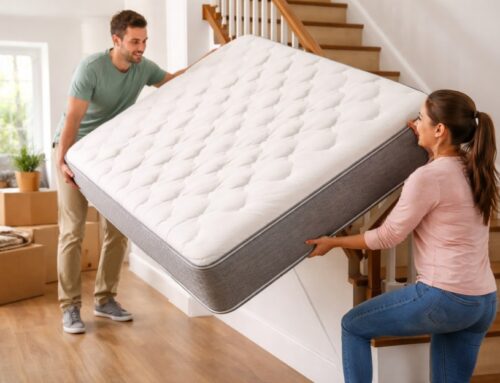
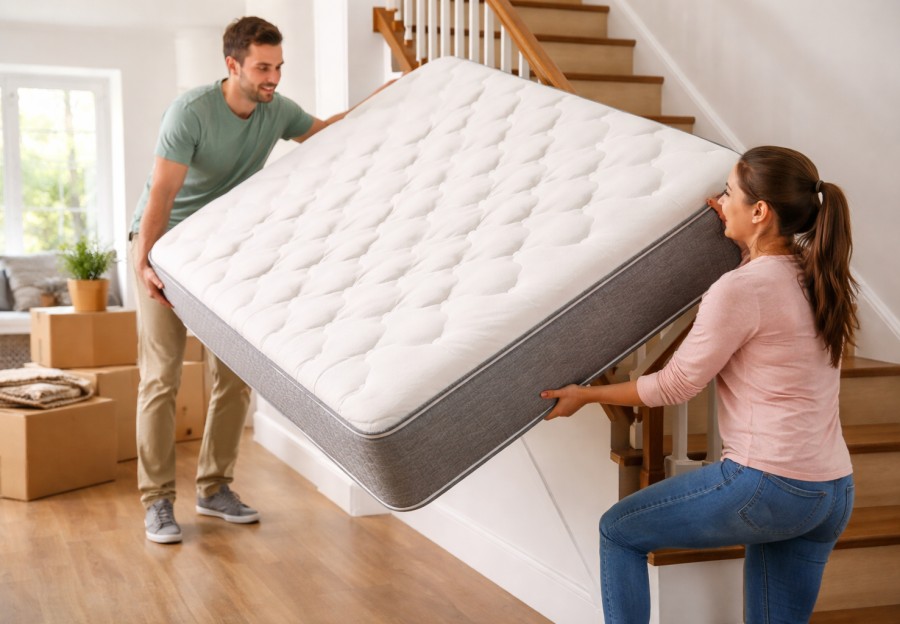
Weight and leverage amplify small weaknesses. A queen bed frame can weigh 120 pounds or more when assembled. When lifted unevenly through doorways or stairs, torque loads concentrate on joints that were never designed for twisting. Structural mechanics research shows that torsion creates higher stress than simple vertical load in many composite materials. That stress shows up suddenly as cracking, loosening, or joint failure.
The first priority when something breaks is safety. The Bureau of Labor Statistics consistently reports that overexertion and contact with objects are leading causes of moving related injuries. When a joint fails, weight shifts instantly and people reflexively try to catch it. That reaction causes strained backs, crushed fingers, and falls. The safest move is to stop, lower the piece carefully to a stable surface, and reassess rather than trying to power through.
Once the piece is stable, evaluate whether the breakdown affects structural integrity or just cosmetic attachment. A loose drawer face or detached cabinet door is inconvenient but not load bearing. A cracked bed rail, broken chair rung, or separated table apron affects the ability of the piece to support weight safely. Knowing the difference helps you decide whether the piece can travel intact with temporary stabilization or must be fully disassembled.
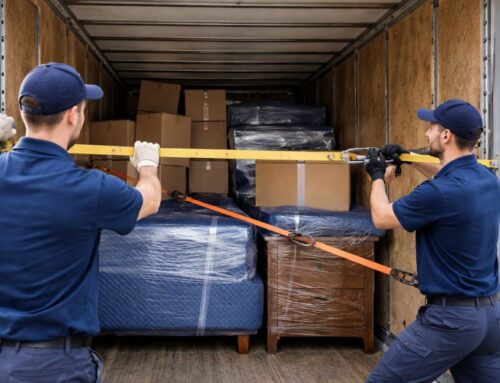
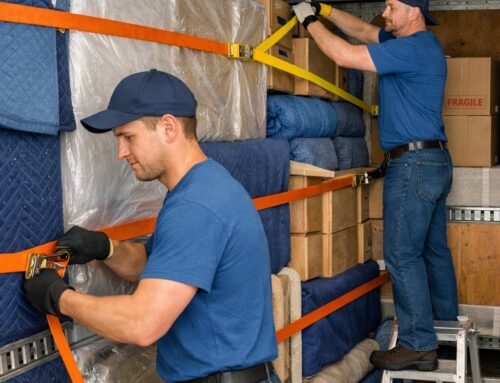
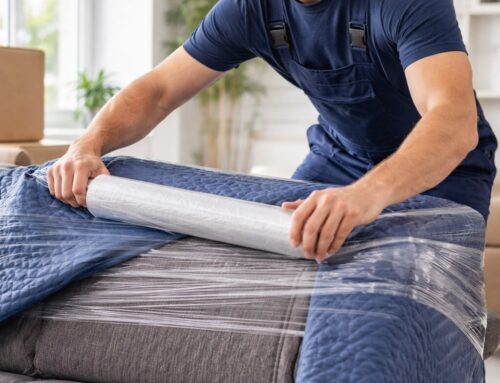
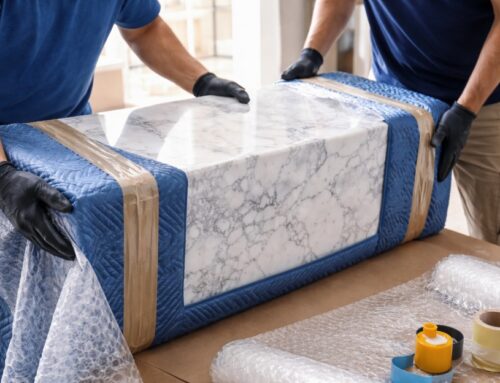
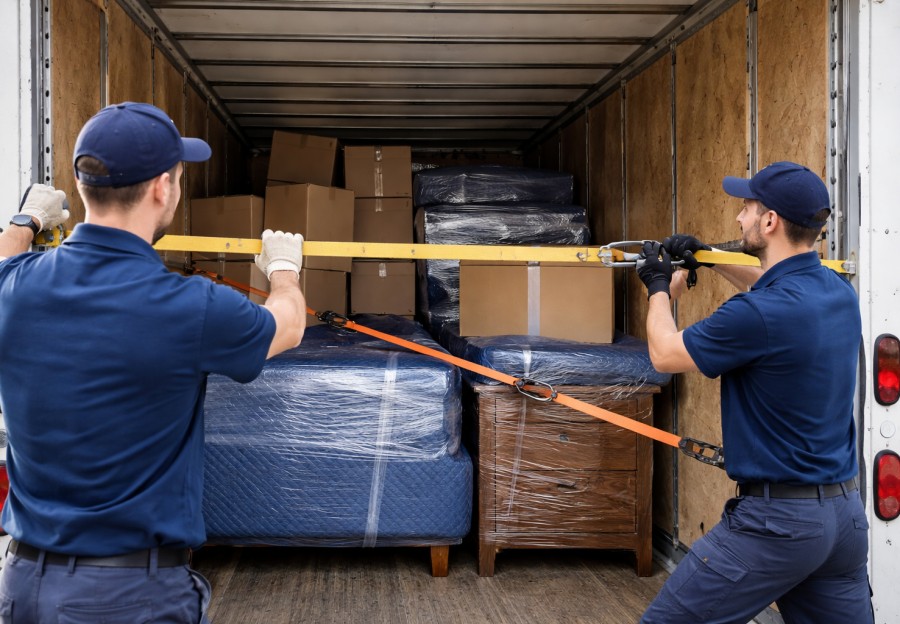
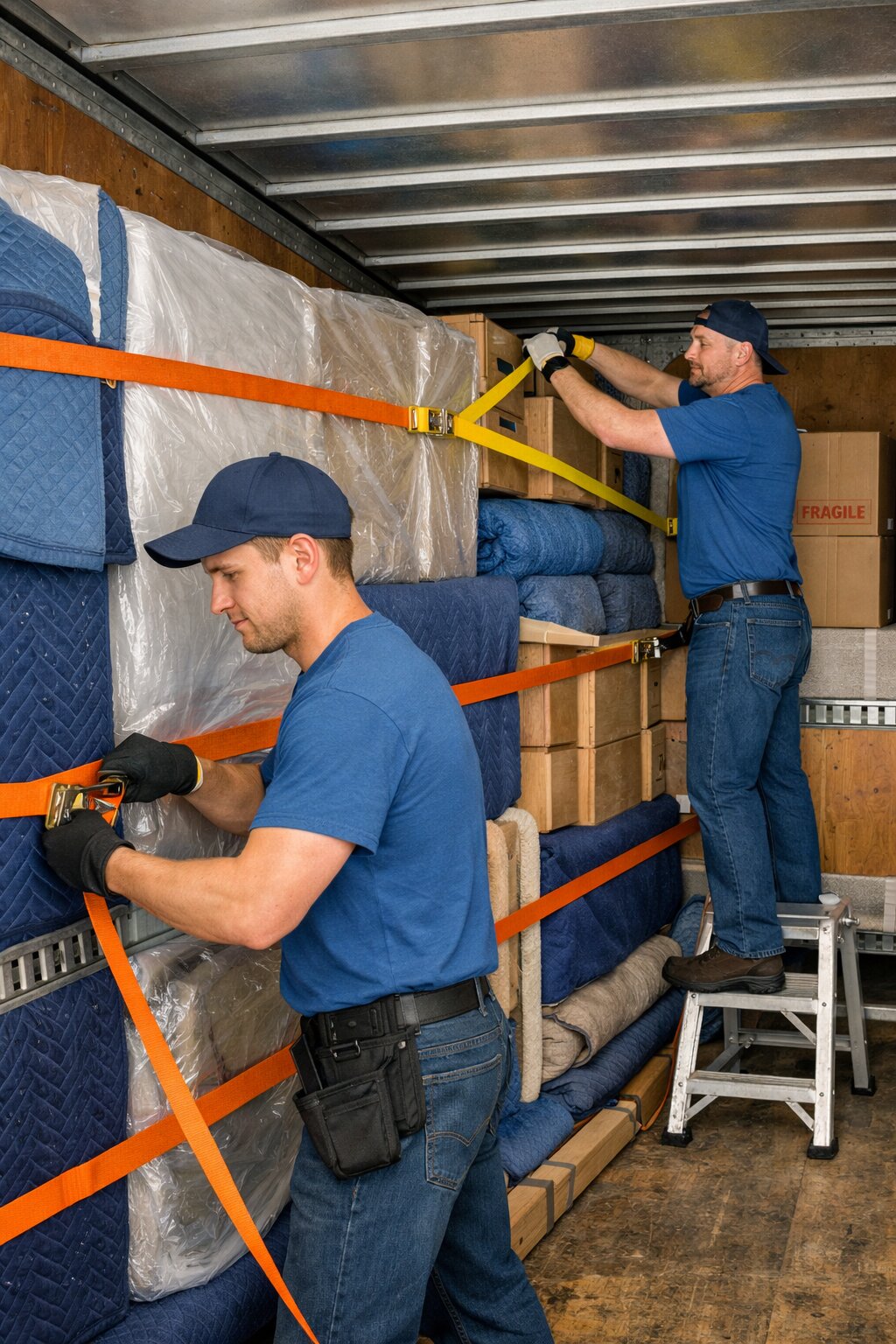
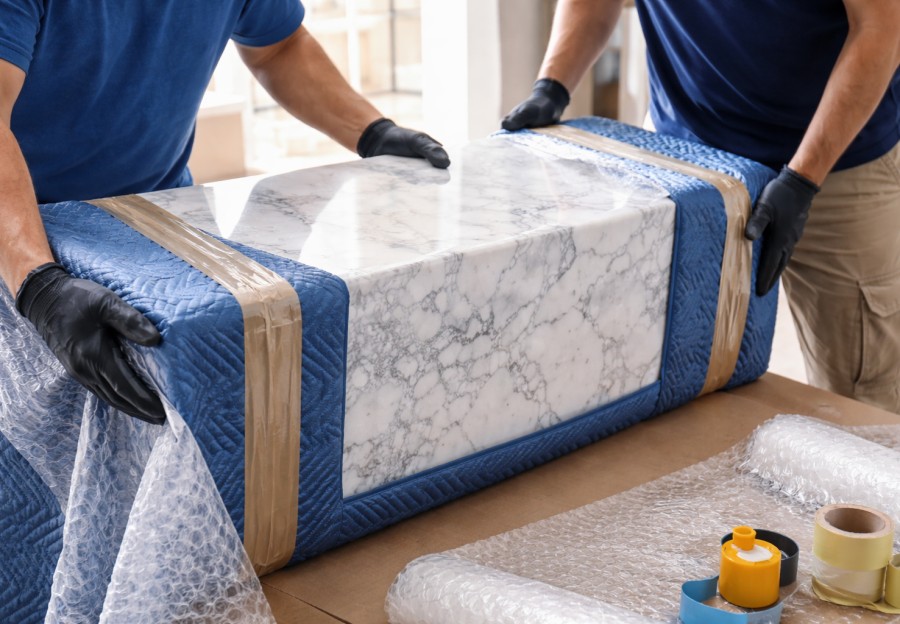
Temporary stabilization often solves the immediate problem. Moving straps, ratchet straps, stretch wrap, and padding can hold components together long enough for transport without forcing stressed joints to carry weight. Packaging engineering studies show that distributed restraint reduces localized stress and prevents further propagation of cracks during vibration. Wrapping also increases friction between surfaces so parts do not slide against each other during transit.
Padding does more than protect finishes. Thick blankets and foam absorb micro vibration that would otherwise work loose already weakened joints. Transportation vibration testing shows that repeated small oscillations accelerate fastener loosening and joint fatigue over time. Extra padding slows that process during the move.
If hardware fails such as stripped bolts or missing screws, do not overtighten replacements. Over torque splits particle board and soft woods, making the problem worse. Mechanical fastener research shows that exceeding recommended torque reduces long term holding strength and increases crack propagation. If a fastener no longer holds securely, stabilizing externally with straps and padding is often safer than forcing a new screw into compromised material.
Disassembly becomes the safer choice when a structural joint cannot be stabilized. Breaking a piece into smaller manageable sections reduces bending stress and prevents total collapse during carrying. Time motion studies in material handling show that shorter rigid components are easier to control and produce fewer collision events in tight spaces. Even if disassembly adds time, it often prevents much larger damage or injury.
Documenting the breakdown helps later repair decisions. A quick photo captures where the failure occurred and how parts align. Manufacturing repair data shows that accurate documentation improves reassembly success and reduces missing part errors. This also helps if you pursue warranty claims or professional repair later.
Improvised repairs should be avoided unless you truly understand the structure. Wood glue requires clamping time and proper surface preparation to achieve strength. Nails or screws driven hastily can split frames or create hidden weakness. A rushed repair often fails again under vibration and load, sometimes more dramatically than the original failure.
Weight redistribution reduces stress on damaged pieces during the rest of the move. Keep compromised furniture lighter by removing drawers, shelves, cushions, or detachable components. Reducing load lowers bending and shear forces on weakened joints. Biomechanics research shows that even modest load reductions significantly reduce joint stress and injury risk during lifting.
Truck placement matters after a breakdown. Damaged items should ride low, supported on padded surfaces, and isolated from heavy compression. Transportation safety data shows that vertical load pressure increases during braking. Placing weakened furniture under dense boxes or appliances increases collapse risk. Using mattresses or sofas as buffer layers absorbs shock and distributes pressure.
Environmental factors also influence breakdown behavior. Heat softens adhesives and composite materials. Cold increases brittleness. Vehicle interior temperature studies show that closed trucks can exceed outdoor temperatures by more than 20 degrees Celsius in direct sun. A marginal joint that survived indoors may fail under thermal stress combined with vibration. Extra padding and strategic placement help buffer those effects.
Time pressure worsens mistakes. Behavioral research shows that cognitive error rates increase significantly when people feel rushed and fatigued. Moving day fatigue compounds this effect. Taking a few minutes to stabilize a broken piece prevents cascading problems that cost far more time later.
From a cost perspective, controlled handling protects value. Furniture repair pricing surveys show that structural repairs on wood frames often cost hundreds of dollars, sometimes approaching replacement cost for mid range furniture. Preventing additional damage during the move preserves repair options and resale value.
Insurance considerations matter too. Many moving policies cover damage that occurs during transit but not pre existing structural failure. Documenting when the breakdown occurred and how it was stabilized helps clarify responsibility if further damage occurs. Claims processing data shows that documentation speeds resolution and reduces disputes.
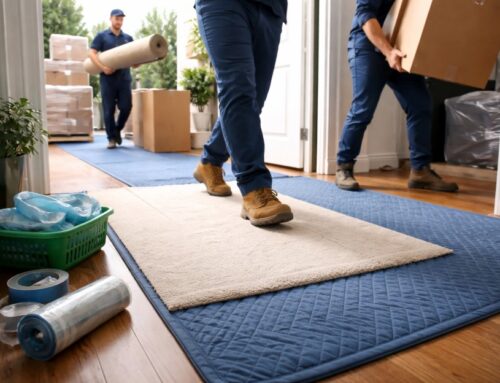
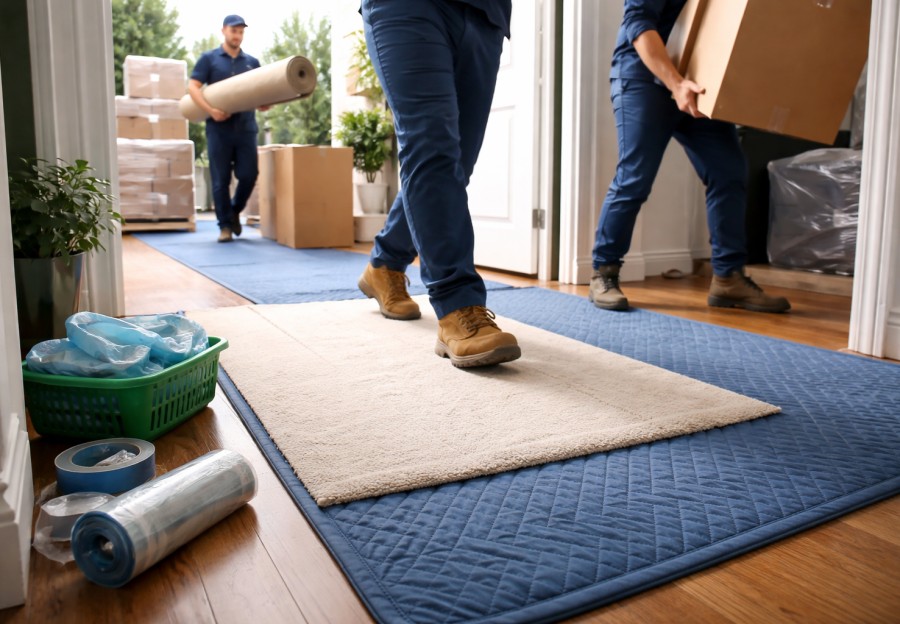
There is also a building protection angle. Broken furniture edges create sharp protrusions that gouge walls, chip trim, and scratch floors. Home repair cost data shows that minor drywall repair and repainting often exceeds the cost of proper padding materials. Stabilizing loose components reduces secondary property damage.
Emotional response plays a role in how people react to breakdowns. Stress research shows that unexpected disruptions amplify perceived loss of control during already stressful events like moving. Slowing down, regaining structure, and focusing on immediate containment restores a sense of control and reduces impulsive decisions.
Planning ahead reduces the chance of last second surprises. Furniture inspection a week before moving identifies loose joints, stripped hardware, and weak connections early when repairs are calmer. Consumer product durability data shows that proactive maintenance extends furniture lifespan and reduces failure rates during high stress events such as relocation.
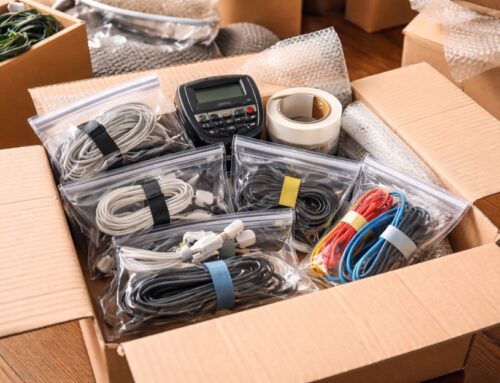
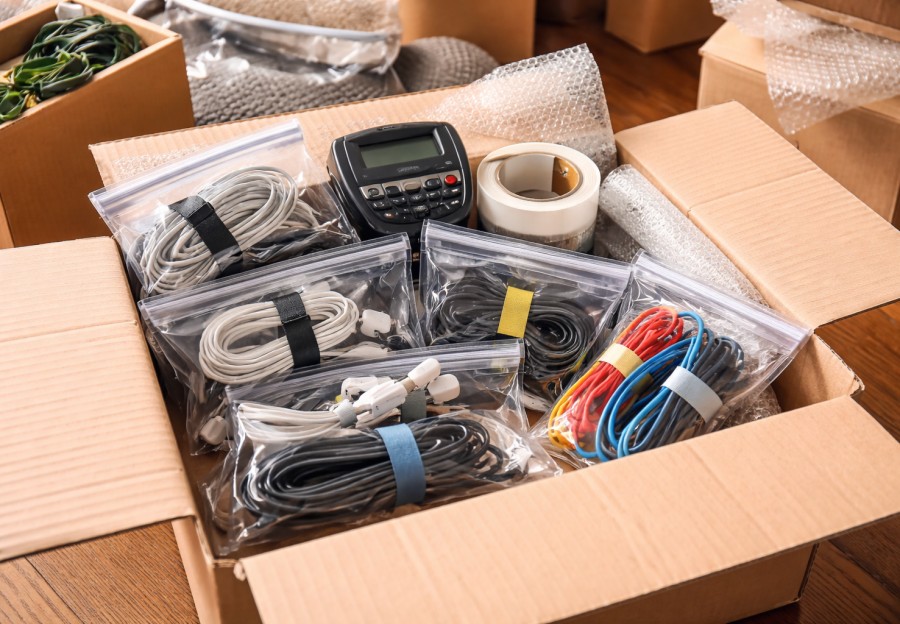
Keeping a small moving repair kit accessible also helps. Basic tools such as screwdrivers, adjustable wrench, zip ties, stretch wrap, painter tape, and extra padding handle most stabilization needs without improvisation. Preparedness research consistently shows that readily available tools reduce response time and error rates in unexpected situations.
Knowing when to let go is part of smart handling. Some low quality furniture simply cannot survive another move safely. Particle board shelving, inexpensive pressboard dressers, and lightweight composite desks often fail structurally after multiple relocations. Consumer product lifespan studies show that repeated assembly cycles significantly shorten service life for budget furniture. In those cases, controlled disassembly for disposal or replacement may be safer than risking injury or damage trying to save it.
After arrival, allow broken furniture to rest before attempting repairs. Materials science research shows that stress relaxation occurs after load removal, especially in composite materials. Inspect in good lighting, re tighten gently if appropriate, and assess whether professional repair is worthwhile.
There is also a sustainability angle. Extending usable life through careful handling and repair reduces landfill waste and manufacturing demand. Furniture waste contributes millions of tons annually to landfills according to waste management data. Preserving what can be repaired supports environmental responsibility.
Last second furniture breakdowns feel dramatic because they interrupt momentum and create uncertainty. In reality, most are manageable with calm containment, proper stabilization, weight reduction, and thoughtful placement. Safety comes first. Stop and stabilize rather than forcing movement. Use padding and restraint to distribute stress. Disassemble when structural integrity is compromised. Document damage. Adjust truck placement to reduce compression and vibration. Avoid rushed repairs. Protect surrounding property. Maintain perspective.
Moves rarely go perfectly. What matters is how you respond when something unexpected happens. A controlled response grounded in basic physics, safety data, and material behavior turns a potential disaster into a manageable detour. When the truck finally pulls away and everyone remains uninjured and your belongings largely intact, that calm decision making pays off far more than any attempt to rush through the problem.