
March 19, 2026
How to handle large quantities of books when moving
Books create a special kind of moving challenge. They look harmless sitting quietly on shelves, but once you start boxing them, the weight adds up fast. A few shelves can easily turn into hundreds of pounds of paper. Books also carry emotional value and often financial value if you own first editions, signed copies, or long collected sets. The goal is protecting spines and pages, controlling weight, preventing moisture damage, and keeping handling safe for everyone involved.
The sheer weight of books surprises most people. Paper weighs roughly 40 to 50 pounds per cubic foot depending on thickness and binding density. That means a medium box filled completely with hardcovers can exceed 70 pounds very quickly. Occupational safety data from the Bureau of Labor Statistics shows that overexertion injuries increase sharply when individual lifts exceed safe handling ranges. Overloaded book boxes are one of the most common causes of dropped cartons and strained backs during residential moves.
Smaller boxes are your best friend for books. Compact cartons naturally limit how much weight you can load into a single container. Packaging engineering research shows that corrugated cardboard loses compression strength under uneven loads and moisture exposure, so keeping weight controlled protects both the box and the handler. A smaller box filled halfway with dense books and topped with lighter paperbacks or soft goods balances strength and weight effectively.
How books are oriented inside the box affects long term condition. Standing books upright with spines supported mimics how they live on shelves and protects bindings from warping. If books must be stacked flat, keep stacks short and avoid leaning pressure on covers. Library preservation studies show that prolonged uneven pressure contributes to spine creep and cover deformation over time.
Mixing sizes thoughtfully prevents shifting. Tall art books, thin paperbacks, and thick hardcovers create uneven surfaces when packed randomly. Uneven stacking increases point pressure and movement during transport. Packaging vibration studies show that internal voids allow micro movement that accelerates edge wear and corner damage. Filling small gaps with clean paper keeps the load tight without crushing covers.
Moisture control is critical for paper goods. Books absorb humidity easily and can warp, yellow, or develop mold. Building materials research shows that mold growth can begin on paper within 24 to 48 hours in warm, humid conditions. Vehicle interior temperature studies show that closed trucks can exceed outdoor temperatures by more than 20 degrees Celsius in direct sun, increasing condensation risk. Packing books in dry boxes, avoiding damp basements or garages for staging, and keeping them away from direct truck walls reduces exposure.
Avoid sealing books in airtight plastic if any moisture is present. Trapped humidity accelerates mildew growth and odor development. Breathable cardboard with dry packing materials allows moisture to dissipate more safely.
Dust and grit act like fine sandpaper during vibration. Gently wiping dusty shelves and covers before packing reduces abrasion. Conservation research shows that micro particulate friction slowly degrades paper coatings and printed finishes over time.
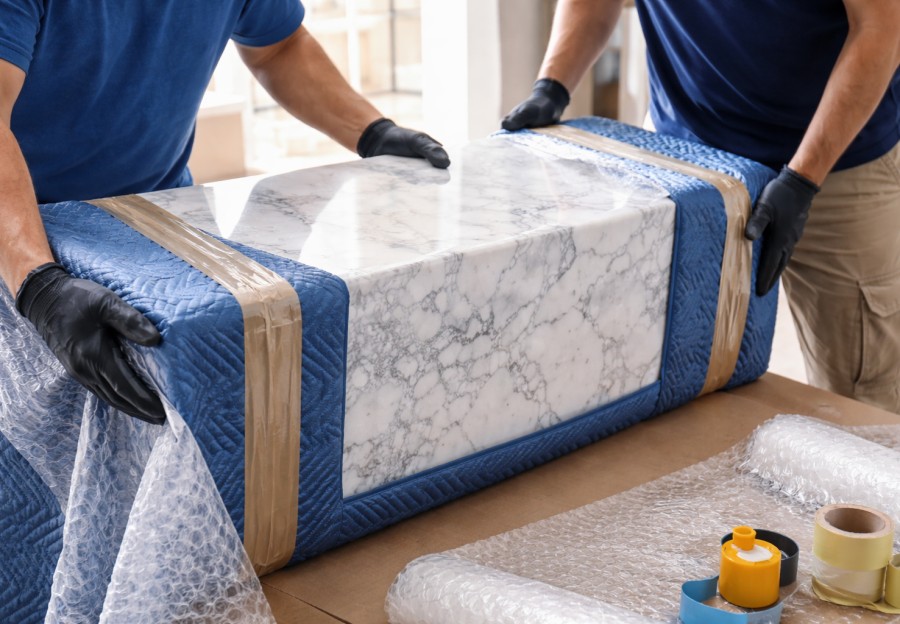
Protecting rare or valuable books requires extra care. First editions, signed volumes, leather bindings, and antique books benefit from individual wrapping with acid free paper and rigid support. Archival standards recommend neutral materials to prevent chemical interaction with paper fibers over long periods.
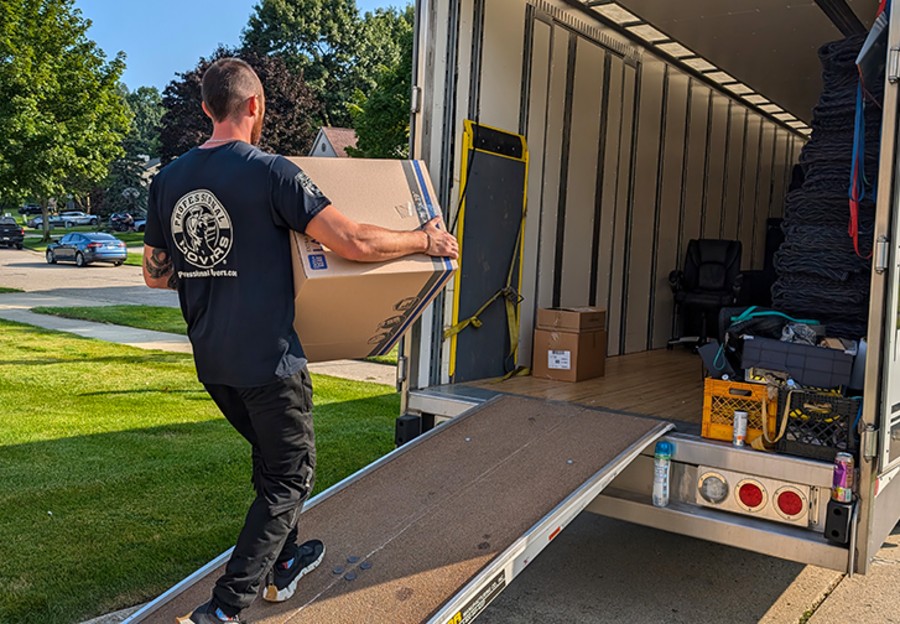
Weight distribution inside the moving truck affects book safety. Book boxes should ride low and centered to stabilize the load, but not directly under extremely heavy furniture that could crush them. Transportation safety research shows that vertical load pressure increases during braking and vibration cycles. Placing books on the truck floor near heavier padded furniture creates stability without excessive compression.
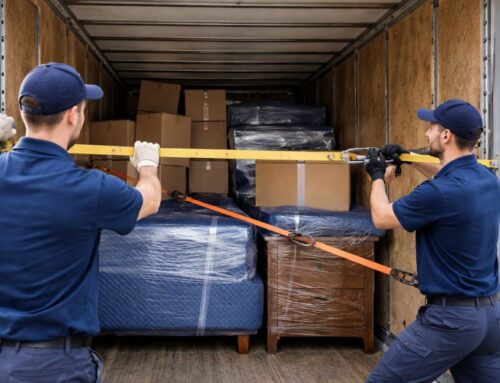
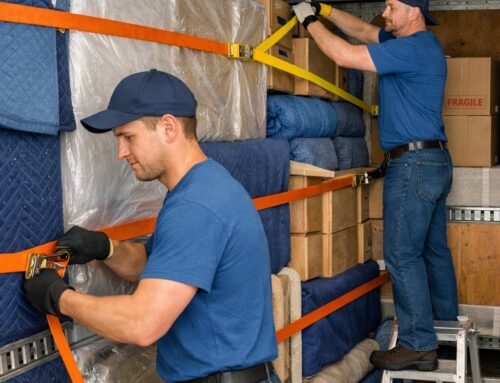
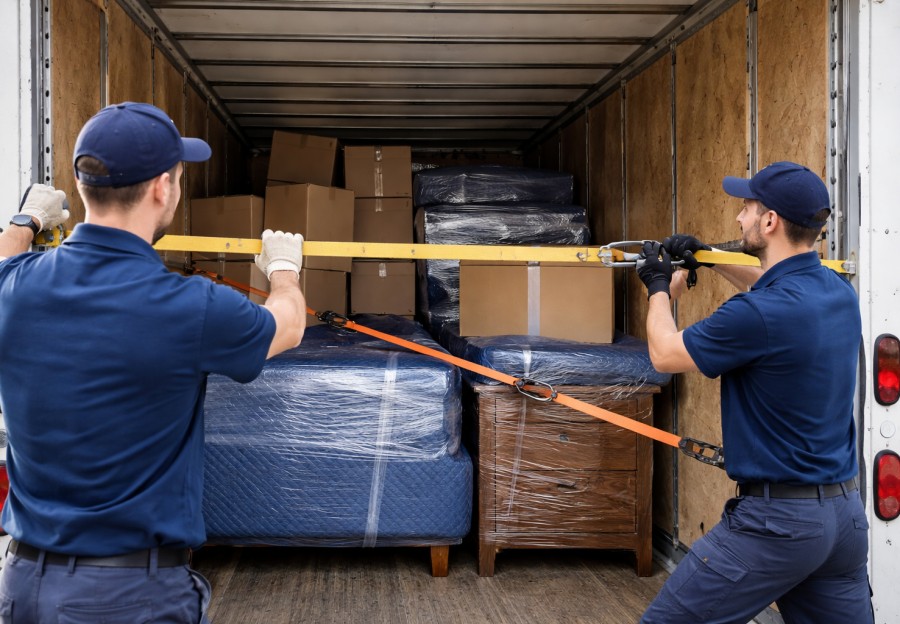
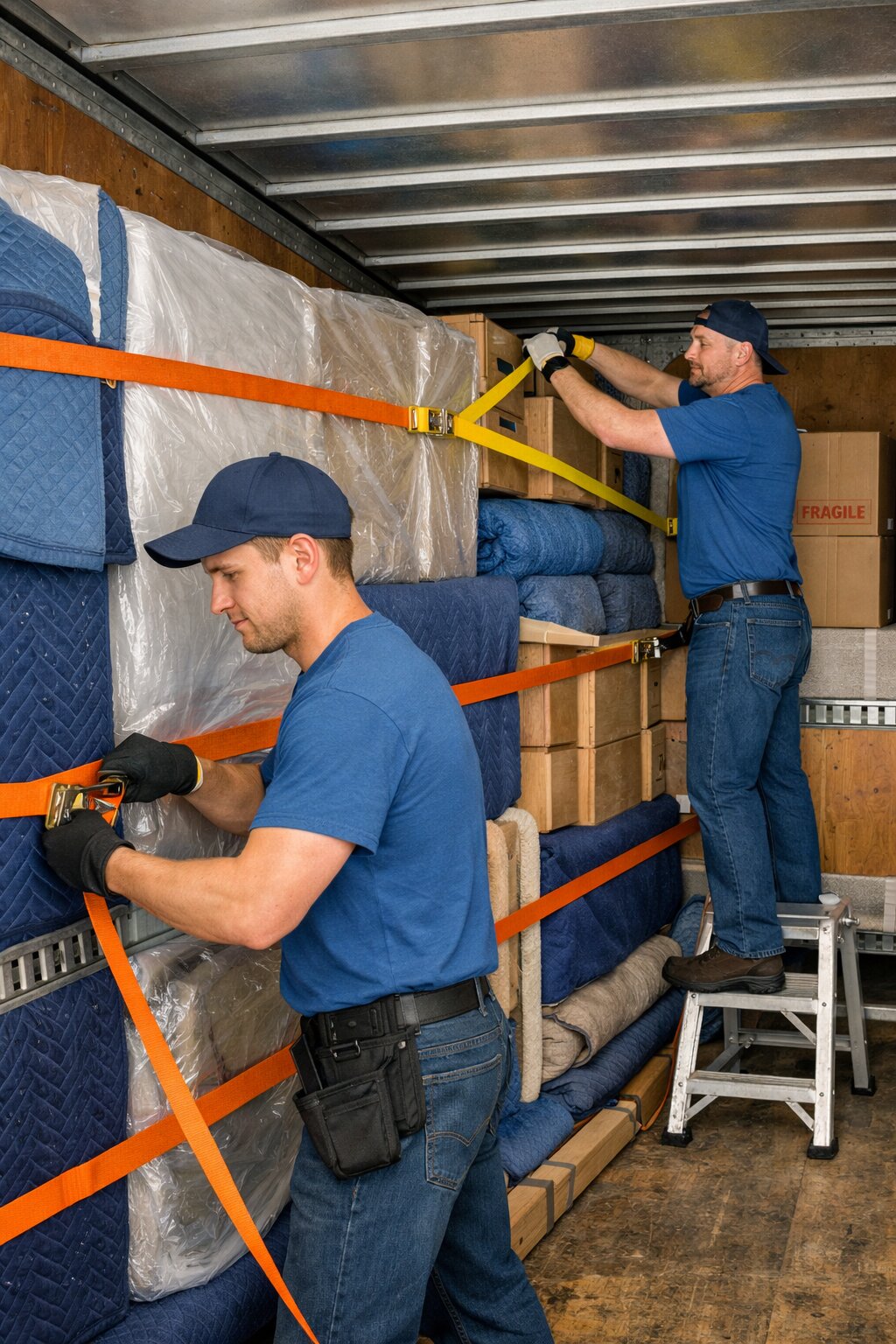
Strapping matters when large quantities are involved. Pallet like stacks of book boxes should be restrained so they cannot shift forward during braking. Cargo securement research shows that restrained loads withstand forward force far better than loose stacks.
Labeling helps with handling discipline. Marking boxes as heavy encourages safer lifting and prevents stacking lighter fragile items underneath. Logistics studies show that clear visual cues reduce handling errors by roughly 25 to 30 percent in busy environments.
Staging strategy reduces fatigue. Packing books early spreads labor over time rather than creating one exhausting session. Behavioral research shows that fatigue increases error rates and injury risk. Short sessions protect attention and consistency.
If you have thousands of books, volume planning matters. Shelf length estimates suggest that one linear foot of bookshelf holds roughly 20 to 30 average hardcovers depending on size. This allows you to estimate box count and truck space more realistically. Underestimating book volume is a common cause of truck overload and last minute scramble.
Climate sensitivity should not be ignored for long distance moves or storage. Prolonged exposure to high heat accelerates paper aging and adhesive breakdown. Preservation research shows that higher temperatures significantly increase chemical degradation rates in paper. If books will sit in storage, climate controlled environments protect longevity.
Unpacking also deserves care. Avoid leaving book boxes sealed for long periods after arrival, especially in humid environments. Air circulation reduces moisture buildup and odor. Shelving books upright soon after unpacking helps spines recover from minor compression.
From a cost perspective, book replacement adds up quickly. Academic texts, specialty volumes, and collectible editions often cost hundreds of dollars per copy. Even modest damage across a large collection creates meaningful financial loss.
Environmental responsibility matters as well. Producing books requires significant paper and energy resources. Extending book lifespan reduces waste and environmental impact. Sustainability studies consistently show that preservation reduces resource demand more effectively than replacement.
There is also an emotional angle. Personal libraries often represent years of learning, travel, memories, and identity. Losing or damaging them feels personal. Stress research shows that protecting meaningful possessions reduces emotional strain during life transitions.
Handling large quantities of books safely comes down to respecting weight, controlling moisture, supporting bindings, limiting box size, stabilizing loads, and pacing yourself. Small boxes prevent overload. Upright orientation preserves spines. Gap filling reduces movement. Dry packing prevents mold. Thoughtful truck placement prevents crushing. Clear labeling improves handling safety. Gradual packing protects energy and accuracy.
Books may be quiet companions, but they demand respect when moved in volume. With a methodical approach grounded in real materials science and safety data, your library can arrive intact, organized, and ready to fill new shelves without injury, damage, or unnecessary stress.