
March 14, 2026
How to choose specialty movers for unique items
Choosing specialty movers is one of the most important decisions you make during a relocation, especially when you own items that are rare, valuable, oversized, fragile, or otherwise hard to move. A painting that cost as much as a car, a grand piano that is part of your identity, delicate antiques passed through generations, or custom stone slabs that define your home’s character all demand extra care. Standard moving crews have skill and strength, but specialty movers bring focused expertise, specific equipment, and safety practices that protect your valuables and your peace of mind. The key is knowing what to look for so you pick the right team for the job.
The first step is understanding why specialty movers matter in the first place. Moving unique items is not just a heavier version of lifting boxes. Physics, materials science, and logistics all interact differently with fragile, irregular, heavy, or custom pieces. Packaging engineering research shows that vibration, uneven loading, and improper cushioning are leading causes of in-transit damage. When movers tailor protection to material properties and geometry, the risk of cracks, chips, and structural stress drops significantly.
Start with expertise. Specialty movers focus on categories that require advanced handling techniques: pianos, fine art, sculptures, antiques, stone surfaces, safes, and high end electronics among them. For example, pianos combine immense weight with delicate internal mechanisms and finishes. According to piano manufacturers, moving a grand piano improperly can misalign its frame, strain bridges, or damage the soundboard — problems that are expensive or impossible to repair. A mover who regularly relocates pianos understands how to support its structure, protect legs and pedals, counterbalance load on stairs or balconies, and secure it for vibration exposure during transport.
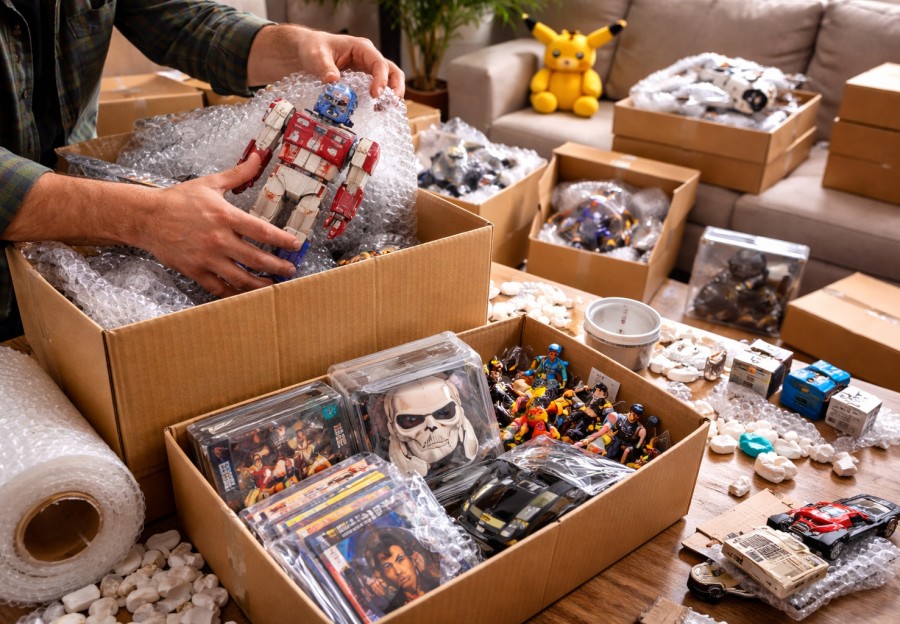
Fine art and antiques deserve another level of attention. These items often carry non-replicable value and complex materials that do not respond well to generic packing. Art conservation standards emphasize climate control, rigid protective crating, anti-static treatments, and layered cushioning designed for specific media such as oil paint, ceramics, or glass. Movers with art handling credentials often work with galleries and museums because they understand how temperature, humidity, and micro abrasion interact with sensitive surfaces. In industry tests, thoughtful layered protection reduces transmitted shock much more effectively than blanket-only padding.
Certifications and training separate hobby packers from professionals. Look for movers with training from recognized bodies such as the American Society of Transport and Logistics, the International Association of Movers, or specific art handling programs. Certifications show that crews have formal instruction in load assessment, custom crating, rigging, and materials science principles that apply to fragile or oversized items. Logistics studies consistently show that teams with documented training make fewer errors and handle complex items more predictably.
Insurance is not just added cost. Basic mover liability often reimburses at a minimal rate per pound, which rarely reflects the real value of unique pieces. Specialty movers usually offer or require higher value protection or full value coverage for declared high end items. Industry claims data shows that specialized coverage reduces disputes and payout delays because expectations are clear upfront. Always ask what coverage applies, how claims are evaluated, and whether additional riders or third party insurance are recommended for your specific items.
References matter. Ask for customers who had similar unique items moved. A mover who has relocated stone sculptures, antique clocks, delicate crystal collections, or custom built cabinetry will better anticipate challenges than someone who has only handled furniture and boxes. Reviews and case studies tell you more than marketing alone because they reveal how crews actually handle hard situations.
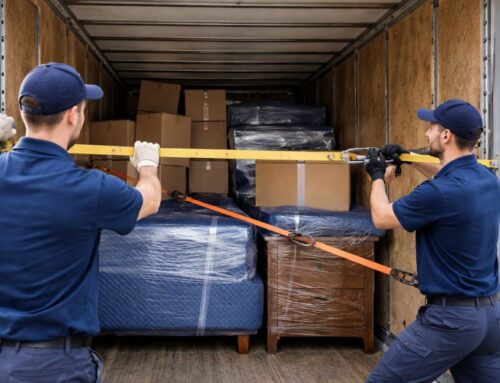
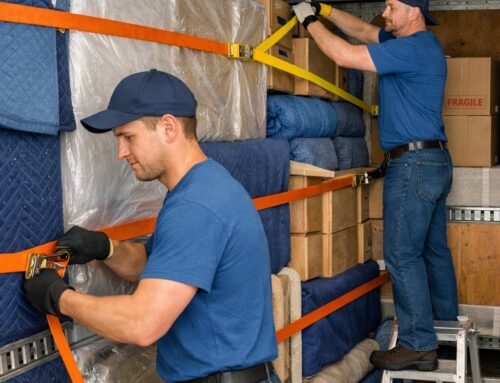
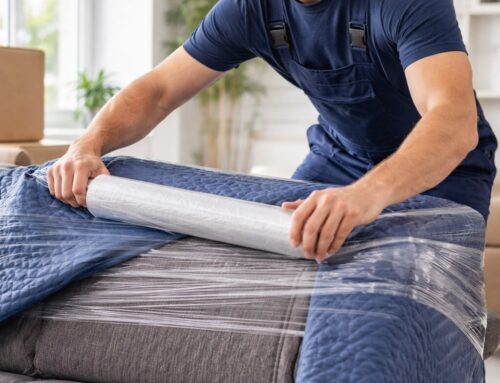
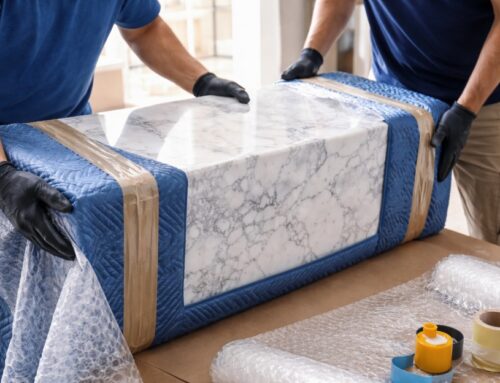
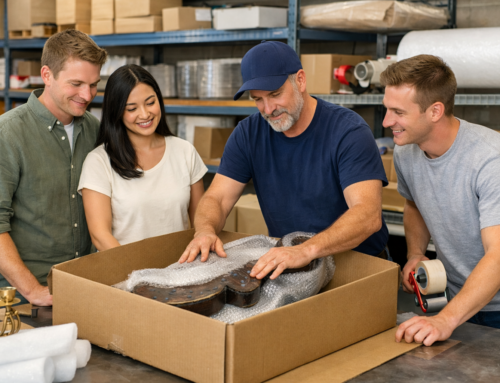
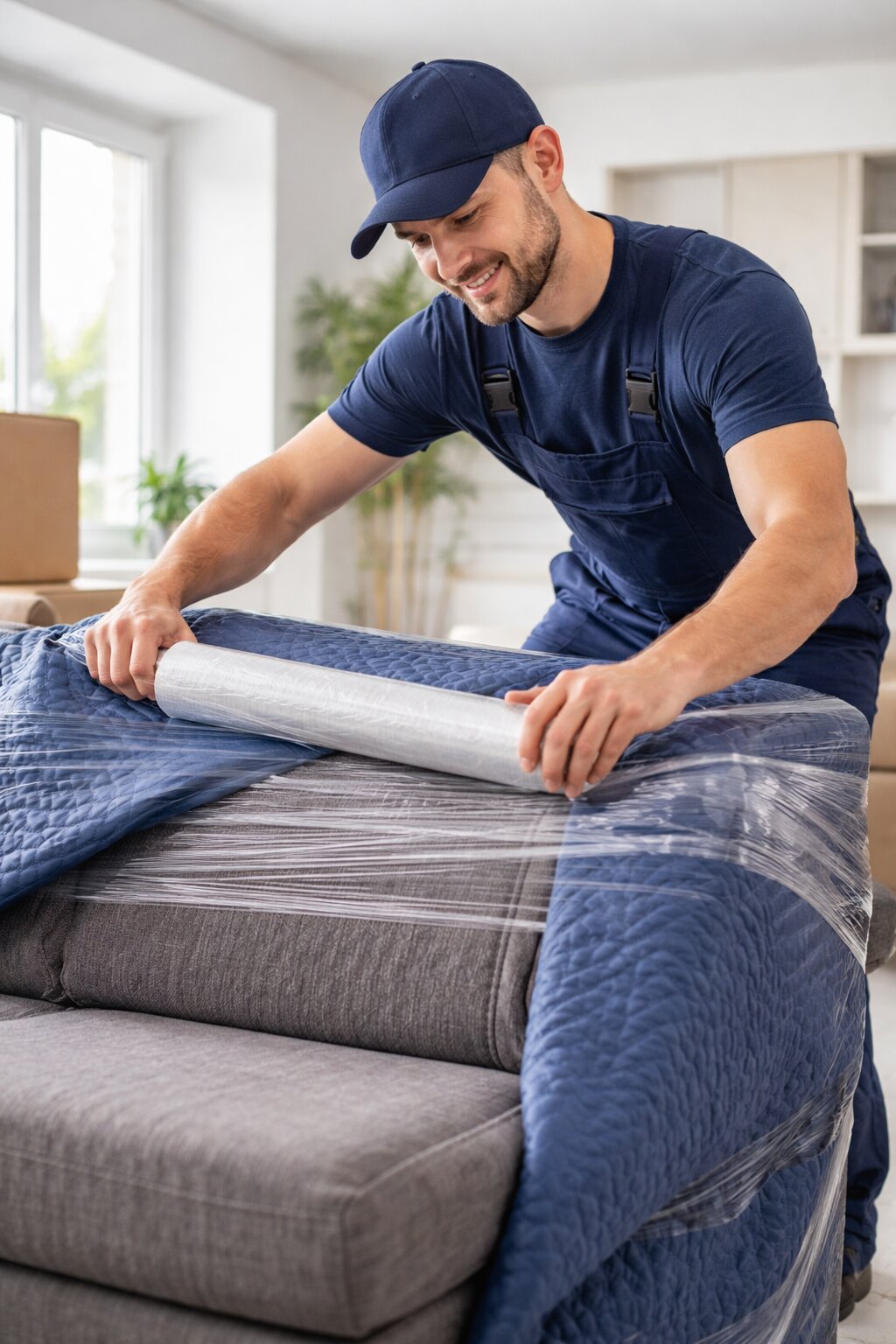
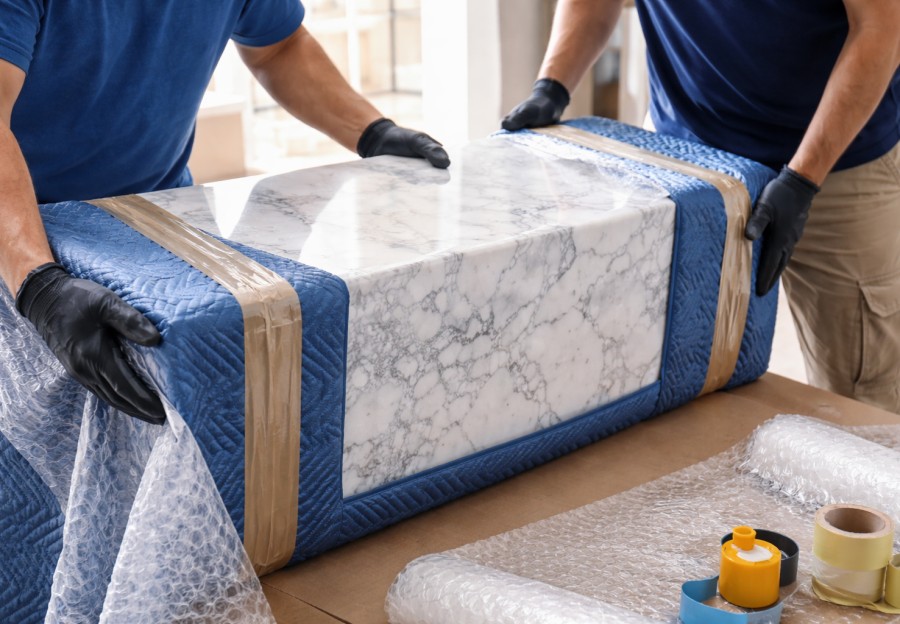
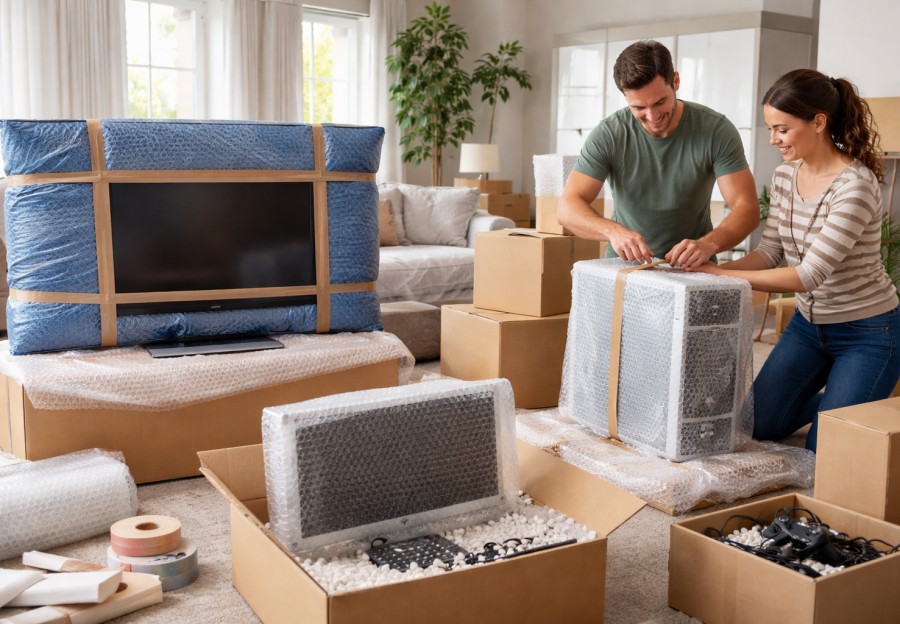
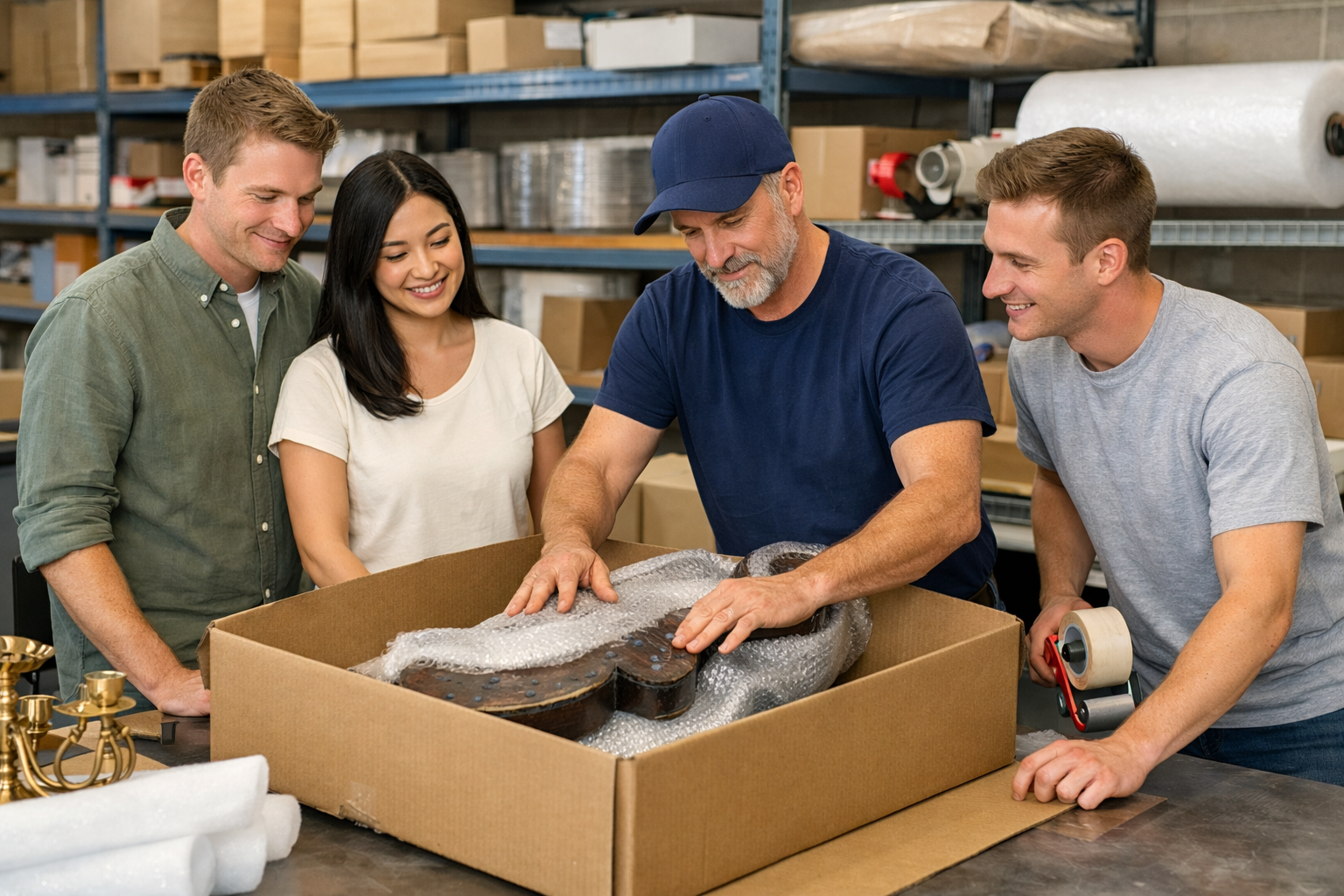
Equipment makes a tangible difference. Specialty movers use tools and materials that standard crews often do not carry. This includes custom wooden crates sized to each item’s geometry, vibration damping materials like cross linked polyethylene foam, rigid corner protectors, air ride trucks with climate control, mechanical rigging for hoisting, and lift gate systems sized for safe load transitions. Materials science research highlights that tailored packaging reduces peak shock loads far more than one size fits all solutions.
Communication skills predict performance. Movers who understand your unique items will ask detailed questions about dimensions, weight, material, fragility, finish, and access constraints. They should also explain what they will do, why it matters, and how risk will be managed. Project management studies show that clear early alignment reduces errors and surprises later in complex tasks. If a mover seems unsure or avoids specifics, that is a red flag.
Estimates must be item specific. A good specialty mover will not give you a flat price for the entire move without first assessing the items that require special handling. Detailed estimates acknowledge the time, materials, custom crates, and labor skill required. They differentiate between standard items and unique pieces so you understand where costs come from and can plan accordingly.
Site inspection is another valuable step. Movers who offer to walk through your home, measure spaces, and evaluate access challenges are a step above those who quote by phone alone. Physical inspection identifies narrow doorways, stair turns, low ceilings, balcony access, elevator limitations, and other constraints that affect how unique items are handled. Studies in workplace safety show that assessing physical context reduces risk because unknown variables are the biggest source of unexpected problems.
Timing and scheduling matter too. Specialty moves often take more time because careful handling is not fast handling. Rushing increases error rates, and research in human performance shows that as fatigue rises, precision drops. Choose a mover who respects pacing rather than one trying to fit everything into an unrealistic schedule.
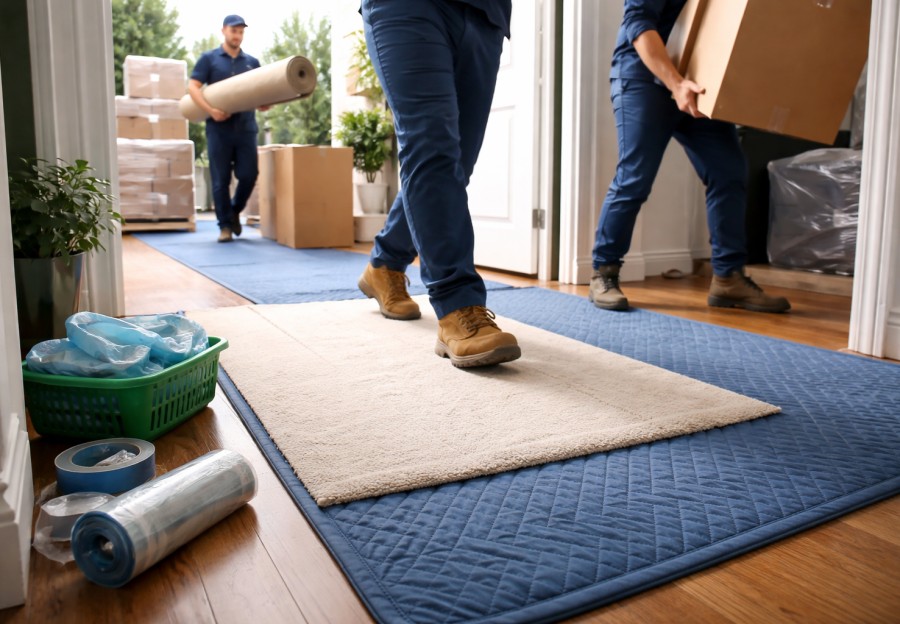
Another aspect is destination preparation. Specialty movers think about where items will go first rather than just getting them off the truck. They advise on placement, flooring protection, appropriate support surfaces, and orientation to reduce long term stress on fragile components. Antiques and stone surfaces, for example, benefit from specific placement angles and protective pads to distribute load over broader footprints.
Transparency around responsibilities prevents conflict later. Clarify upfront who packs what, who disassembles and reassembles, what constitutes proper protection, and what is covered under liability. Specialty movers are usually clear about these divisions because they deal with high value items regularly and understand the importance of documented agreements.
Ask about past problem cases. A learning organization will openly discuss challenges they have solved before because that reflects experience rather than perfection claims. Understanding how they handled a tricky piano, oversized sculpture, or fragile heirloom last year tells you how they might handle yours.
Season and weather play into the decision too. Climate matters for some materials. Wood expands and contracts with humidity changes. Electronics are sensitive to temperature extremes. Specialty movers interpret weather data and plan packing and transport accordingly. Truck climate control, moisture absorbing materials, and humidity buffers are real tools, not add ons.
Finally, trust your instincts. A mover might look professional on paper but still make you uneasy if they gloss over item specific concerns or avoid detail. Specialty moving is as much about respect for your possessions as it is about muscle and materials. When you feel heard, understood, and educated about the process, stress drops and confidence rises.
Choosing specialty movers for unique items is not about spending more. It is about matching skill and preparation to risk. When valuable or irreplaceable items are on the line, the cost of damage far outweighs a thoughtful investment in expertise. With specialty movers, you gain trained crews, purpose built materials, clear communication, appropriate insurance, and intentional planning that protect both your items and your peace of mind.