
January 24, 2026
How to choose moving supplies that last
When you are standing in front of a wall of boxes, tape rolls, and bubble wrap, it is tempting to grab the cheapest option and call it a day. Moving supplies look simple, but the quality difference shows up fast once weight, moisture, and friction enter the picture. Choosing supplies that actually hold up protects your belongings, saves time, and often saves money in the long run.
Boxes are the foundation of almost every move, so their strength matters more than people realize. Corrugated boxes come in different grades based on paper thickness and flute structure. Single wall boxes work fine for light items like linens or pillows, but heavier items need double wall construction to resist crushing and splitting. Packaging industry testing shows that double wall boxes can support significantly higher stacking loads compared to single wall designs, sometimes more than doubling compression strength depending on the board grade. That added strength prevents bottom blowouts and keeps stacks stable inside the truck.
Moisture resistance is another overlooked factor. Even short exposure to humidity, rain, or condensation inside a truck can weaken cardboard quickly. Packaging research has shown that corrugated board can lose up to half of its stacking strength when exposed to high moisture levels. That means a box that felt solid when dry can suddenly sag or collapse if it gets damp. Using plastic bin liners inside boxes, choosing heavier board grades, and keeping boxes off wet ground during loading all extend the life of your packing materials and protect what is inside.
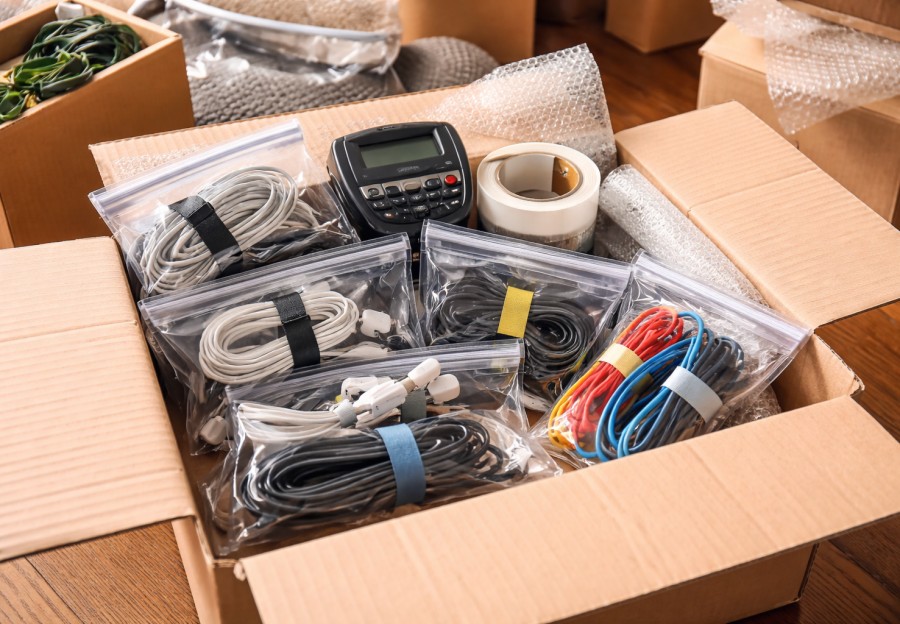
Tape quality can make or break a box. Cheap tape often peels, stretches, or snaps under tension, especially in warm weather. Professional movers typically use pressure sensitive packing tape with higher tensile strength and stronger adhesive bonding. Industry standards testing shows that higher grade packing tape maintains seal integrity under load and vibration far better than economy tape, reducing the risk of boxes opening during transit. Spending a few extra dollars on reliable tape prevents messy repacking and accidental spills.
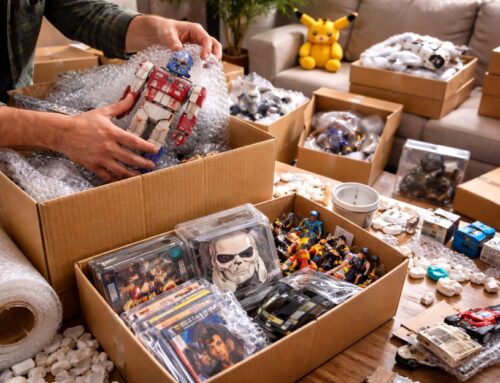
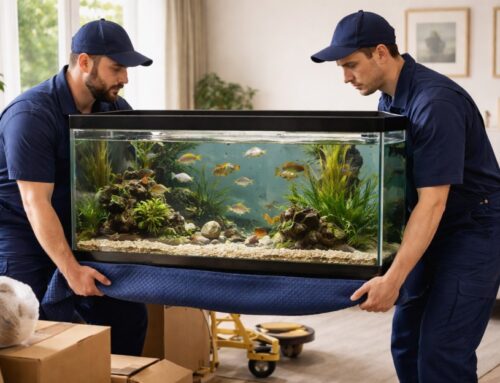
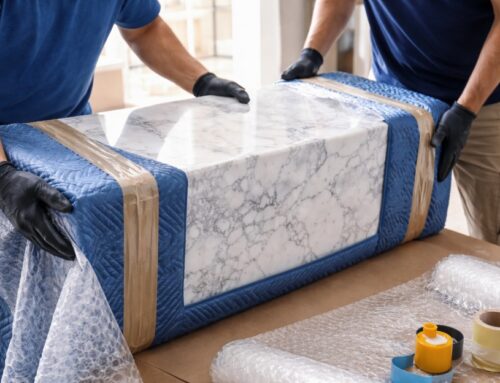
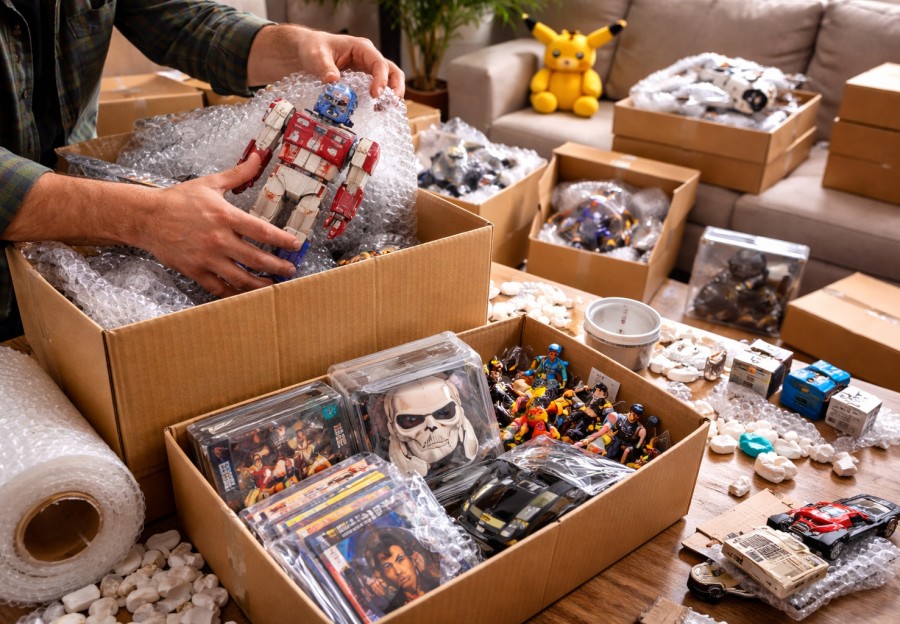
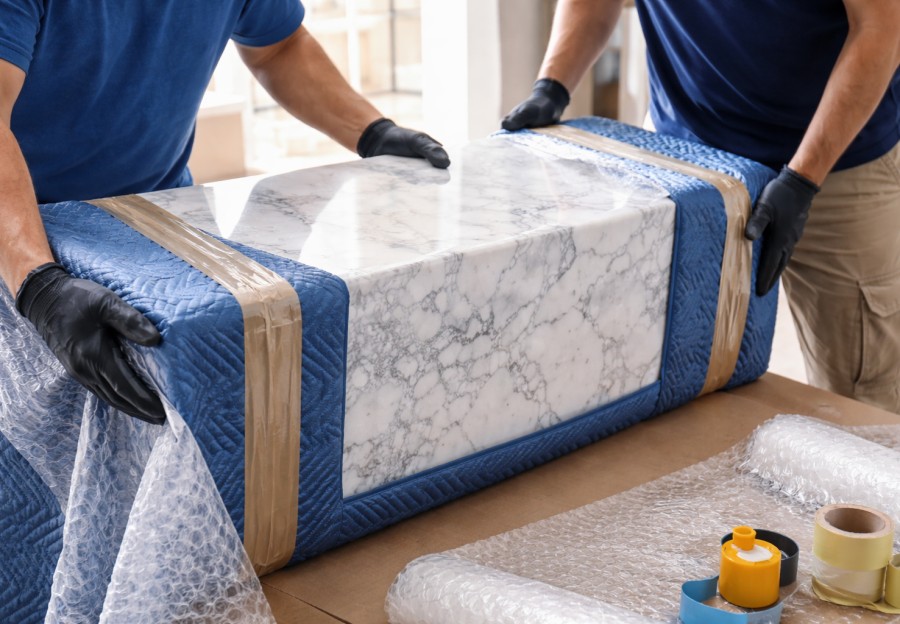
Protective wrap also deserves careful selection. Bubble wrap density, air retention, and plastic thickness vary widely. Thicker bubbles with stronger film resist popping and maintain cushioning longer, especially under continuous pressure. Packaging engineers measure cushioning performance using drop and vibration testing, and higher quality bubble materials consistently show lower impact transfer to the protected object. For items with sharp edges or heavy weight, foam sheets or moving blankets offer more durable protection than thin bubble alone.
Reusable supplies can be a smart investment if you expect multiple moves, storage needs, or frequent shipping. Plastic moving bins resist moisture, crushing, and repeated handling far better than cardboard. While the upfront cost is higher, lifecycle studies in logistics show that reusable containers can survive dozens of trips while maintaining structural integrity. That durability reduces waste and replacement costs over time, especially for businesses or households that move more than once within a few years.
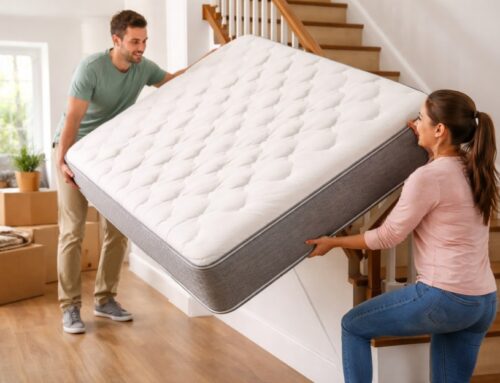
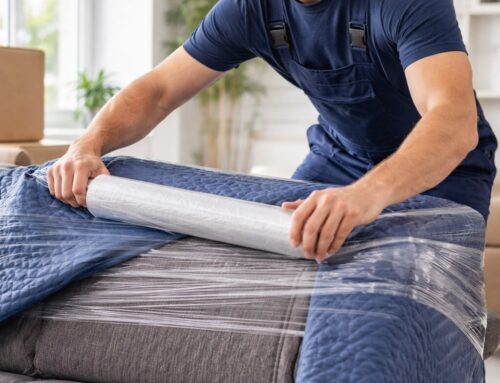
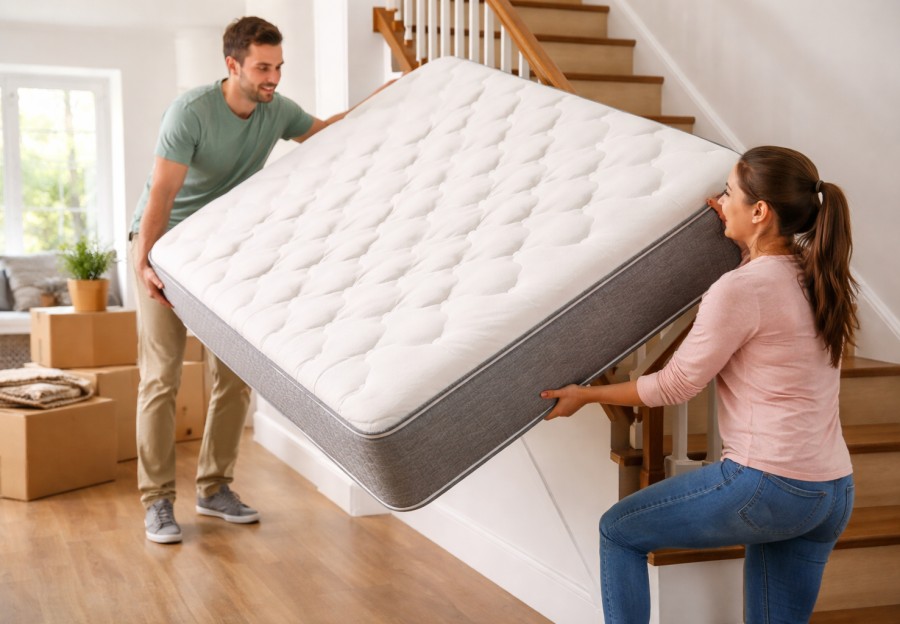
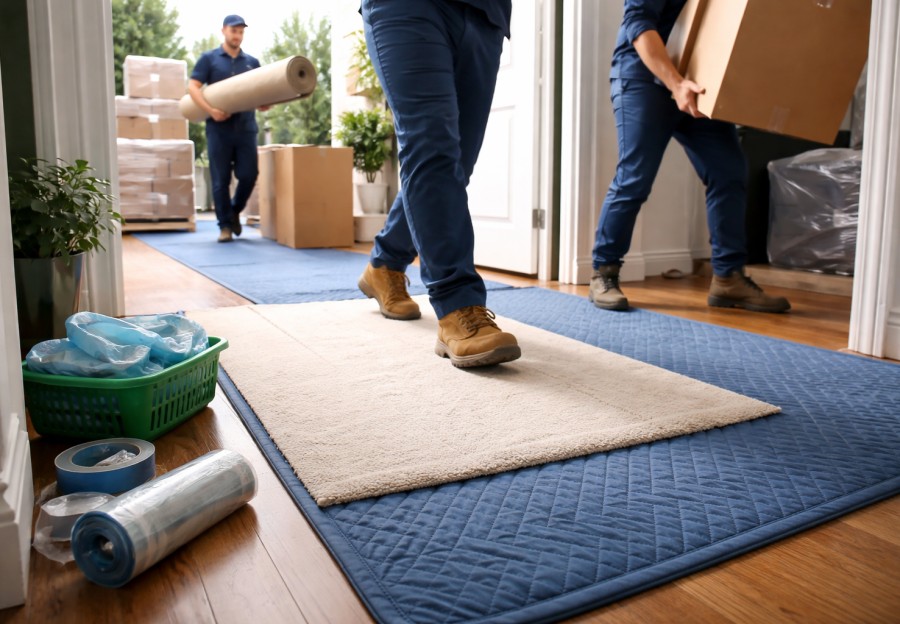
Even small accessories matter. Mattress covers protect against dirt, moisture, and tearing during loading and unloading. Corner protectors prevent dents on furniture and walls. Stretch wrap keeps drawers and doors closed without leaving sticky residue. These items reduce friction damage, which is one of the most common cosmetic issues reported after moves according to claims data from major moving insurers.
Storage conditions also influence how long your supplies last. Boxes stored in damp basements or garages degrade faster than those kept in dry, climate controlled spaces. Heat can weaken adhesives and plastic wraps. Keeping supplies sealed and elevated off concrete floors preserves their strength until you need them. The goal is not just to buy durable materials, but to maintain them properly so they perform as intended on moving day.
Choosing moving supplies that last is really about understanding stress. Weight presses down, vibration shakes, moisture weakens fibers, and friction wears surfaces. When you match the supply strength to the job, problems disappear before they start. Stronger boxes prevent collapse, reliable tape keeps seals tight, quality wrap absorbs impact, and reusable containers offer long term value.
It is easy to see packing supplies as a minor expense, but they are the first line of defense for everything you own. A slightly higher upfront investment reduces breakage, wasted time, and last minute fixes. When your boxes stay intact, your tape holds firm, and your protection materials do their job, the entire move feels more controlled and far less stressful.