
January 16, 2026
How to budget your move using real cost data
Moving is one of those life events that feels simple until the numbers start adding up. Most people know they need boxes, a truck, and some help, but very few sit down with real cost data before committing to a move. That is how budgets get blown. If you want to stay in control, the smartest place to start is by understanding what moves actually cost today and why.
Let’s begin with the biggest expense, the movers themselves. According to the American Trucking Associations, the average local move in the United States costs about 1700 dollars. That number assumes a distance under fifty miles and a modest sized home. For long distance moves, the average jumps sharply. Data from the Federal Motor Carrier Safety Administration shows that interstate moves typically land between 4500 and 4800 dollars, depending on distance and weight. These are not luxury moves. These are standard, middle of the road relocations. Knowing this upfront helps anchor expectations and prevents shock later.
Weight matters more than most people realize. Moving companies do not guess pricing. They calculate it based on how much your belongings weigh and how far they travel. The average three bedroom household weighs around seven thousand to eight thousand pounds. Each additional thousand pounds can add several hundred dollars to a long distance move. This is why downsizing before moving is not just a lifestyle choice but a financial one. Every unused dresser or outdated couch you eliminate reduces real cost.
Timing also plays a measurable role. Industry data consistently shows that summer is the most expensive season to move. Roughly seventy percent of moves in the United States happen between May and September. High demand means higher rates. Moving during the winter months can reduce costs by fifteen to thirty percent, according to estimates published by moving industry analysts. Even moving midweek instead of on a weekend can shave a meaningful amount off the total. These are not small differences. They can equal the cost of packing services or several nights in a hotel.
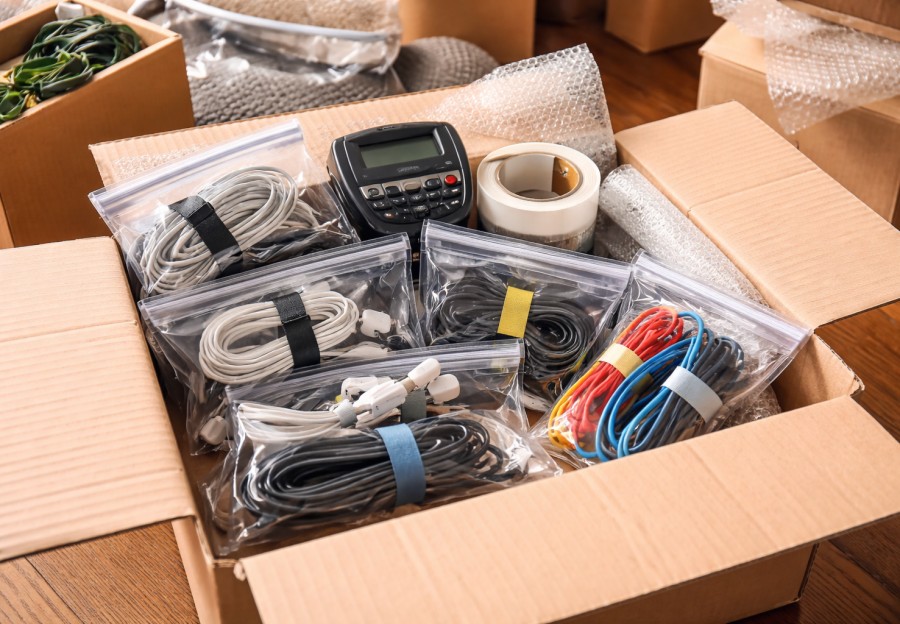
Packing is another area where people misjudge expenses. Professional packing for a standard three bedroom home often costs between five hundred and twelve hundred dollars, depending on materials and labor time. The materials alone are not trivial. A single medium moving box retails for about three dollars, and most households need at least forty to sixty boxes. Add tape, paper, mattress covers, and specialty cartons, and packing supplies can easily exceed two hundred dollars even if you do everything yourself. Budgeting without accounting for these items almost guarantees an overrun.
Transportation is not the only hidden cost. Temporary housing and storage quietly inflate moving budgets every year. The Self Storage Association reports that the average monthly cost of a ten by ten storage unit in the United States is about one hundred thirty dollars. Many moves require at least one month of storage due to closing delays or lease gaps. Hotel stays, meals on the road, and fuel for personal vehicles can add hundreds more, especially for cross country relocations.
Another overlooked factor is lost work time. A survey by Allied Van Lines found that nearly half of people who moved long distance missed at least two days of work beyond their planned time off. When you factor in unpaid leave or lost productivity for self employed individuals, the financial impact becomes very real. Budgeting responsibly means acknowledging these indirect costs instead of pretending they do not exist.
The smartest moving budgets are built with buffers. Real world data shows that unexpected expenses are common. The Bureau of Labor Statistics tracks household spending and notes that one time relocation costs often exceed initial estimates by ten to twenty percent. That margin is not due to poor planning. It is due to reality. Elevators break, weather causes delays, furniture requires disassembly, and access fees appear at the last minute. A realistic budget expects these things.
In the end, budgeting your move is not about cutting corners. It is about replacing assumptions with data. When you know what the average move costs, how weight and timing affect pricing, and where hidden expenses tend to appear, you make calmer and smarter decisions. You stop reacting and start choosing. That is the difference between a move that feels chaotic and one that feels controlled.
Moving will probably never feel cheap, but it does not have to feel unpredictable. Real numbers give you leverage. They turn a stressful process into a manageable one, and that alone is worth the effort of planning ahead.