
January 15, 2026
Creative packing hacks professional movers recommend
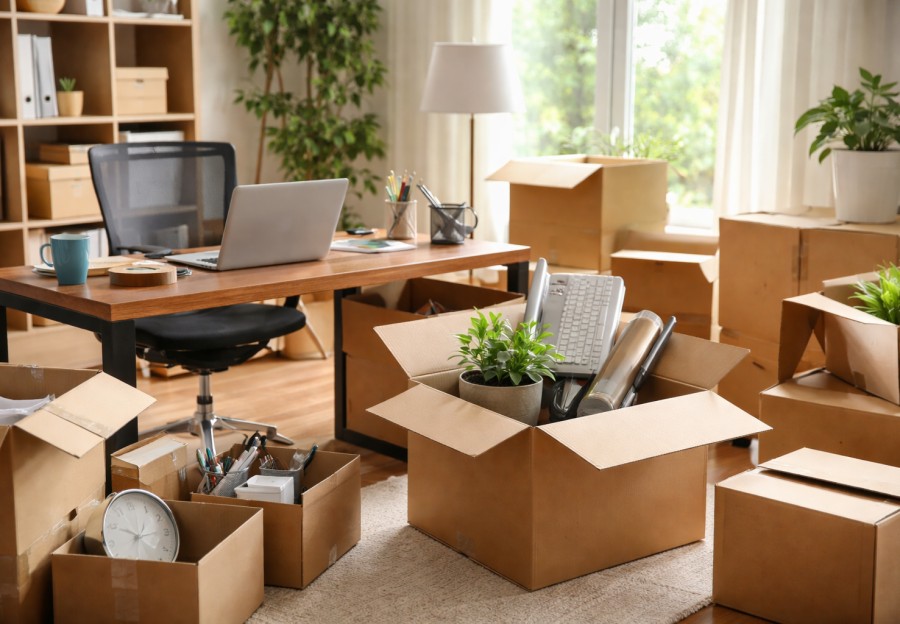
If you ask professional movers what slows people down the most on moving day, the answer is rarely heavy furniture. It is almost always packing. Not the act of putting things in boxes, but the way people pack. After years of loading trucks and unpacking homes, movers notice the same patterns again and again. The good news is that small changes in how you pack can save time, prevent damage, and reduce stress in a very real way.
One of the first things movers recommend is packing earlier than you think you need to. Studies on household moves show that the average person underestimates how long packing takes by about forty percent. What feels like a few evenings of work often turns into a last minute scramble. Packing earlier does not just give you breathing room. It also leads to better decisions. When people rush, they tend to overload boxes or skip padding fragile items. Movers report that rushed packing is one of the top causes of broken dishes and damaged décor during local moves.
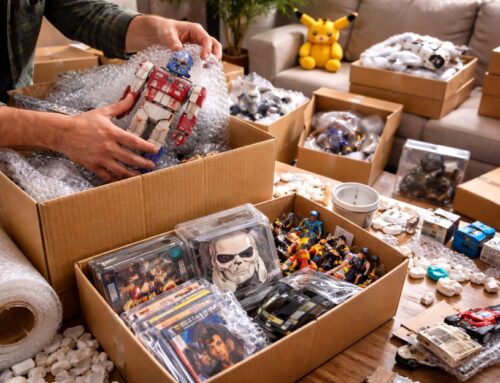
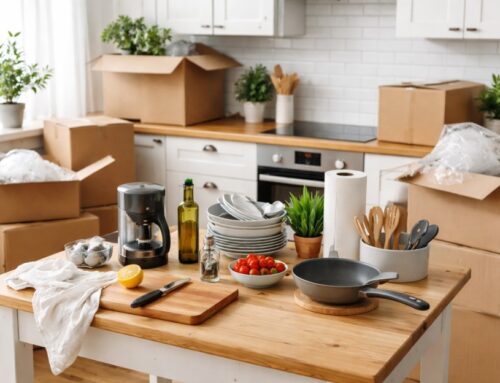
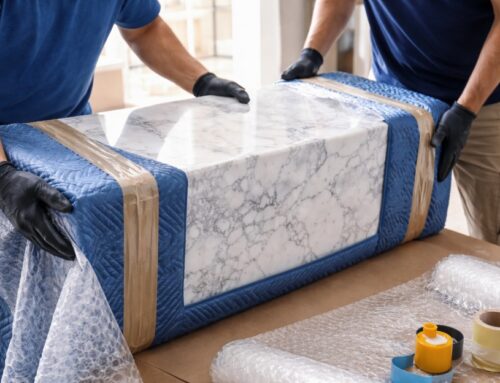
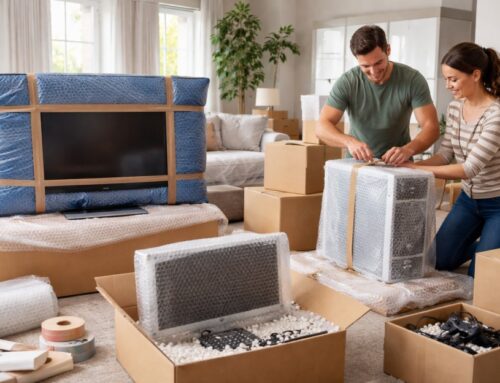
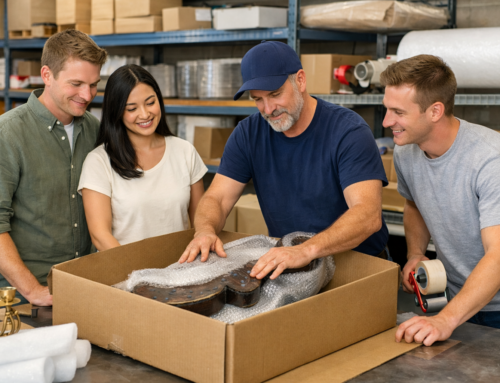
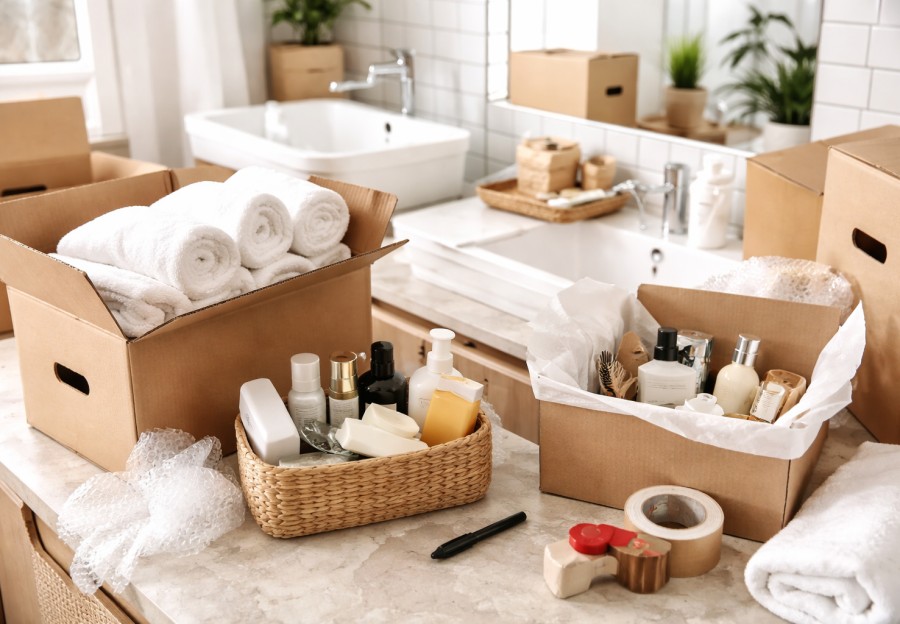
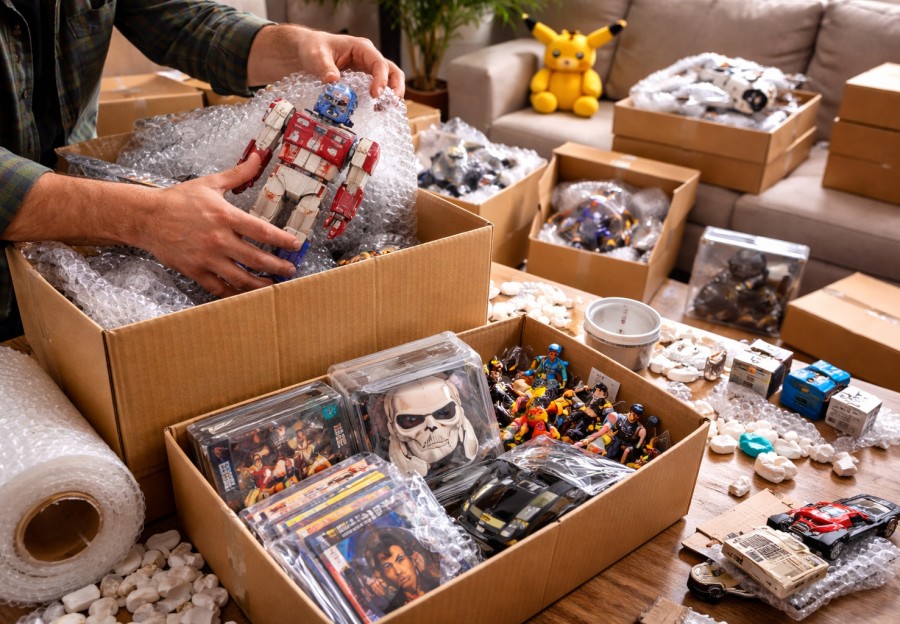
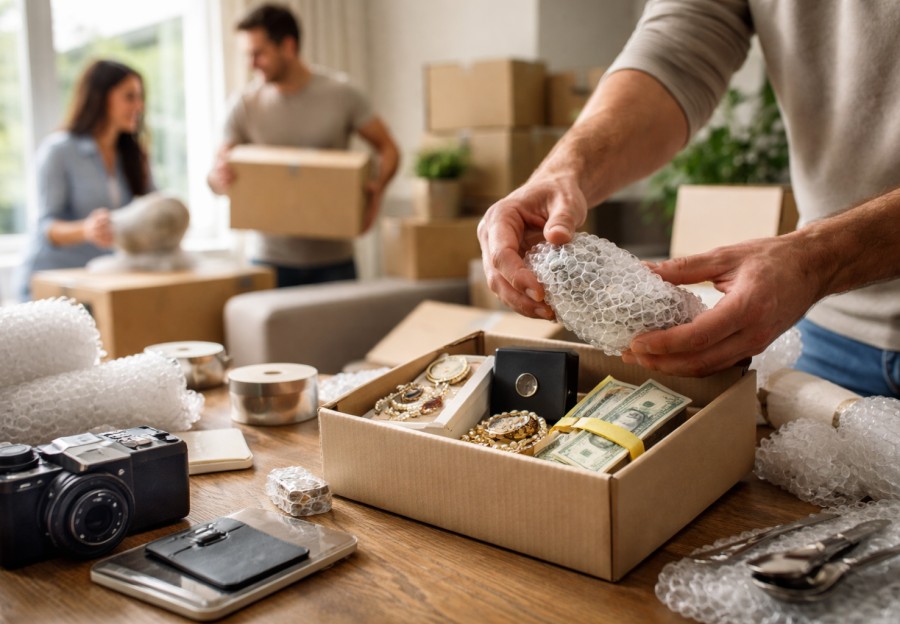
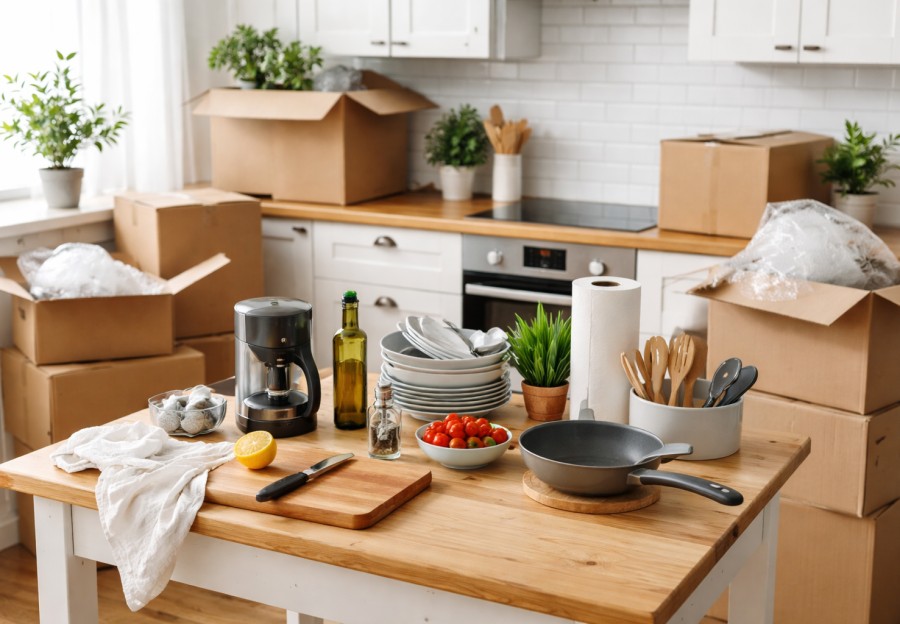
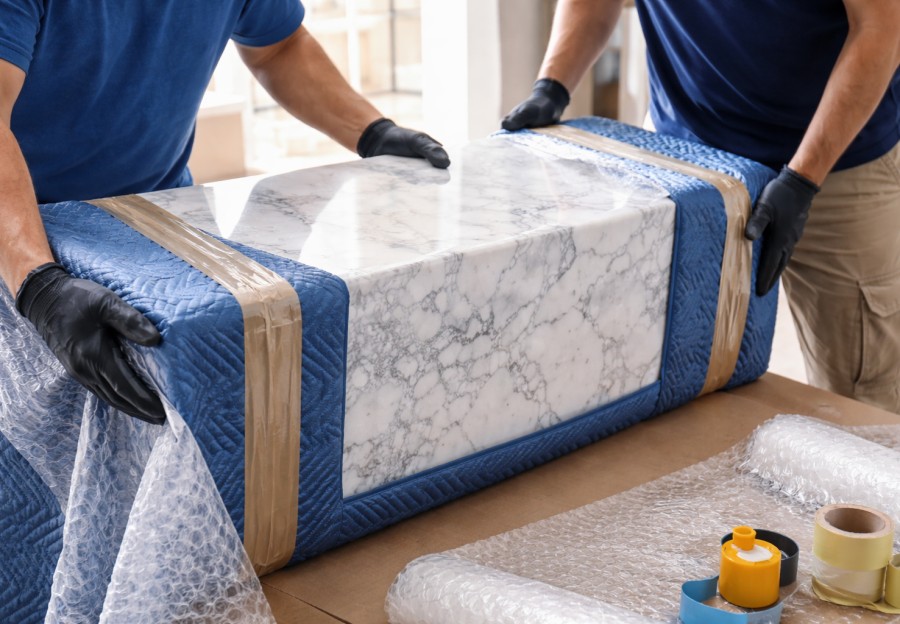
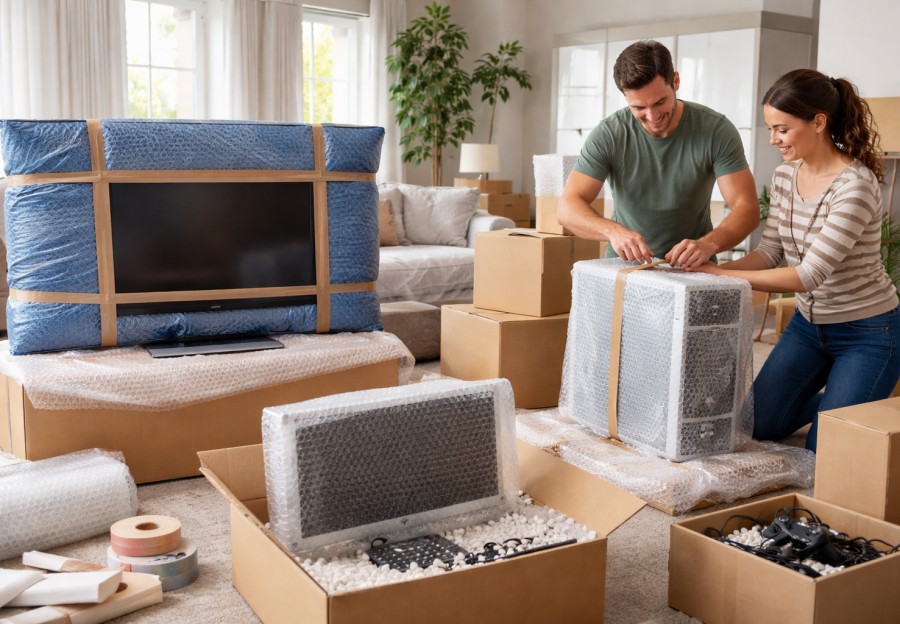
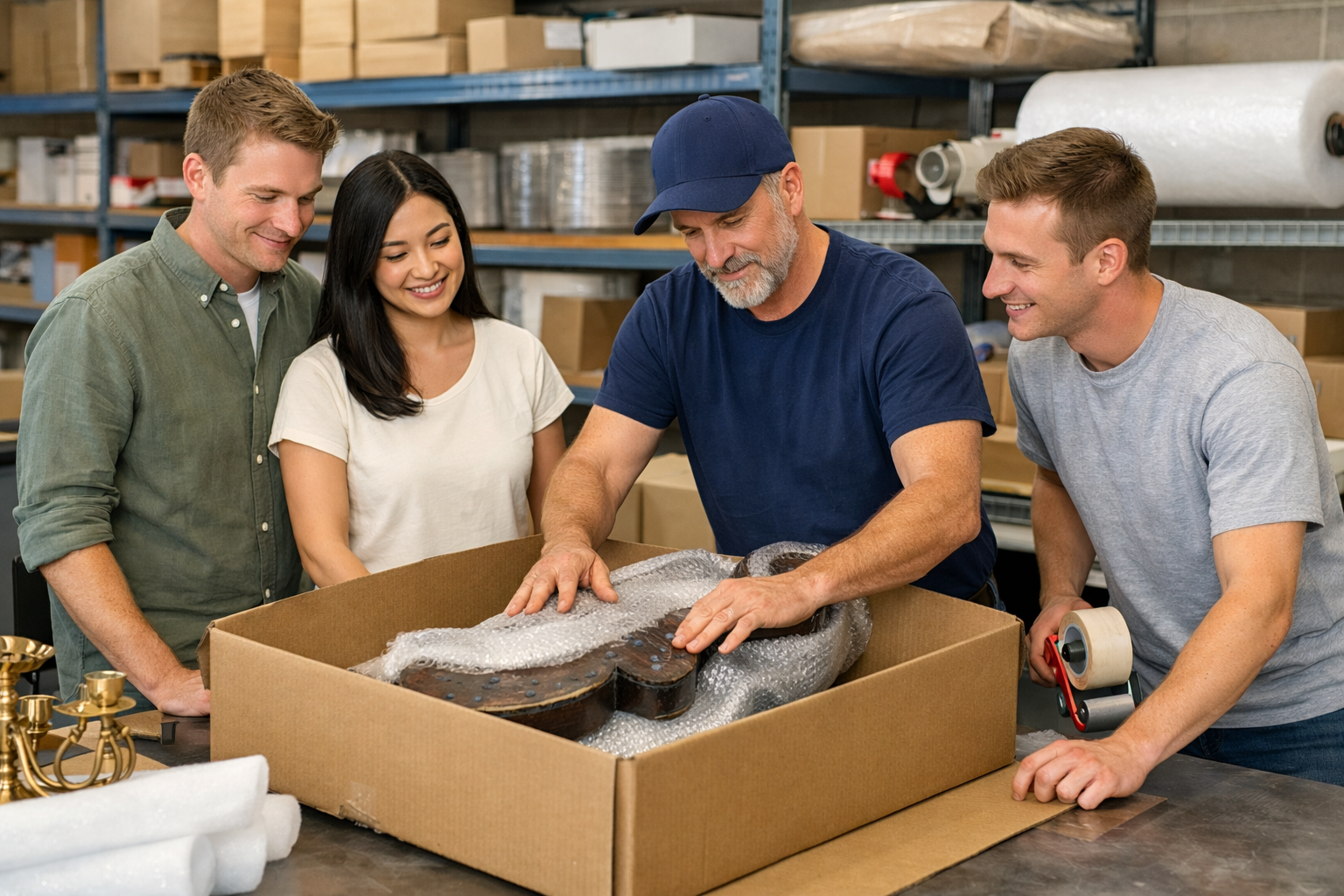
Another smart hack is using what you already own as packing material. Towels, blankets, sweaters, and even socks can protect fragile items just as well as bubble wrap. Movers regularly wrap plates in clean T shirts or place glassware inside thick socks. This works because soft fabric absorbs shock and prevents items from knocking into each other. According to shipping industry data, proper cushioning can reduce breakage rates by more than sixty percent compared to loosely packed boxes. Using your own linens also cuts down on waste and saves money on packing supplies.
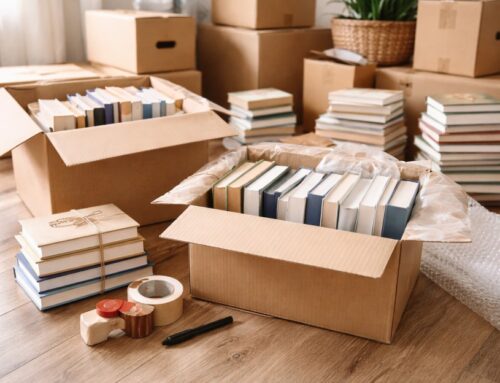
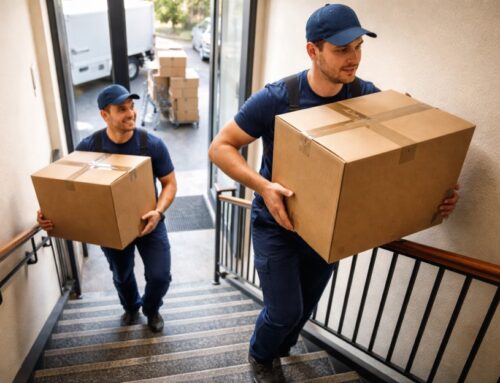
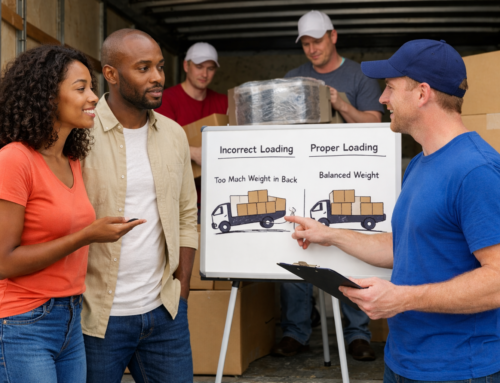
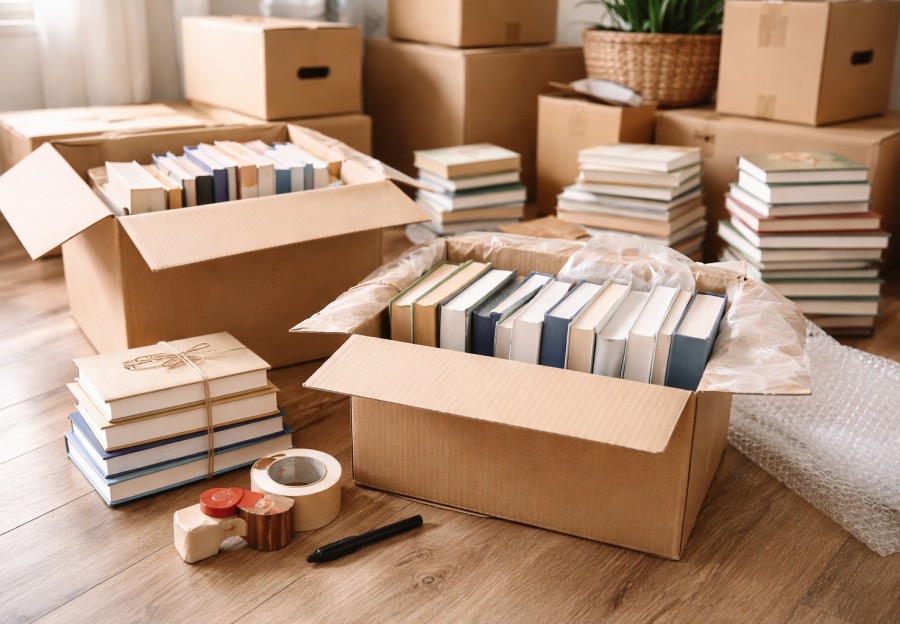
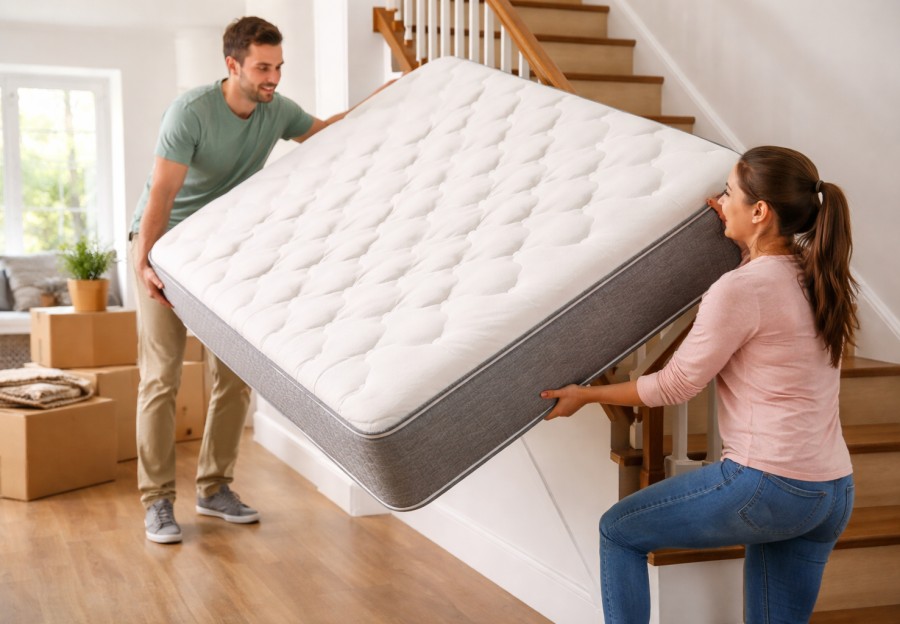
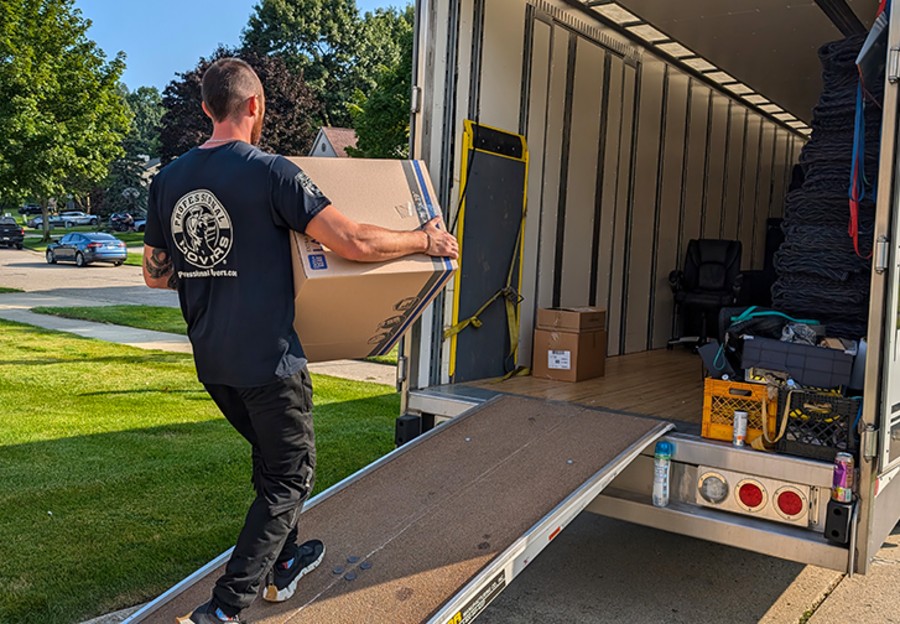
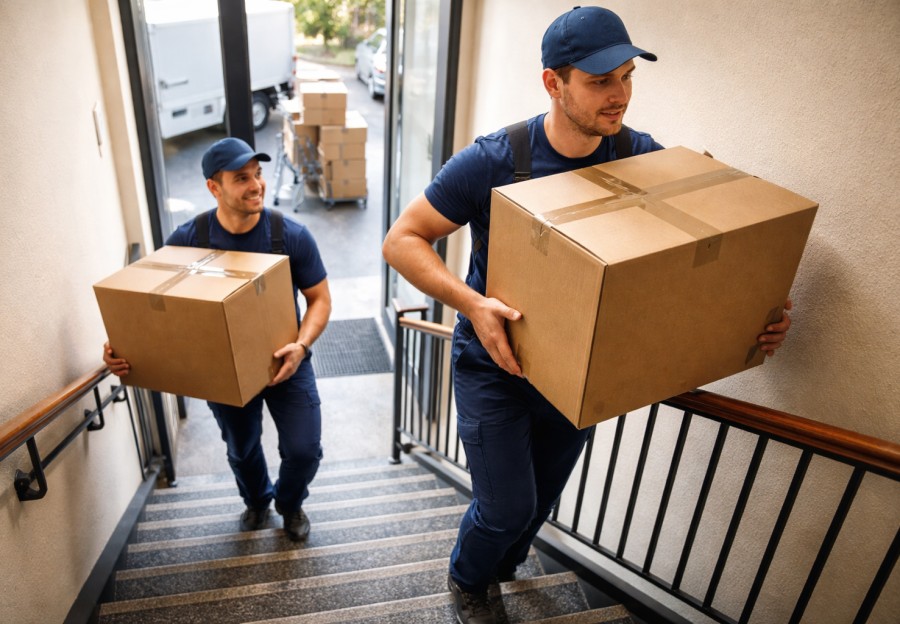
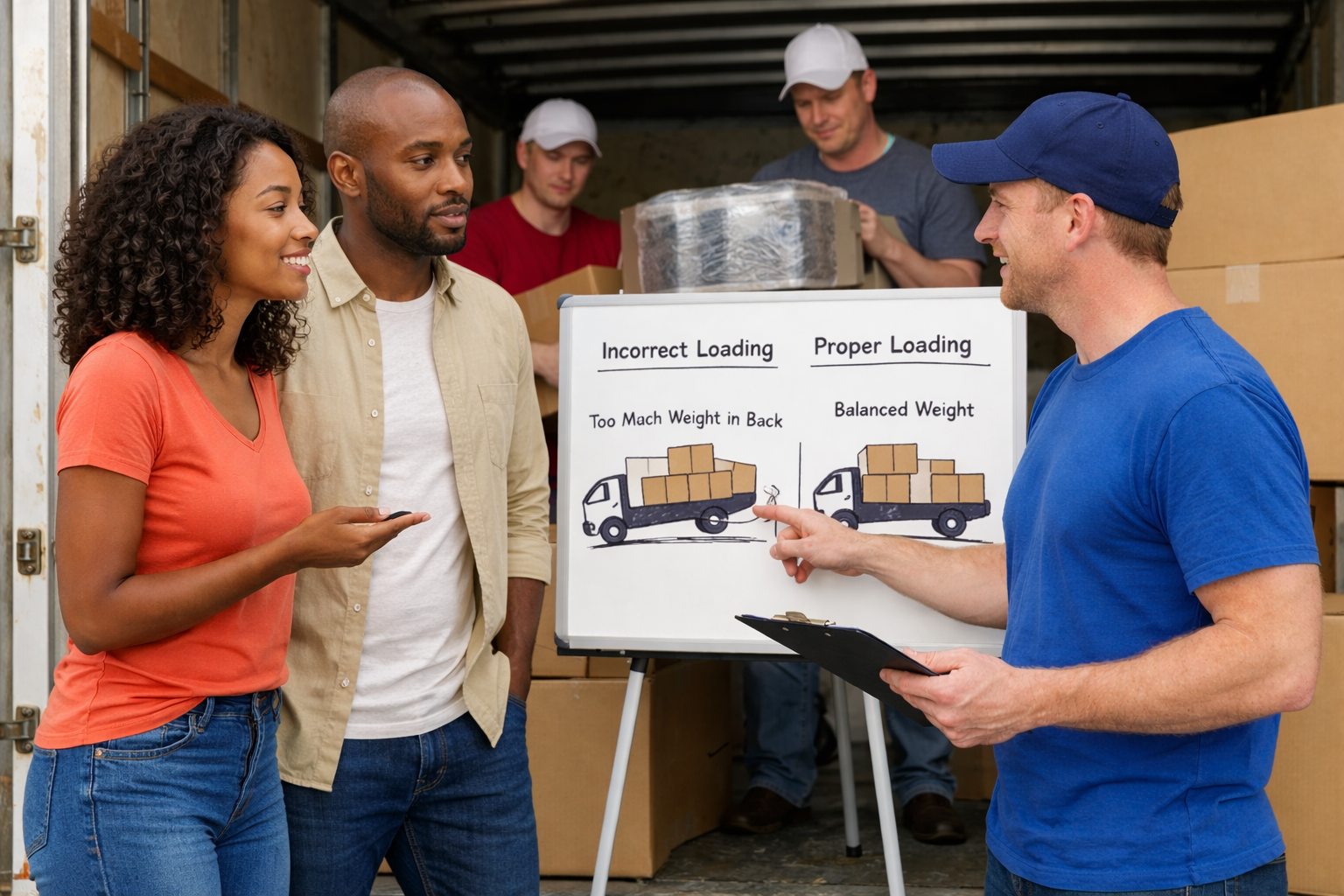
Weight management is something professionals think about constantly, and it is an area where homeowners often make mistakes. Heavy items should go in small boxes, while light items belong in large ones. Books are the classic example. A large box filled with books can easily weigh over fifty pounds, which increases the risk of injury and box failure. The Bureau of Labor Statistics reports that back injuries are among the most common injuries in moving and warehousing jobs, often caused by lifting overloaded boxes. Keeping boxes at a manageable weight protects movers and makes it easier to stack boxes safely in the truck.
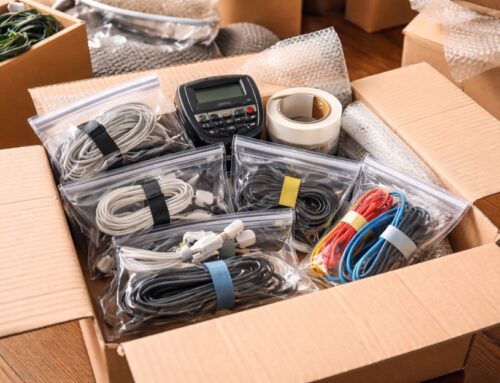
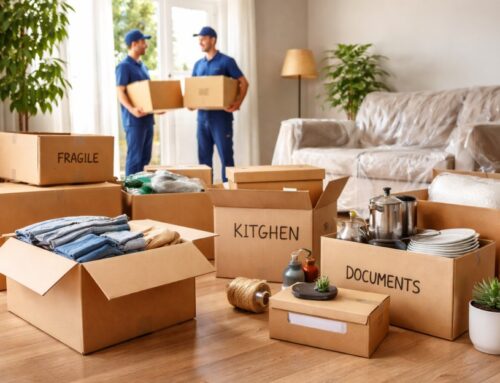
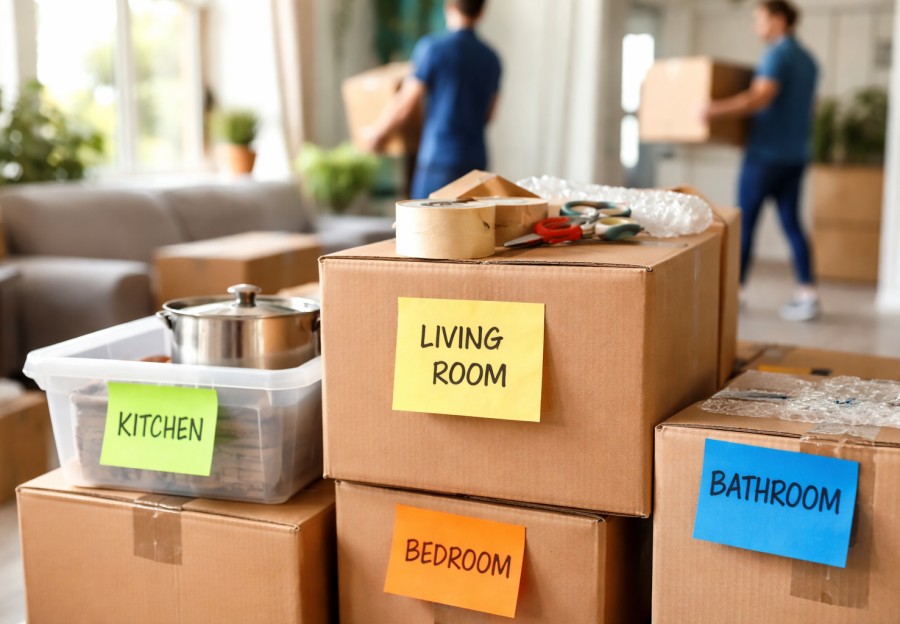
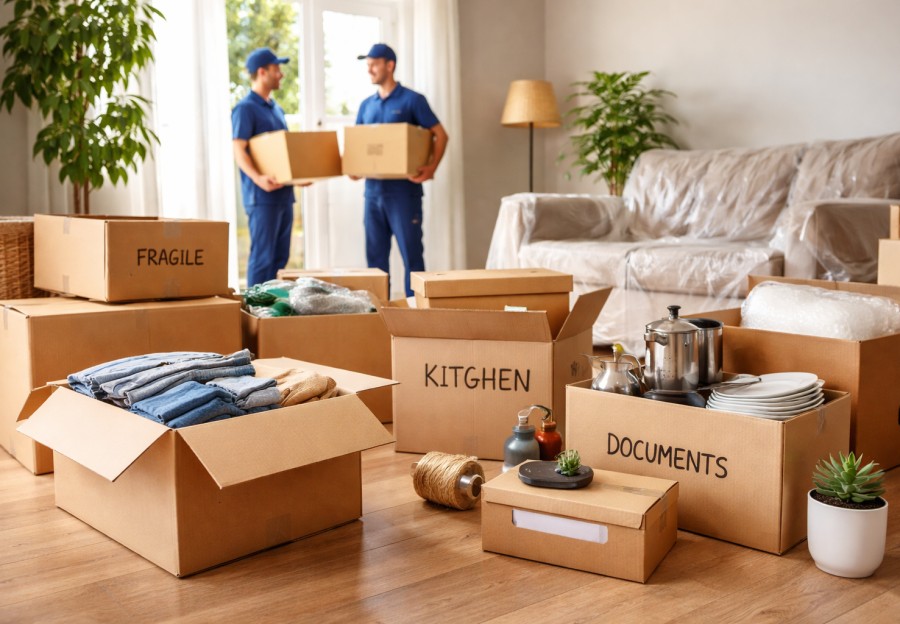
Labeling matters more than most people realize, but not in the way you might expect. Writing the room name is helpful, but movers also suggest adding a short note about what is inside, especially for fragile or high priority items. Boxes labeled kitchen essentials or office cables are far more likely to be placed where you need them first. Research on relocation stress shows that unpacking delays are a major contributor to post move anxiety. Knowing exactly where important items are can shorten the unpacking phase by days, not hours.
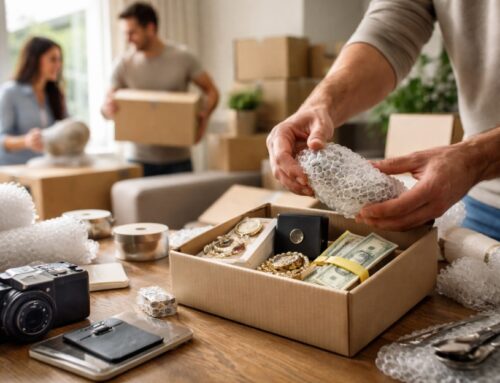
Professional movers also swear by creating a personal essentials box. This is not a suitcase, but a box that stays with you rather than going on the truck. It should include chargers, medications, important documents, basic tools, toilet paper, and a change of clothes. Surveys of recent movers show that nearly one in three people lose track of critical items on moving day. Having essentials set aside reduces the chance of digging through dozens of boxes late at night just to find a phone charger.
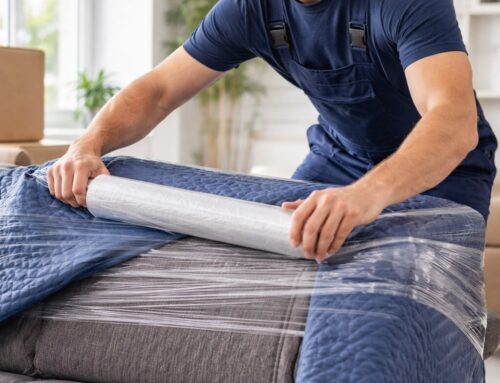
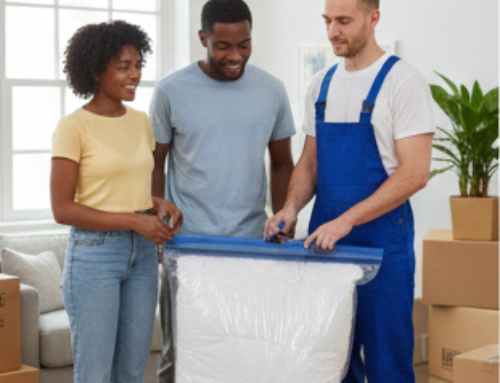
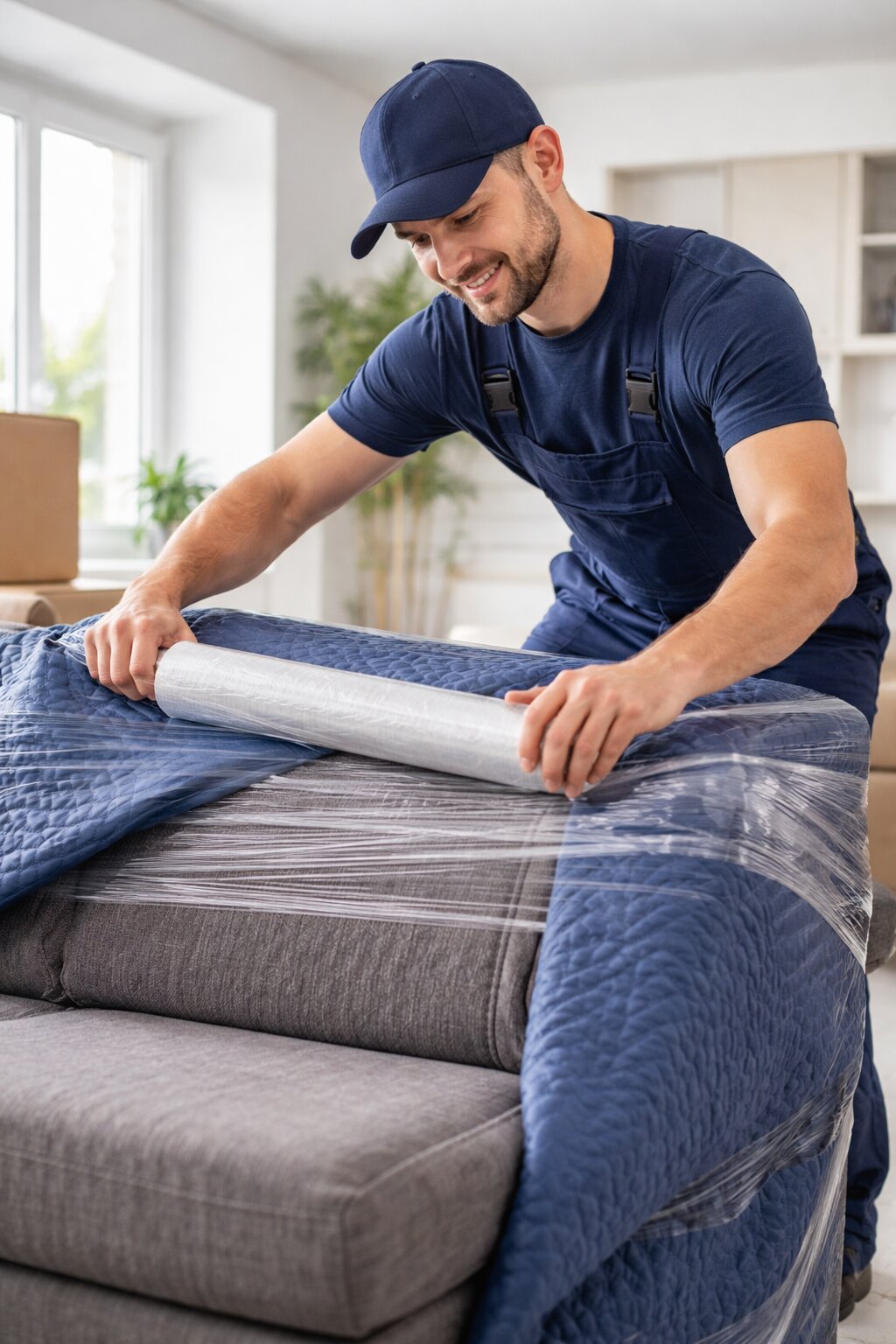
Another overlooked trick is packing drawers and cabinets strategically instead of emptying everything. Movers often leave lightweight items in dresser drawers and secure them with stretch wrap. This saves time and reduces the number of boxes needed. Industry estimates suggest that this approach can cut packing time for bedroom furniture by up to thirty percent. The key is knowing what can stay and what must be removed. Heavy or fragile items should still be boxed separately.
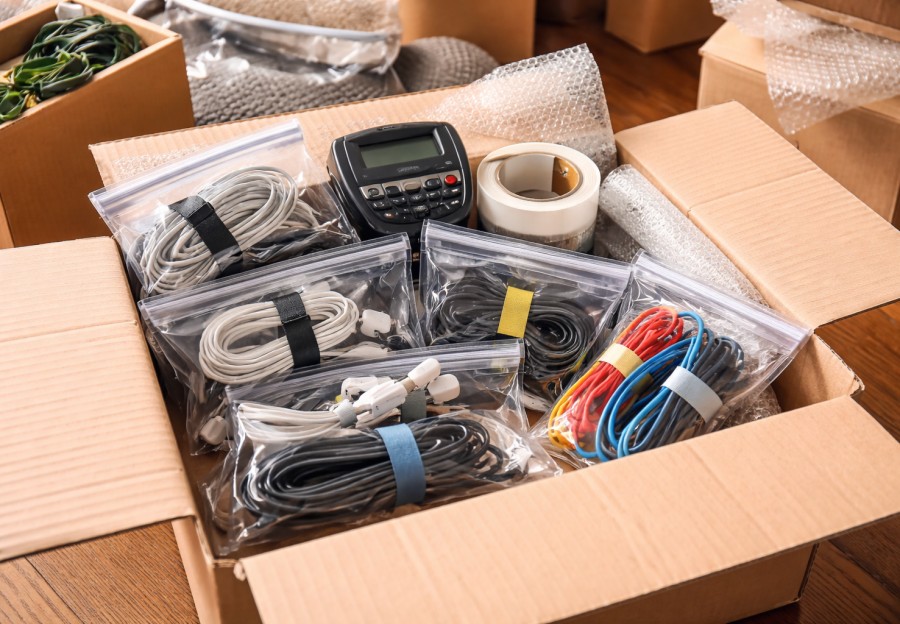
Finally, movers recommend taking photos before you pack up complex setups. Electronics, cable connections, and even the inside of packed boxes can be photographed. Visual records make reassembly much easier and reduce guesswork. A study on task completion found that visual references can improve accuracy by over forty percent compared to written notes alone. In a move, that translates to fewer mistakes and less frustration when setting up your new space.
Packing does not have to feel chaotic or overwhelming. The best packing hacks are not fancy or complicated. They are practical habits built on experience. When you pack with intention, manage weight, use what you already have, and think a step ahead, you make life easier for yourself and for the movers handling your belongings. That is the kind of preparation professionals notice, and it pays off long after the last box is unloaded.