
May 17, 2026
How to avoid misplacing high-value items
Losing a high value item during a move feels different than losing a sock or a coffee mug. Passports, jewelry, heirloom watches, external hard drives, legal papers, collectibles, and small electronics carry financial weight, emotional attachment, and sometimes legal consequences. Replacement is often expensive or impossible. According to consumer insurance data, personal item loss and misplacement make up a meaningful share of moving related claims and disputes, even when nothing was stolen. In many cases, the item was simply packed too early, placed in the wrong box, or separated from the person who needed it most.
Misplacement usually comes from three predictable causes. Rushed packing, poor visibility into what went where, and too many hands touching the same objects. Cognitive research shows that under time pressure, working memory accuracy drops sharply. When people pack late at night or while multitasking, they often forget exactly where critical items were placed. Stress further reduces recall accuracy, which explains why people sometimes swear an item vanished when it is actually buried safely in an unmarked box.
The first principle is control of custody. High value items should remain under your personal control for as long as possible rather than being mixed into general packing. Logistics security studies consistently show that the fewer transfer points an item passes through, the lower the probability of misplacement or damage. Every handoff increases risk of confusion, mislabeling, or accidental separation.
This does not mean waiting until the last minute to think about them. It means identifying them early and grouping them intentionally. Make a mental or written list of anything that would cause serious stress if it disappeared. This typically includes identification documents, financial records, prescription medications, backup drives, jewelry, collectibles, sentimental keepsakes, small cameras, and certain tools or instruments. Consumer behavior studies show that proactive categorization reduces decision fatigue later in the process.
Physical separation works better than symbolic importance. A labeled box marked important is still just another box in a sea of boxes. High value items should live in a dedicated container that stays with you rather than on the moving truck whenever practical. A backpack, locking briefcase, small carry on suitcase, or personal vehicle storage compartment provides continuous visibility and accountability. Travel security research shows that items kept in carry on control environments experience dramatically lower loss rates than items placed into shared transport systems.
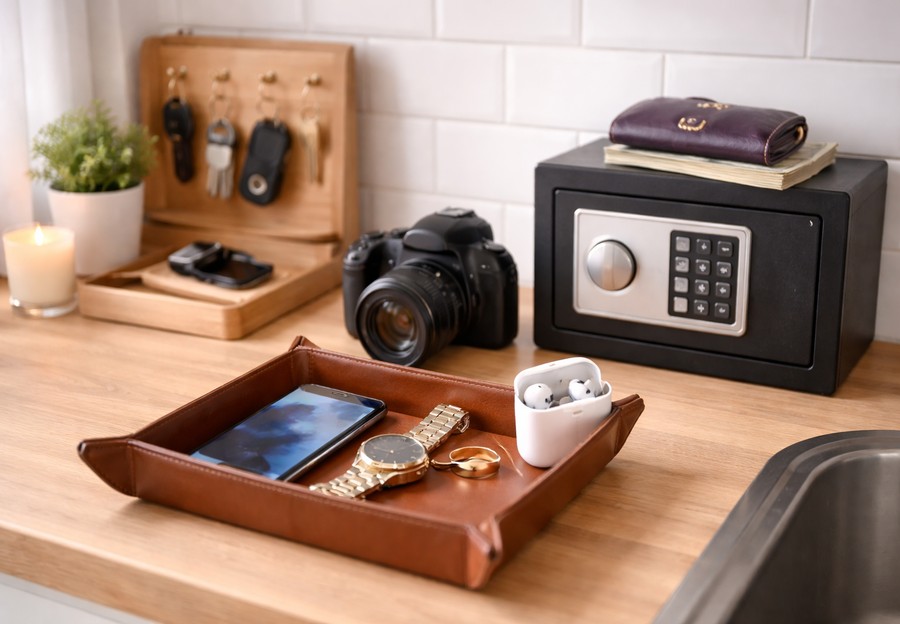
Size and weight matter. Many valuable items are small and dense, which makes them easy to misplace visually. Jewelry boxes, USB drives, and document folders disappear quickly inside larger boxes. Keeping these items in a single compact container reduces visual clutter and improves recall. Visual memory studies show that people track fewer unique locations more accurately than many scattered ones.
Documentation adds another layer of protection. Photographing high value items before packing creates a visual inventory that helps with both recall and insurance if something goes missing. Claims data shows that documented inventories improve resolution speed and reduce disputes. Even a quick phone photo album helps confirm what you packed and what remains outstanding.
Labeling strategy should focus on discretion rather than visibility. Marking a box expensive electronics or jewelry advertises its contents unnecessarily. Security studies consistently warn that obvious labeling increases theft risk in shared environments. Neutral labeling combined with personal custody keeps security higher.
Timing reduces risk as well. Pack high value items late in the process so they spend less time in transit or staging areas. Logistics exposure studies show that shorter exposure time lowers misplacement probability simply by reducing the number of handling events and environmental changes.
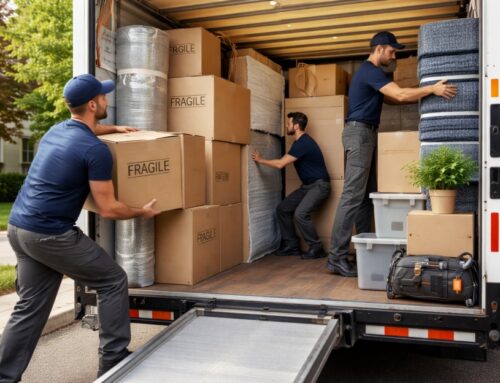
If movers are involved, clarify handling boundaries clearly. Professional movers typically advise customers to self transport valuables and irreplaceable documents. This reduces liability complexity and protects both sides. Insurance policy data often excludes or limits coverage for certain high value categories unless separately declared.
Avoid mixing high value items with everyday items that will be unpacked slowly. A passport placed inside a box of winter clothing may remain inaccessible for weeks. Task management research shows that delayed unpacking increases the chance of temporary loss perception and misplacement confusion.
Digital backups provide additional protection for certain categories. Scanning important documents and backing up external drives reduces impact if physical copies become delayed or damaged. Data protection studies consistently recommend redundant backups for critical information before major transitions.
Another common misplacement cause is repurposed containers. People often use empty shoe boxes, kitchen drawers, or random totes to stash valuables temporarily. Those containers then get packed accidentally by someone else. Human factors research shows that shared environments increase accidental relocation when ownership boundaries are unclear. Dedicated containers reduce this risk.
Communication matters in multi person households. Everyone should know where high value items are stored and who is responsible for them. Family systems research shows that ambiguity in responsibility increases error rates during complex tasks. A single point of ownership prevents duplicate handling and confusion.
Vehicle staging deserves attention. If you transport valuables in your car, avoid placing them loosely on seats or in the trunk where they may shift, slide under other items, or be forgotten during unloading. Use a consistent storage spot that remains unchanged throughout the trip. Consistency improves spatial recall according to cognitive mapping research.
Overnight stops introduce additional risk. If a move spans multiple days, never leave high value items unattended in a vehicle overnight when avoidable. Theft statistics show that parked vehicles remain a common target for opportunistic theft. Bringing the container indoors preserves control.
Hotels and temporary lodging also require discipline. Keep valuables in the same container and location rather than spreading items across drawers and surfaces. Travel security studies show that scatter increases forgotten item rates significantly.
Unpacking discipline protects against secondary loss. Designate a safe surface or drawer for valuables immediately upon arrival before general unpacking begins. Environmental psychology research shows that cluttered environments reduce object tracking accuracy and increase accidental misplacement.
Children and pets add complexity. Curious hands and playful movement increase the chance that small valuable items get relocated unintentionally. Injury and loss prevention data shows that secured storage reduces accidental access and displacement.
Insurance awareness reduces panic if something goes wrong. Know your policy coverage limits for jewelry, electronics, collectibles, and documents. Some items require separate riders for full coverage. Financial risk management studies show that clear coverage knowledge reduces stress and improves recovery decisions after loss.
Environmental stability matters for certain valuables. Extreme heat, cold, or humidity can damage electronics, documents, and collectibles even if they are not misplaced. Vehicle interior temperature studies show that closed vehicles can exceed outdoor temperatures by more than 20 degrees Celsius in direct sun. Keeping sensitive items in climate controlled environments protects function and value.
There is also a behavioral element tied to end of day fatigue. Many misplacements happen late at night when people rush to finish packing. Fatigue studies show that attention and memory accuracy decline significantly after prolonged physical and mental exertion. Saving high value item handling for a rested moment reduces error probability.
Minimalism helps more than people expect. The fewer items you own and move, the fewer opportunities exist for misplacement. Decluttering research consistently shows that reduced inventory improves organization accuracy and lowers cognitive load.
From a cost perspective, prevention pays quickly. Replacing passports involves government fees and processing delays. Replacing jewelry may be impossible. Data recovery can cost hundreds or thousands of dollars. Lost legal documents create administrative burden and potential legal risk. Preventive organization costs little by comparison.
Environmental impact also connects here. Replacing electronics and documents generates manufacturing and processing emissions. Sustainability studies consistently show that extending product lifespan and avoiding unnecessary replacement lowers environmental footprint.
Emotionally, losing a sentimental item during a move often creates lingering regret that overshadows the excitement of a new home. Behavioral research shows that losses tied to personal identity and memory produce stronger negative emotional impact than purely financial losses.
Short moves are not immune. Even local relocations involve multiple transitions between rooms, vehicles, and staging areas. Many losses occur within the same property when items get buried under boxes or mistaken for trash. Treat every move with the same discipline regardless of distance.
The core strategy stays consistent. Identify high value items early. Keep them physically separate. Maintain personal custody whenever possible. Use a dedicated container. Document contents. Limit handling transfers. Avoid obvious labeling. Communicate responsibility clearly. Protect from environmental extremes. Establish a safe unpacking location. Maintain consistency in storage.
Avoiding misplacement is not about paranoia. It is about respecting how human memory and attention behave under stress and designing simple systems that compensate for those limitations. When the system is clear, the process becomes calm rather than anxious.
Moving already stretches attention across dozens of tasks. Giving high value items special treatment reduces one major source of uncertainty. Instead of worrying whether something important disappeared, you know exactly where it is at every moment.
That confidence frees mental energy for more meaningful parts of settling into a new home. You unpack with clarity rather than fear. You sleep better knowing critical items are secure. You avoid emergency replacement tasks that derail momentum.
In the end, protecting high value items is not just about money. It is about protecting continuity, identity, and peace of mind during a period of major change. A few intentional habits turn a risky moment into a controlled transition, keeping what matters most exactly where it belongs.